
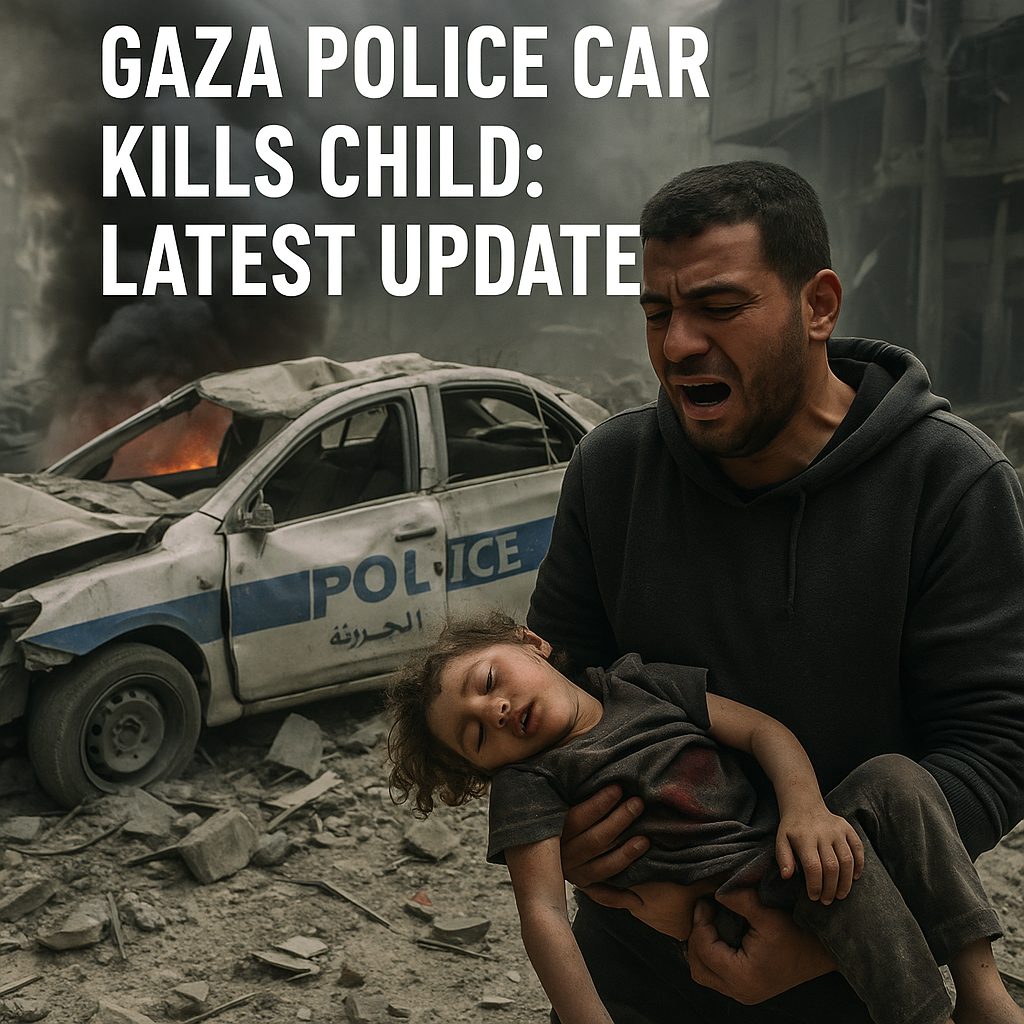
Israeli Strike on Gaza Police Car Kills Child: Latest Update

Israeli Strike on Gaza Police Car Kills Child: A Tragic Escalation
The recent Israeli strike on a Gaza police car has sent shockwaves through the region, leaving the community mourning the loss of innocent lives, including a child. This incident underscores the relentless cycle of violence that continues to affect both Israelis and Palestinians and reflects the deep-seated tensions at play.

Context of the Incident
On a day that started like any other for the residents of Gaza, an Israeli airstrike targeted a police vehicle, purportedly in response to alleged militant activities. Eyewitness accounts and reports indicate that this particular strike resulted in the death of a child, drawing international condemnation and sparking fierce debates over the ramifications of such military actions.


Reports from Al Jazeera highlighted that the Gaza Ministry of Health confirmed the loss, emphasizing the devastating impact on families already facing significant hardships due to the ongoing blockade and military operations. The police vehicle was reportedly unarmed and operated by local authorities, raising questions about the legality and morality of the attack.


Conversely, Israeli reports, including those from RT, suggest that the vehicle was used by Hamas operatives, stating that the strike was a necessary defensive measure against ongoing threats. These differing narratives illustrate the complexities and competing viewpoints surrounding military actions in the area.
Reactions and Implications
Following the strike, reactions poured in from around the globe. Human rights organizations condemned the attack, arguing that it violated international humanitarian law by disproportionately affecting civilians. Amnesty International called for an immediate investigation and accountability. Their statement stressed the need to prioritize the protection of innocent lives in any military engagement.
On the other hand, Israeli officials defended their actions as vital to national security. They argued that Hamas’s activities put both Israeli and Palestinian lives at risk, framing the strike as a necessary means to prevent future attacks. This narrative resonates with a portion of the Israeli public, who fear the resurgence of violent incidents.
The tragic loss of a child, however, complicates the narrative for both sides. For many in Gaza, the death has fueled outrage and despair, igniting protests that criticize the Israeli government’s military strategy. Social media platforms are alive with calls for accountability, with hashtags linked to the incident trending worldwide.
As tensions continue to escalate, the emphasis on the child’s death shifts the discussion from military strategies to human cost, reminding observers that behind geopolitical strategies, there are individuals and families who suffer.
The Broader Impact on the Israeli-Palestinian Conflict
This tragic incident acts as a microcosm of the larger Israeli-Palestinian conflict, highlighting the precarious balance between security and humanitarian considerations. Each military strike carries the potential for loss of life and has lasting repercussions, both emotionally and politically.
Moreover, the international community finds itself in a tight spot, with calls for a ceasefire often met with resistance from both sides. Diplomatic efforts to foster dialogue have struggled in the wake of such violence, and public sentiment often swings toward deeper polarization rather than reconciliation.
Moving forward, the enormity of the tragedy reminds us of the pressing need for a sustainable resolution to the conflict. Without addressing the root causes of violence, including blockades, poverty, and repression, tragic incidents like this will likely continue to occur.
Conclusion: Seeking Solutions Amidst Adversity
The recent Israeli strike on a Gaza police car that killed a child represents more than just another episode in a long list of violent confrontations; it embodies the urgent need for a reevaluation of tactics employed by both sides. As long as military engagements take precedence over dialogue and understanding, the cycle of violence will remain unbroken.
Engaging in open conversations regarding accountability, humanitarian needs, and security concerns labels the broader implications of such actions while highlighting the necessity for a peace-driven approach. Only through empathy and dialogue can the region begin to heal from its complex wounds and work toward a more hopeful future.
In voicing concerns about human rights, it is crucial to recognize that each casualty impacts many lives, underscoring the need for holistic approaches to conflicts that prioritize peace over power. The outcry following this tragic loss should catalyze renewed efforts towards lasting resolutions in the Israeli-Palestinian conflict, turning sorrow into purposeful action for change.















