Journalists Ordered to Testify on Trump Air Force One Leak

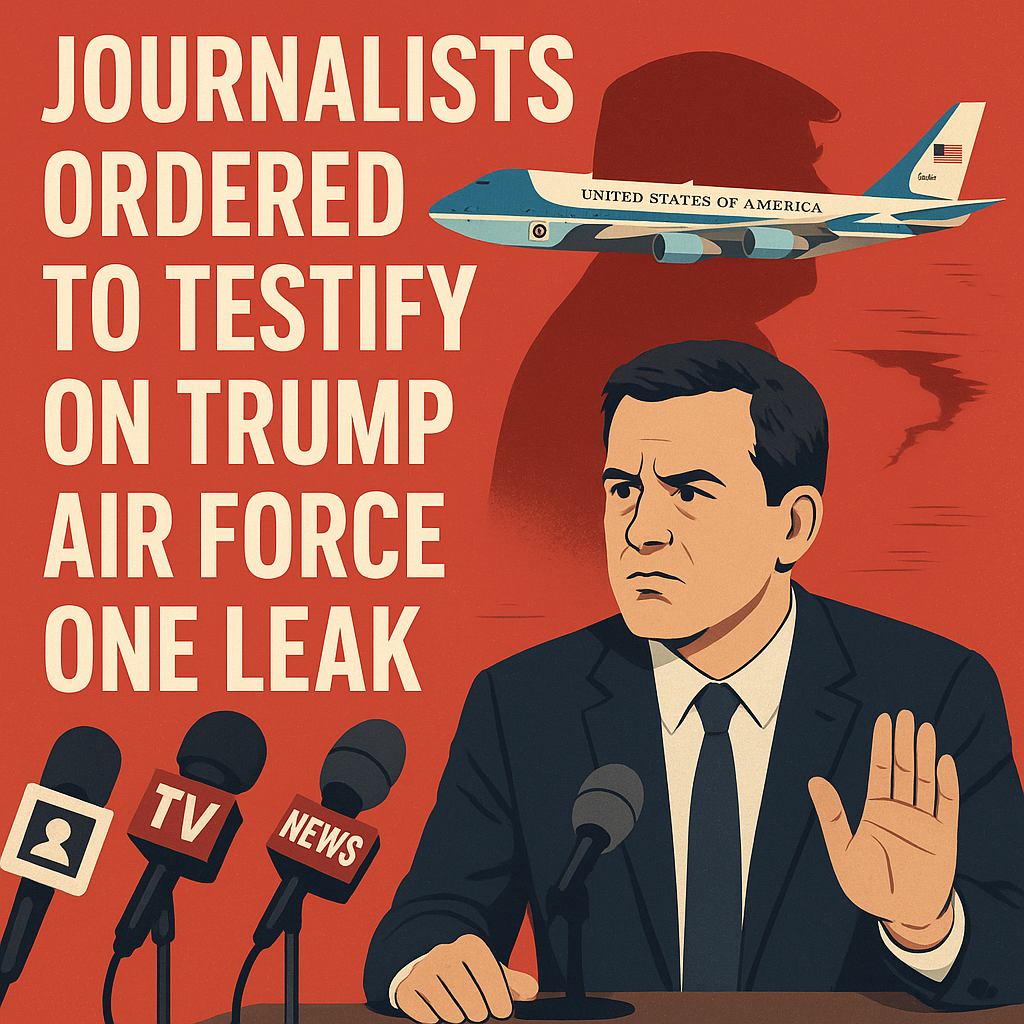
In a significant development recently, journalists have been ordered to testify regarding a leak involving Donald Trump’s Air Force One flight. This situation raises critical questions about journalistic integrity, the role of the press in political matters, and the boundaries of confidential sources.

The Context of the Leak
The controversy stems from a leak related to Trump’s 2017 flight on a jet gifted by the Qatari government, which reportedly involved discussions about sensitive diplomatic issues. According to various sources, the New York Times journalists who reported on this story have now been subpoenaed to provide testimony regarding their sources and the information that was disseminated. This move has stirred a mix of concern and criticism within journalistic circles and beyond.


Diverse Perspectives on Press Freedom
The direction taken by the courts in compelling journalists to testify has drawn contrasting opinions from legal experts and advocacy groups. Proponents of press freedom, including organizations like the Reporters Committee for Freedom of the Press, assert that such legal maneuvers threaten the foundational principles of journalism, specifically the protection of sources. They argue that the ability to shield confidential information is crucial for investigative reporting, especially on subjects as sensitive as governmental actions and international relations.


On the other side are those who believe that accountability is paramount, particularly in cases involving potential breaches of national security or ethical guidelines in government conduct. Some legal analysts suggest that the courts may view such subpoenas as necessary to ensure transparency and proper oversight of public officials. This perspective frames the journalists’ testimonies not as an infringement on press freedoms but as a means to affirm the rule of law.
The Impact on Journalism
The ramifications of this incident extend beyond the immediate case. If journalists are routinely compelled to reveal their sources, it could create a chilling effect on whistleblowers and informants who provide crucial information to the press. This situation may discourage individuals from coming forward for fear of legal repercussions, thereby undermining the journalistic process.
Conversely, the legal requests may also set a precedent for how journalists handle sensitive information going forward. Reporters may need to be more vigilant in safeguarding their sources and critically evaluate the risks involved in their reporting. This balancing act—between reporting significant stories and protecting anonymous sources—could redefine journalistic practices in this politically charged era.
The Role of Transparency in Governance
Transparency is often touted as a cornerstone of democratic governance. The act of compelling journalists to testify highlights a crucial tension: the need for governmental accountability versus the necessity of a functioning, independent press. Critics argue that while transparency is vital, it should not come at the cost of compromising journalistic independence.
This legal demand also significantly influences public perception. If people see the media being pressured into revealing their sources, it may lead to distrust in both the press and government institutions. Some articles emphasize the broader chilling effects this situation could have on public discourse and the press’s ability to investigate matters of public interest critically.
Looking Forward
As this case unfolds, it will likely draw broader attention from various stakeholders, from lawmakers and legal scholars to advocacy groups and the general public. The delicate balance between ensuring governmental accountability and preserving journalistic integrity will be tested.
The outcome of this subpoena may not only shape the future of press freedom in the short term but also influence how future journalists approach sensitive stories. The intertwining of law, ethics, and journalistic responsibility makes this a compelling topic that calls for continuous scrutiny.
In conclusion, the order for journalists to testify about the Trump Air Force One leak encapsulates the ongoing conflict between press freedoms and governmental accountability. The nuanced outcomes of such cases will matter significantly, shaping the media landscape for years to come. As conversations continue, it is essential to acknowledge both the role of the media in preserving democracy and the necessity for transparency in governance.