
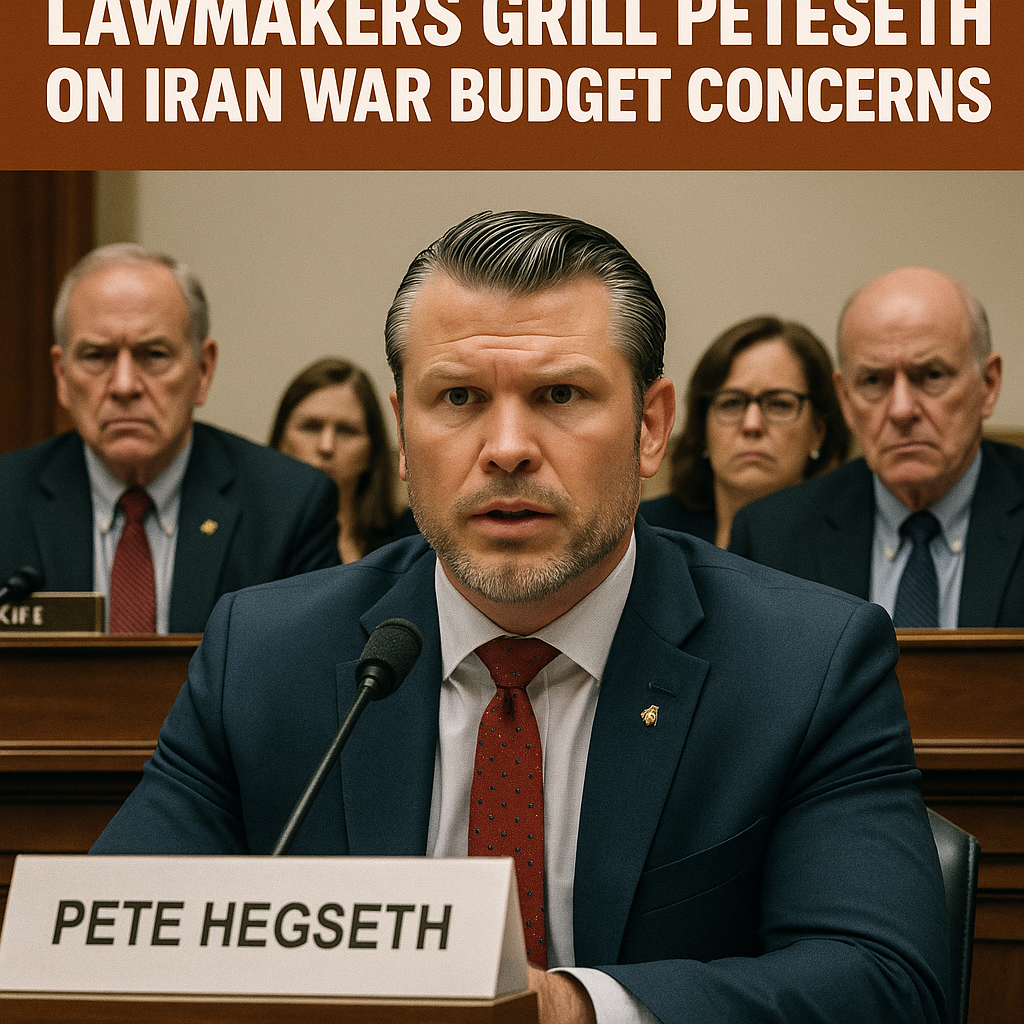
Lawmakers Grill Pete Hegseth on Iran War Budget Concerns

Lawmakers Grill Pete Hegseth on Iran War Budget Concerns
In recent congressional hearings, U.S. lawmakers directed pointed questions at Fox News host Pete Hegseth regarding the proposed budget for a potential war with Iran. As tensions continue to escalate in the region, the financial implications of military action against Iran are drawing greater scrutiny from both sides of the political aisle.

Context of the Iranian Conflict
The backdrop for these hearings involves ongoing tensions between the United States and Iran, particularly surrounding nuclear developments and regional influence. The Iranian nuclear program has prompted fears in Washington and allied nations that Tehran is moving closer to developing nuclear capabilities. Proponents of a robust military budget argue that preparedness is vital in responding to potential threats, while critics emphasize the need for diplomatic solutions and caution against military entanglements.


Lawmakers’ Concerns
During the hearings, several lawmakers expressed frustration with the proposed budget’s lack of transparency. They questioned whether sufficient consideration had been given to the consequences of military action. Representative Alexandria Ocasio-Cortez raised concerns about the broader humanitarian implications of escalating military involvement, echoing sentiments found in various news outlets.


Conversely, some representatives argued that an aggressive stance against Iran is essential for maintaining U.S. interests in the Middle East. They highlighted Iran’s support for groups such as Hezbollah and its role in destabilizing the region as justifications for increased defense spending. This division among lawmakers reflects a larger national debate about military versus diplomatic strategies for dealing with adversaries.
Diverging Perspectives on Military Spending
The budget discussions reflect deeper ideological divides regarding the military-industrial complex and government spending. Proponents of increased defense budgets cite national security as a primary concern, insisting that failure to prepare for conflict leaves the U.S. vulnerable. On the other hand, critics argue that funds could be better allocated to address domestic issues, such as healthcare, education, and infrastructure, which could bolster U.S. security by strengthening the home front.
According to analysis from Al Jazeera, some experts warn that a military-focused budget without strong diplomatic channels could lead to unintended escalation and exacerbate tensions with Iran. Meanwhile, they suggest that investing in diplomacy might lead to more effective long-term solutions that avoid the costly consequences of war.
The Role of Media and Public Opinion
Media narratives play a significant role in shaping public opinion on military engagements. As such, analysis and commentary from figures like Hegseth may sway both lawmakers and the American public. Hegseth’s appearances often emphasize a hardline stance, seeking to galvanize support for military action. This approach could align with certain lawmakers’ push for increased defense funding, potentially creating an echo chamber where aggressive action becomes a more palatable option.
However, public sentiment appears increasingly skeptical of war, especially in light of the drawn-out conflicts in Iraq and Afghanistan. Polls indicate that many Americans prefer diplomatic solutions over military intervention, reflecting a broader war-weariness and a desire to reassess U.S. involvement in foreign conflicts.
Navigating Uncertainty
While there are compelling arguments on both sides regarding the need for a robust budget for potential military action against Iran, significant uncertainties remain. Economists warn of the long-term financial implications of a large military spending increase, particularly as the U.S. grapples with domestic challenges exacerbated by the COVID-19 pandemic.
As lawmakers debate these issues, constituents will be watching closely, weighing the risks of military engagement against the prospect of diplomatic resolution. The complexity of the situation suggests that any financial decision made today will reverberate for years to come, affecting both international relations and domestic policy.
Conclusion: A Call for More Thoughtful Dialogue
As discussions surrounding the budget for a potential war with Iran evolve, it is essential for lawmakers and the public alike to engage in thoughtful dialogue that weighs the multitude of perspectives. While there may be justifications for a bolstered military budget, understanding the full context—including historical precedents, potential consequences, and alternative strategies—will be crucial for crafting a responsible and effective response to the ongoing crisis.
Ultimately, as this budget proposal unfolds, the hope remains that it will signal the U.S.’s commitment to not just military readiness but to a more nuanced and diplomatic approach toward resolving conflicts that have plagued the nation for decades. Attention to both the sentiments of the lawmakers and the voices of citizens will guide the discourse toward solutions that reinforce peace over conflict.















