Lebanon’s Ongoing Struggle in the Israel-Iran Conflict

Lebanon’s Ongoing Struggle in the Israel-Iran Conflict
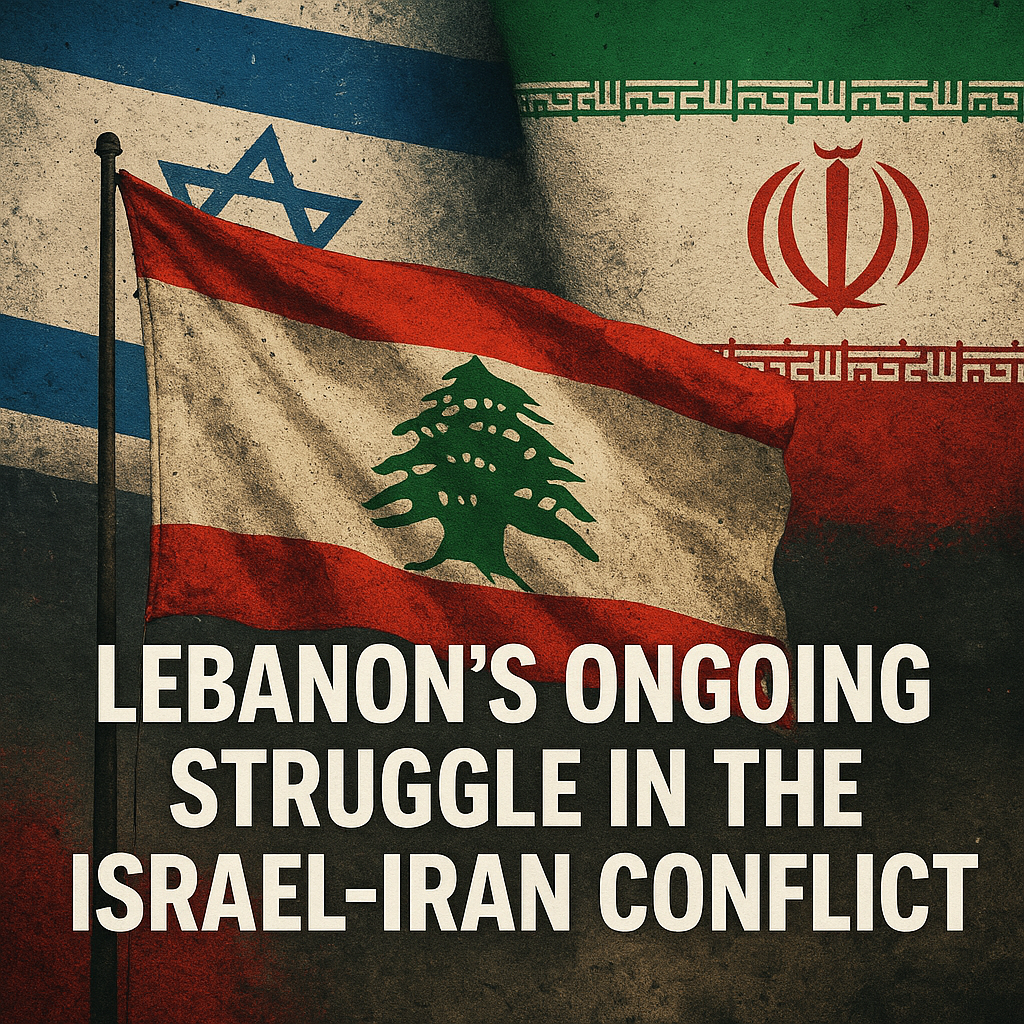
Lebanon finds itself embroiled in a complex web of alliances and enmities that extends far beyond its borders, particularly in the context of the Israel-Iran conflict. With tensions escalating and diplomatic relations in a precarious state, Lebanon plays a critical role in regional dynamics shaped by historical animosities and newer geopolitical gamesmanship.

Lebanon’s Position Within the Regional Landscape
Lebanon’s position is heavily influenced by its intricate ties with both Israel and Iran. The Lebanese militant group Hezbollah has been a significant player in this theatre, acting as a proxy for Iranian interests in the region while also taking direct confrontations with Israeli forces. Hezbollah’s military strength and political clout in Lebanon give it both a deterrent and a provocative role against Israel, which is acutely aware of its capabilities.


Recent reports underscore the precariousness Lebanon faces, especially amid Iran’s unwavering support for Hezbollah. According to multiple sources, the financial strife plaguing Lebanon complicates its already turbulent political landscape, causing domestic unrest. This instability can be attributed to not just local governance failures but also to the broader geopolitical mountains that Lebanon must navigate. A recent Al Jazeera report highlights that “the country is struggling with economic collapse, which hampers its ability to respond effectively to external pressures.”


In contrast, some analysts from RT argue that Lebanon could still leverage its strategic position as a mediator, given the rise of talks between the U.S. and Iran regarding nuclear agreements and sanctions. “Lebanon could emerge as a neutral zone,” one viewpoint suggests, emphasizing the importance of dialogue over military confrontation.
The Interplay of Local and Global Dynamics
The dynamics in Lebanon are further complicated by various local factions and international players. The Lebanon-Israel border remains tense, with sporadic clashes and skirmishes occurring, often instigated by Hezbollah’s actions. Recent incidents have reflected the volatility of this situation. For instance, Israel’s airstrikes targeting Hezbollah positions signify its immediate concern regarding Iran’s influence extending through Lebanon. Sky News reported that “Israel has intensified its operations against Hezbollah, citing Iranian entrenchment as a primary factor in its defense strategy.”
However, the repercussions of these military actions often reverberate within Lebanese society itself. As Hezbollah maintains its influence, other political factions are increasingly wary of its overreach, fearing that Lebanon may become a battlefield in the broader Iran-Israel contest. The complex social fabric of Lebanon, which includes various ethnic and religious groups, means that any military escalation could spiral into a civil crisis akin to the Lebanese Civil War, a possibility acknowledged by many observers.
Regional Reactions and the Future
Reactions to Lebanon’s evolving role in the Israel-Iran conflict vary widely among regional actors. Countries like Saudi Arabia and the Gulf States remain staunch opponents of Iranian influence in Lebanon, aligning themselves with Israel’s objectives to weaken Hezbollah. This unyielding stance fuels further tensions and diplomacy deadlocks, given that these nations have their vested interests tied to countering Iran’s reach.
On the other hand, some experts argue that the complexities of this geopolitical fabric create opportunities for Lebanon to emerge as a focal point for dialogue rather than conflict. In light of shifting alliances within the region, discussions about enhancing Lebanon’s sovereignty must include international stakeholders. Engaging with external powers could provide Lebanon with a buffer against foreign interventions while fostering a more stable internal environment.
Conclusion: Navigating Uncertainty in a Tumultuous Landscape
The ongoing struggle of Lebanon within the Israel-Iran conflict is a testament to the country’s multifaceted challenges entwined with regional power politics. With Hezbollah’s significant role complicating Lebanon’s internal and external relations, the prospects for a peaceful resolution remain uncertain. While some viewpoints suggest the potential for Lebanon as a neutral mediator in the evolving geopolitical chess game, the ground realities tell a more complex story riddled with economic hardship, regional influences, and a fragile societal balance.
As Lebanon navigates this tumultuous landscape, the lack of consensus among local and international actors raises critical questions. Will Lebanon assert its sovereignty, or will it remain a pawn in the larger game of regional geopolitics? The answers may not come easily, and the path ahead remains fraught with challenges that demand thoughtful engagement and nuanced strategies.