
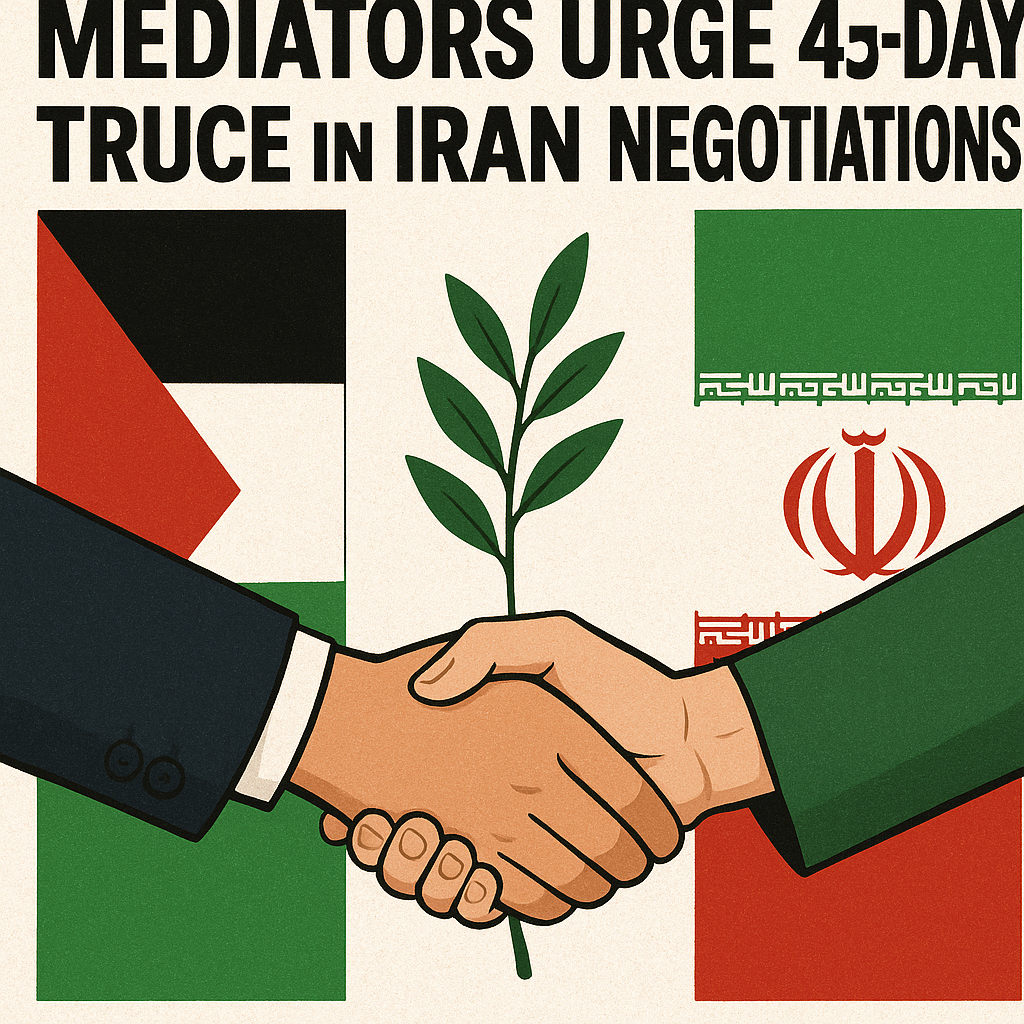
Mediators Urge 45-Day Truce in Iran War Negotiations

Mediators Urge 45-Day Truce in Iran War Negotiations
In the ongoing complexities of international diplomacy, mediators are calling for a 45-day truce in negotiations regarding the longstanding conflict involving Iran. The urgency behind this truce highlights the delicate balancing act nations must navigate when engaging in talks that not only affect regional stability but also global geopolitics.

The Context of the Negotiations
The recent proposal for a truce comes amidst heightened tensions in the Middle East, particularly regarding Iran’s nuclear ambitions and its influence over various proxy groups across the region. As articulated by diplomats from several nations, including those involved in the Joint Comprehensive Plan of Action (JCPOA), a ceasefire is considered essential to create a conducive environment for meaningful discussions.


According to multiple reports, mediators, including representatives from the U.S. and other global powers, argue that a temporary cessation of hostilities could facilitate a re-engagement in negotiations aimed at curbing Iran’s nuclear activities. A key element of this approach is understanding Iran’s security concerns while also addressing the apprehensions of neighboring countries, particularly in light of the Islamic Republic’s missile program and its support for groups like Hezbollah and the Houthis.


Diverse Perspectives on the Truce
While the call for a 45-day truce has been supported by some, it has met with skepticism from others involved in the negotiations.
1. Support for the Truce: Diplomatic Optimism
– Proponents of the truce believe it offers a necessary pause that could lead to a breakthrough in discussions. They emphasize that without a ceasefire, the risk of escalation could derail the delicate progress made thus far.
– As highlighted in reports, some diplomats have asserted that past negotiations have been derailed by ongoing conflicts; hence, this truce could not only provide relief but also build trust among negotiating parties.
2. Skepticism and Concerns: Voices of Caution
– Conversely, others express concern about the effectiveness of a temporary truce. Critics argue that Iran has historically used pauses in negotiations to advance its strategic goals without significant concessions.
– Some Iranian officials have underscored that any agreement necessitates recognition of Iran’s sovereignty and the lifting of harsh economic sanctions that have battered its economy. They believe that a mere truce devoid of substantive negotiations might lead to a stalemate rather than progress.
The Path Forward: Uncertainties Linger
Despite the differing points of view, the consensus lies in the fact that a truce, if agreed upon, is only one step in a multifaceted negotiation process. It remains unclear whether the proposed 45-day window will be sufficient to generate the momentum needed for substantive advancements or whether it could simply serve as a temporary respite without lasting agreements.
While the mediators’ call for a truce signifies a recognition of the need for dialogue, it is also a reminder of the complexities surrounding international negotiations. Weighing the varied positions highlights the intricate web of geopolitical interests at play—ranging from nuclear capabilities to regional power dynamics and economic repercussions.
Hoping for Constructive Dialogue
As discussions continue, the world watches closely. The outcome of these negotiations will not only shape the future of Iran but also influence various global strategic alliances and the stability of the broader Middle East. A successful truce could pave the way for more comprehensive dialogue, but it requires good faith efforts from all parties involved.
The negotiations now hinge on the ability of the mediators to foster an environment where all voices are heard and respected, with an understanding that lasting peace ultimately requires more than just temporary agreements—it necessitates a commitment to resolving underlying issues through constructive dialogue and cooperation.
In conclusion, as mediators advocate for a 45-day truce, the pressing need remains: how to transform this proposal into a substantial dialogue that addresses the multifaceted concerns surrounding Iran’s role on the global stage. The stakes are high, and so are the hopes for a renewed commitment to peace and stability in a region often characterized by turbulence and discord.















