Moscow Honors Foreigners for Boosting Russia’s Growth

Moscow Honors Foreigners for Boosting Russia’s Growth
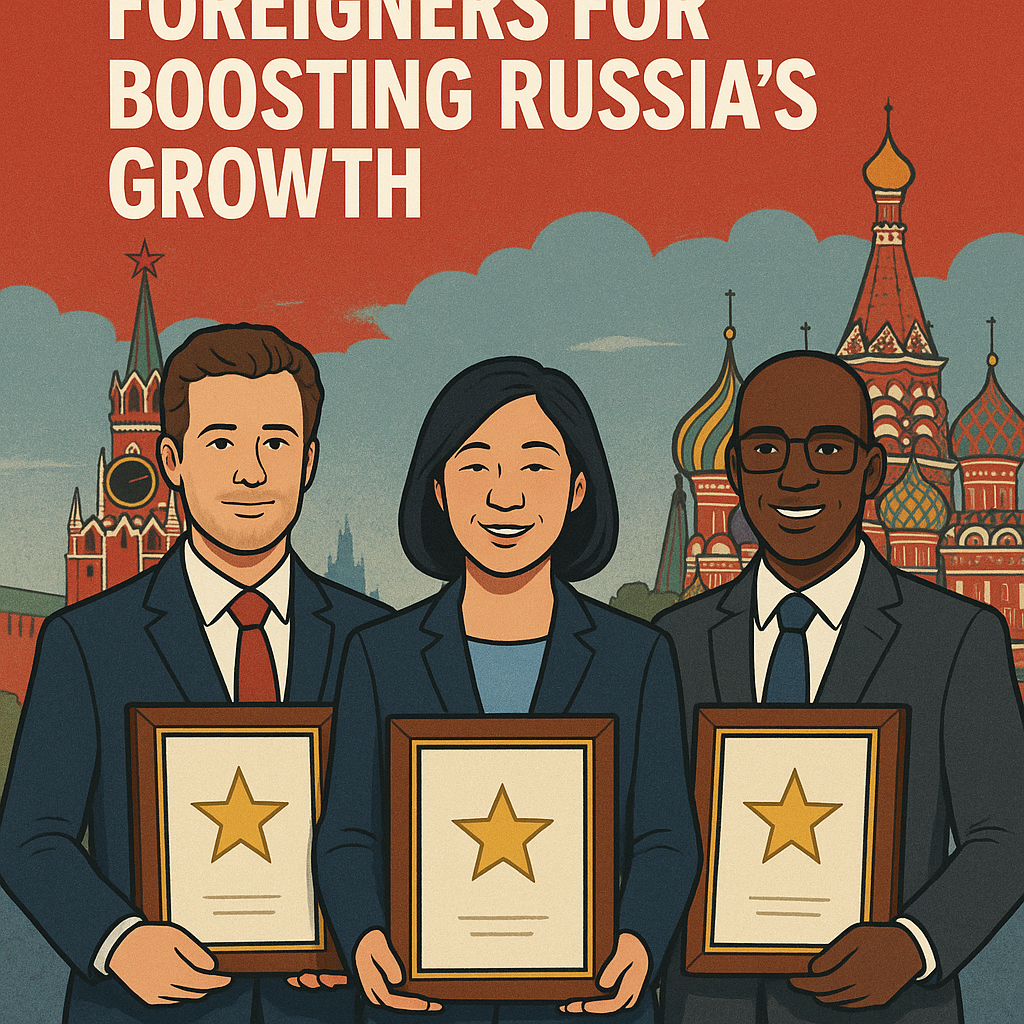
In a notable gesture aimed at fostering international goodwill, Moscow has celebrated the contributions of foreign professionals in an effort to showcase their role in stimulating the Russian economy. This recognition underscores a complex relationship between Russia and the global community, particularly amid ongoing geopolitical tensions.

Celebrating Contributions
This year’s recognition ceremony in Moscow highlighted several key individuals from different countries who have impacted various sectors, from technology to infrastructure, while working within Russia. According to reports, those honored include individuals who have led significant projects that align with the Kremlin’s strategic economic goals. As articulated by Russian officials, this acknowledgment serves not only to reward individual achievements but also to promote a narrative of openness and collaboration amid isolationist policies driven by sanctions.


Supporters of this initiative point out that foreign talent has been crucial in areas like information technology and engineering, where local expertise has often lagged behind the requirements of modern industries. Russian economic analysts suggest that boosting collaboration with foreigners could be a key strategy to mitigate the negative impacts of sanctions imposed by Western countries. In this context, the celebration of these foreign contributors reflects a pragmatic approach by the Russian government to enhance its economic resilience.


Diverging Perspectives
However, the recognition has not been without controversy. Critics argue that while it is essential to acknowledge the achievements of foreign professionals, it speaks volumes about Russia’s dependency on foreign expertise, particularly in sectors where Russia’s own educational and development pathways are perceived to be insufficient. Observers note that this dependence may raise questions about the long-term viability of such contributions in an environment fraught with distrust and tension.
From a broader perspective, the sentiments surrounding this acknowledgment are mixed. On one hand, proponents argue that the initiative can potentially soften international perceptions of Russia, demonstrating that the country is willing to engage with the global community. On the other hand, skeptics posit that this initiative is merely a façade to distract from the systemic issues plaguing the Russian economy, which has had to navigate through both sanctions and a shift away from Western investment and technology.
Strategic Implications
The motives behind the honors granted to foreign specialists might also be intertwined with Russia’s long-term strategic objectives. By endorsing foreign contributions, the Kremlin could be signaling to potential business partners that collaboration is still welcome, despite the icy relations with many Western nations. The acknowledgment might also serve to attract further foreign investments, highlighting a narrative of opportunity rather than isolation.
Yet, the sustainability of this approach remains debatable. A growing body of analysts contends that unless underlying systemic challenges are addressed—such as bureaucratic hurdles, corruption, and an unstable legal environment—the benefits derived from foreign talent and investment may be short-lived. Furthermore, the geopolitical landscape remains highly volatile, which could deter potential investors who weigh the risks of engaging with a country increasingly viewed as adversarial.
Conclusion
Ultimately, Moscow’s celebration of foreign professionals shines a light on the evolving dynamics in Russia’s economic landscape. While it presents an opportunity for fostering collaboration and innovation, the long-term impacts of these acknowledgments should be critically examined within the broader context of Russia’s geopolitical strategy and economic realities. With varied responses from both supporters and critics, it remains to be seen how these gestures will translate into sustainable growth and international relationships in a rapidly changing world.