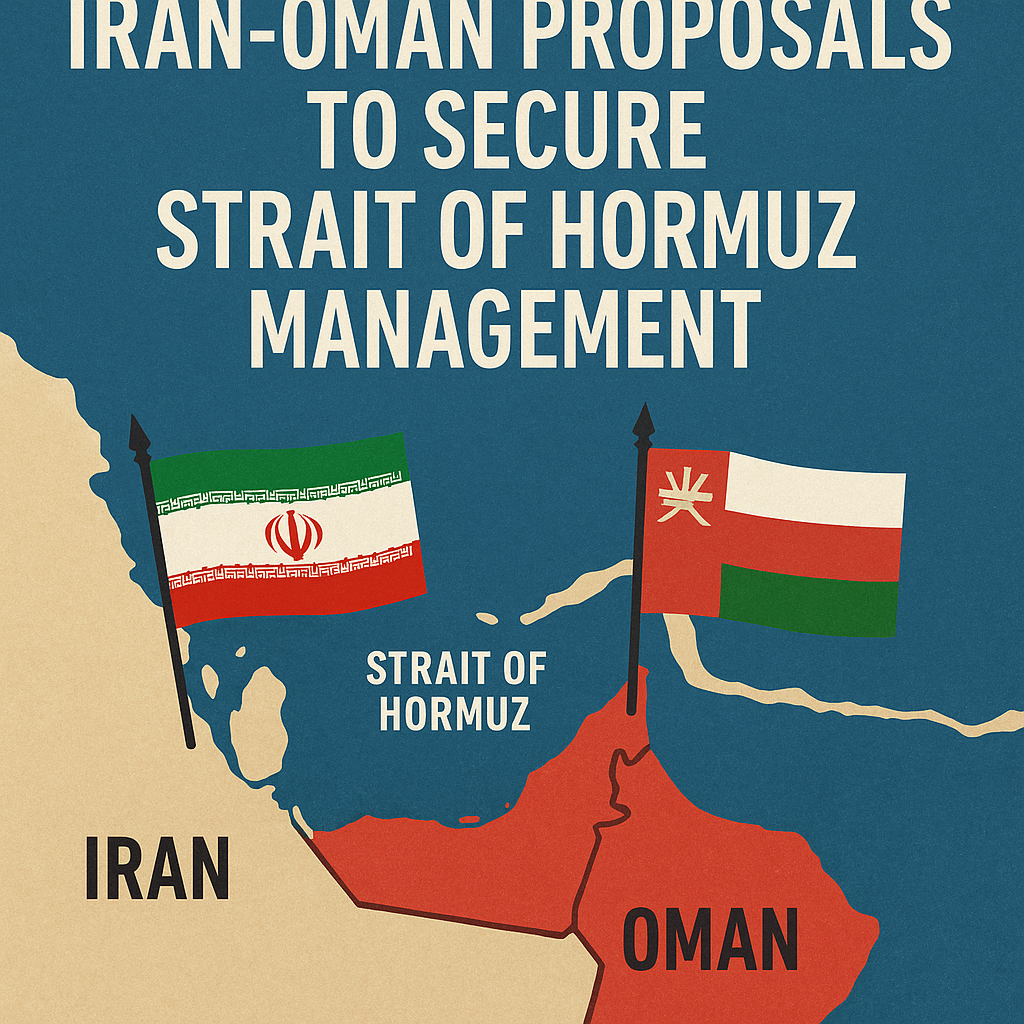
Iran-Oman Proposals to Secure Strait of Hormuz Management
Iran-Oman Proposals to Secure Strait of Hormuz Management
The Strait of Hormuz, a strategically vital waterway, plays a critical role in global energy supply chains, as nearly 20% of the world’s oil passes through this narrow passage. In recent discussions, Iran and Oman have put forth collaborative proposals aimed at securing better management and safety protocols for this crucial region.

Understanding the Proposals
The recent proposal exchange follows a longstanding history of cooperation between Iran and Oman, particularly concerning maritime security. Al Jazeera reported that the two nations are focusing on creating a more stable environment in the Strait to reduce tensions and prevent potential military confrontations. Iran’s leadership has emphasized the importance of regional stakeholders in maintaining security, suggesting that outside intervention could exacerbate existing frictions.

Omani officials have echoed this sentiment, underlining the need for dialogue rather than military posturing. This initiative could pave the way for new security frameworks, enhancing not only Oman’s but also Iran’s interests in the region. Both countries seem to be advocating for a multilateral approach, involving neighboring states in the management of key maritime routes.

Diverse Perspectives on Regional Security
The proposals from Iran and Oman have received mixed responses from different viewpoints in the region and beyond. On one hand, proponents advocate that these collaborations could lead to a decrease in escalatory measures, allowing for a more united front in facing external threats. This perspective is particularly strong among nations that perceive increased military presence from Western powers as a risk to their sovereignty.
Conversely, some analysts express skepticism regarding the effectiveness of such bilateral agreements. Reports suggest that while Iran and Oman urge for diplomatic solutions, factors such as regional rivalries, particularly with Saudi Arabia and the United States, could pose significant hurdles. A commentator from RT noted that without comprehensive involvement from wider regional powers, including those traditionally opposed to Iran, the proposals may lack the essential support needed to be fully implemented.
The Balancing Act of Cooperation
Oman’s unique position as a mediator in Middle Eastern conflicts provides it with a diplomatic edge. By facilitating talks between Iran and its neighbors, Oman serves as a crucial intermediary. However, any successful agreement would require that all parties acknowledge their vulnerabilities and work collaboratively, which, at present, seems challenging given the geopolitical complexities.
The proposed management strategies could include joint naval patrols and shared intelligence on maritime security threats, which would be a significant step forward in cooperative security. Nevertheless, the doubt surrounding the operational feasibility of these proposals raises questions about whether Iran will genuinely abide by agreements, particularly in light of its contentious relationships with other Gulf states and the West.
Conclusion: Navigating Uncertainties
As Iran and Oman explore potential frameworks for Strait of Hormuz management, the proposals bear significant implications not just for bilateral relations but for broader regional dynamics. While the emphasis on dialogue and collaboration is a constructive shift, the success of these initiatives will hinge on a delicate balancing act among various regional actors.
In conclusion, the initiatives put forth by Iran and Oman reflect an urgent need for cooperative security measures in one of the world’s most strategic waterways. The path forward is fraught with challenges, but the desire for stability could prove to be a unifying force amidst ongoing tensions. The future of the Strait of Hormuz, therefore, remains a complex tapestry of diplomacy, strategy, and regional ambition.