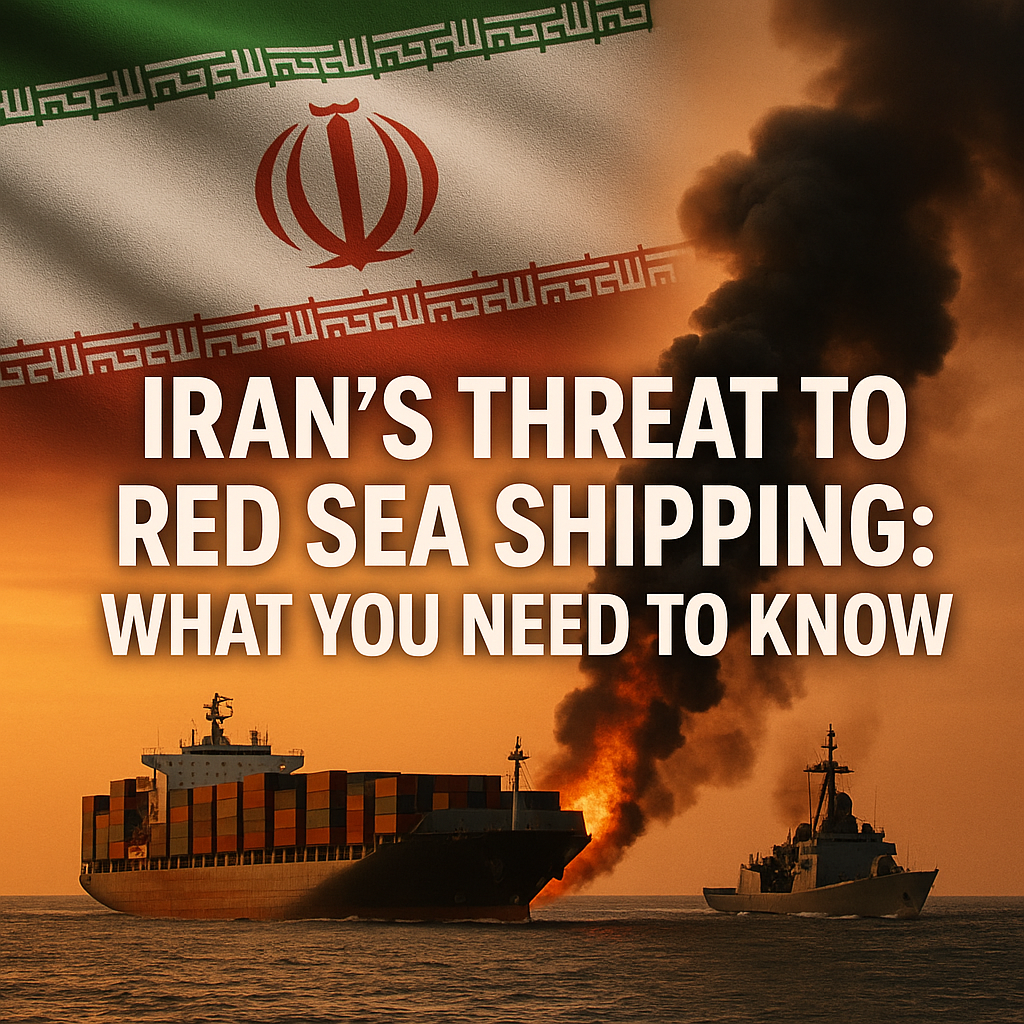
Iran’s Threat to Red Sea Shipping: What You Need to Know
Iran’s Threat to Red Sea Shipping: An Escalating Concern
The ongoing threat posed by Iran to shipping routes in the Red Sea has raised alarms across the international community, signaling a potential shift in maritime security dynamics. As tensions mount between Iran and various regional actors, understanding the implications of these threats is crucial for global trade and regional stability.

The Current Landscape of Red Sea Shipping
The Red Sea serves as a vital artery for global trade, connecting Europe to Asia via the Suez Canal. Approximately 10% of global trade passes through this narrow waterway, underscoring its significance. Recent reports have indicated a marked increase in Iran’s provocations in these waters, particularly involving drone and missile activities that threaten commercial shipping.

According to Al Jazeera, experts have warned that Iran’s capabilities to disrupt shipping lines in the Red Sea pose a serious risk, particularly to vessels bound for Israel and other Gulf nations. These threats are mirrored by assertions from other news outlets, including RT, which highlight Iran’s historical use of asymmetric naval tactics to exert influence and challenge its adversaries.

Diverse Perspectives on Iran’s Strategy
Iran’s motivations for increasing hostility in the Red Sea appear multifaceted. Many analysts posit that these actions represent not only a show of military strength but also a strategic play to counteract U.S.-led sanctions and regional pressures. By demonstrating its capability to threaten vital shipping routes, Iran seeks to reinforce its bargaining position in ongoing negotiations regarding its nuclear program and regional policies.
Conversely, some experts argue that Iran’s aggressive posturing could lead to serious miscalculations, potentially escalating into broader conflicts. On the other hand, detractors of this narrative emphasize Iran’s need to project power amidst isolation, suggesting that their provocations are calculated moves aimed primarily at deterring adversaries rather than instigating outright conflict.
Implications for International Shipping and Security
The maritime threats from Iran have prompted a range of responses from regional powers and the international community. The U.S., for example, has indicated its willingness to increase naval presence in the Red Sea to ensure the safe passage of commercial vessels. This proactive measure aims to deter Iranian aggression and reassure shipping companies navigating these crucial waters.
Shipping companies are also reassessing their routes and security measures in light of the heightened risks. The implications of Iranian threats extend beyond immediate safety concerns; the potential for increased insurance costs and operational delays could ripple throughout global supply chains.
Moreover, the threat has significant geopolitical ramifications. Countries in the region, especially Israel and Saudi Arabia, may feel compelled to strengthen military alliances and enhance their own naval capabilities. Such developments could lead to an arms race in the region, further complicating an already tense environment.
Conclusion: Navigating Uncertain Waters
The escalation of threats from Iran against Red Sea shipping routes introduces a complex layer of uncertainty into international relations and maritime security. While Iran’s motivations can be interpreted through various lenses—strengthening bargaining powers versus potential miscalculations—the consensus remains that measures need to be taken to ensure the safety of one of the world’s busiest maritime routes.
As the situation continues to evolve, monitoring further developments and diplomatic engagements will be essential. The interplay of regional interests and global trade in the Red Sea is a critical concern that demands careful attention and collaborative efforts among the international community.