
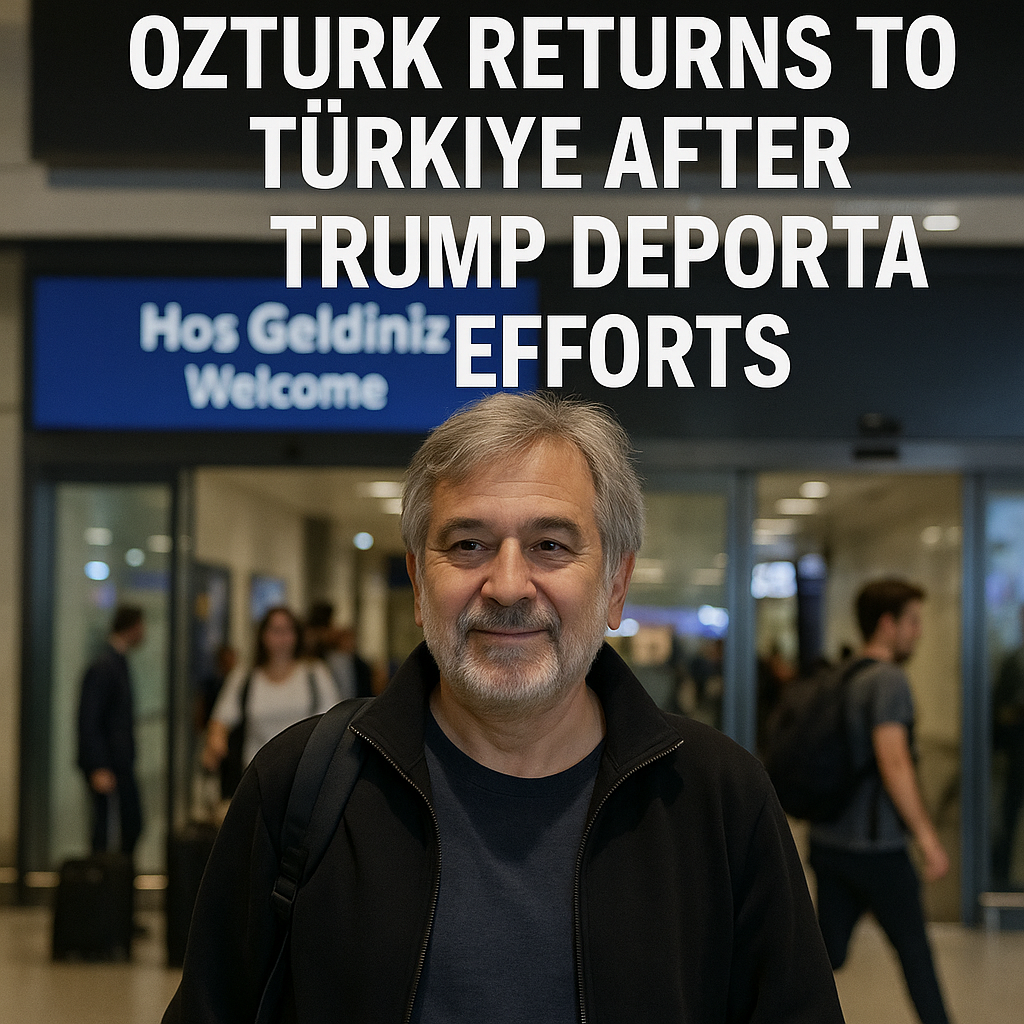
Ozturk Returns to Turkiye After Trump Deportation Efforts

Ozturk Returns to Turkiye After Trump Deportation Efforts
Rumeysa Ozturk’s return to Turkiye following the attempts to deport her by former President Donald Trump highlights the complexities surrounding immigration and academic freedom in the United States. This incident serves as a microcosm of the broader discussions around deportation policies and the treatment of foreign scholars in America.

The Context of Ozturk’s Return
Ozturk, a prominent academic known for her research on cultural studies and social movements, faced challenges in her status as an international scholar in the U.S. media reports suggest that her academic contributions drew political scrutiny, putting her under the spotlight during Trump’s presidency. According to reports from Al Jazeera, her return was not only a personal choice but also a necessity fueled by the increasingly hostile environment for foreign nationals in academic fields under specific political administrations.


The former president’s administration made headlines for its stringent immigration policies, which often put scholars and researchers of foreign origin at risk. Efforts to deport individuals like Ozturk have raised questions about the limits of academic freedom and the rights of international scholars. Critics argue that such actions represent a chilling effect on discourse and innovation, which thrive on diversity and the free exchange of ideas.


Diverging Views on Immigration Policies
Diverse perspectives emerge when analyzing the ramifications of Trump’s immigration policies. Some supporters argue that stricter immigration rules are essential for national security and protecting American jobs. They contend that a cautious approach preserves the integrity of U.S. borders and ensures that immigration is controlled and beneficial.
On the other hand, opponents of the policies argue that this framework harms the United States’ academic and cultural landscape. The campaign against scholars like Ozturk can stifle intellectual growth and deter talented individuals from seeking opportunities in the U.S., thereby diminishing the nation’s global competitiveness. According to analysis from RT News, these actions speak to a broader trend where scholarship and research are increasingly politicized.
The Impact of Ozturk’s Experience
Ozturk’s experience underscores significant issues within the larger immigration debate—particularly the potential consequences for America’s universities. As institutions become battlegrounds for ideological conflicts, the presence of diverse voices becomes critical to fostering an inclusive environment for innovation and learning.
The ramifications of her situation extend beyond academic circles. Many scholars are now evaluating their positions in the U.S. and weighing the risks involved in continuing their research. The fear of deportation or intensified scrutiny can result in self-censorship, undermining the very principles of free thought and discourse that educational institutions purport to support.
The Uncertain Future of Immigration Policies
While Ozturk’s return to Turkiye may provide some relief from the immediate pressures she faced in the U.S., her case raises unresolved questions regarding the future of immigration policies and academic freedom. Will future administrations continue to employ similarly stringent measures, or will a shift toward more inclusive policies emerge? The lack of consensus within the political landscape suggests that uncertainties may persist.
Furthermore, reports from Sky News indicate a growing movement advocating for the protection of scholars with international backgrounds. This advocacy signifies a pushback against policies perceived as unjust, fostering discussions about how to balance national security with the freedoms enshrined in academic pursuit.
Conclusion
Rumeysa Ozturk’s return to Turkiye is emblematic of the intricate dynamics surrounding immigration, national policy, and academic freedom. As the conversations surrounding deportation and the treatment of international scholars continue to evolve, it remains essential to weigh various perspectives. Balancing security and academic integrity will be crucial as the country moves forward.
The situation calls for mindful engagement from policymakers, educational institutions, and society as a whole in order to protect the invaluable contributions of diverse voices in shaping a more robust and inclusive academic environment. Ultimately, the fate of scholars like Ozturk may influence how the United States is perceived globally—as a bastion of free thought or a land fraught with barriers to intellectual exchange.















