Palestinian Father Buries Baby Killed by Israeli Gunfire

A Heartbreaking Loss: Palestinian Father Buries Baby Killed by Israeli Gunfire
The ongoing conflict in the Middle East has tragically escalated once again, as a Palestinian father recently buried his infant child, tragically killed by Israeli gunfire in the West Bank. This harrowing event has captured international attention and ignited renewed debates over the ongoing Israeli-Palestinian conflict, highlighting the profound human toll of violence in the region.

The Incident and Its Aftermath
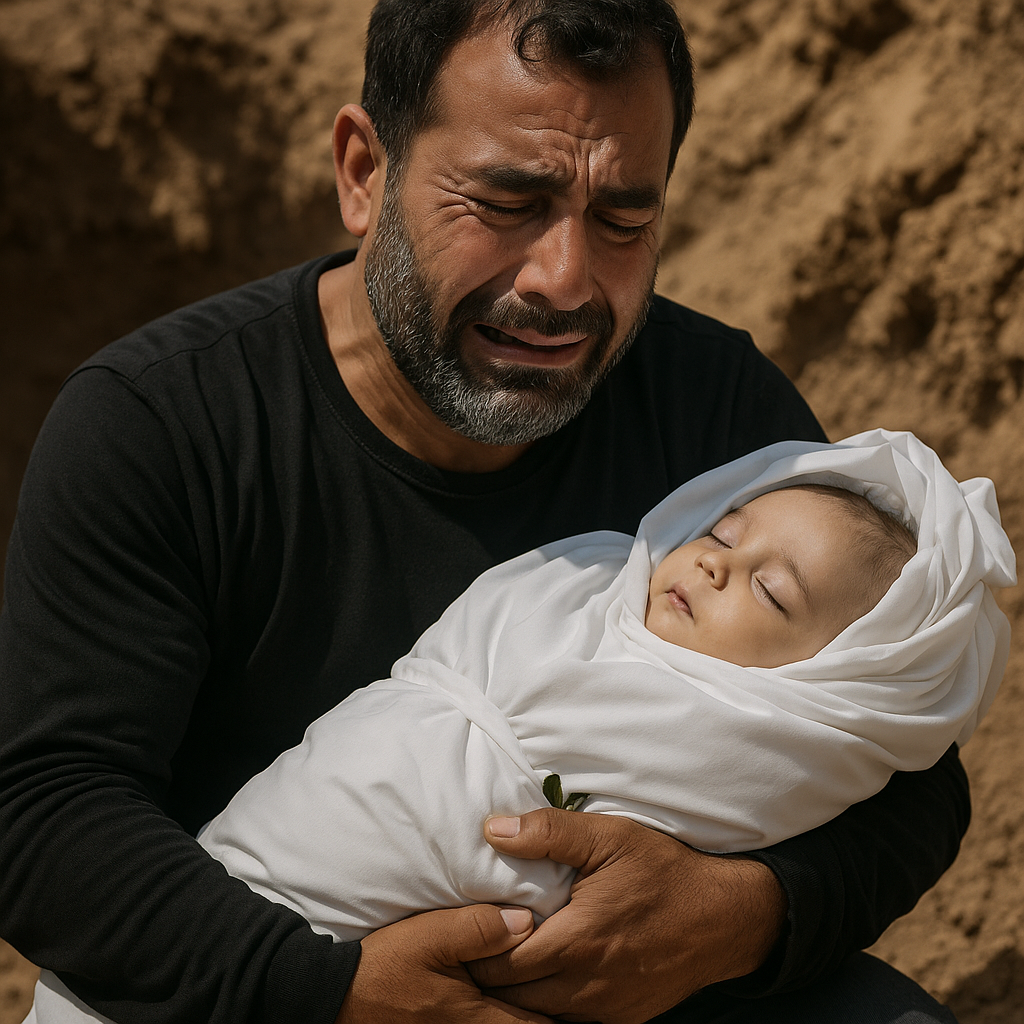
While details surrounding the incident are still emerging, reports indicate that the baby was struck during an exchange of gunfire in the town of Bethlehem. Witnesses describe chaotic scenes, with families rushing to safety amid the sound of gunfire. The child’s father, in a heart-wrenching display of grief, was seen carrying his baby’s small casket, a powerful reminder of the innocent lives impacted by violence.


Let’s consider the perspectives surrounding this tragic event. Al Jazeera reports that local Palestinians view this incident within the broader context of ongoing military operations in the West Bank, which have intensified in recent years. Communities often feel under siege, prompting fear and distrust of Israeli forces. The emotional impact on families, especially in the face of such needless loss, raises critical questions about civilian safety amidst security operations.


Conversely, Israeli sources argue that their military actions are primarily aimed at combatting terrorism, claiming that they often must act in defense against threats from militant groups. However, critics assert that these operations frequently lead to collateral damage, including the loss of innocent lives. As this incident illustrates, the complexities of the conflict often blur the lines between defense and aggression, complicating efforts toward resolution.
The Broader Context of Violence
Over the past few decades, the Israeli-Palestinian conflict has been punctuated by cycles of violence, leading to mutual distrust and deep-seated animosities. According to data from various human rights organizations, incidents like the loss of this infant are part of a tragic pattern whereby civilians, including children, disproportionately bear the brunt of military confrontations. The United Nations has often called for both sides to take measures to protect non-combatants; however, resolutions have frequently been met with indifference or outright rejection from one or both parties.
Moreover, the media portrayal of these situations can shape global perceptions, influencing foreign policy responses and humanitarian aid efforts. While some outlets emphasize military narratives, others focus on individual human stories, such as that of the mourning father, which can engender empathy and support for peace initiatives.
The distressing reality is that as violent incidents continue, the barriers to dialogue only seem to grow. Blogs and social media platforms have become filled with conjectures and heated debates about the appropriateness and consequences of military responses. Many advocates call for a reassessment of tactics employed by either side, arguing that long-lasting peace can only be achieved through mutual recognition and respect for human rights.
A Call for Change
In light of this recent tragedy, there is a pressing need for a renewed commitment to address the root causes of this enduring conflict. Various diplomatic efforts have attempted to ease tensions, but progress remains sporadic. The international community is urged to play a more proactive role in mediating and facilitating discussions that prioritize the protection of innocent lives.
Moreover, there is a growing call from grassroots movements on both sides that advocate for peaceful coexistence. These initiatives aim to break the cycle of retaliation by fostering dialogue and understanding, emphasizing shared humanity rather than division. Enabling such grassroots efforts could present a viable path toward healing.
As we reflect on the painful loss of life in this instance, the question remains: can we move beyond an eye for an eye to build a future where children do not have to fear for their lives simply because of where they were born? It is imperative for both communities and the international community to work toward a peaceful resolution that respects the dignity and lives of all individuals caught in this ongoing conflict.
In conclusion, the burial of this child serves as a stark reminder of the human cost of the Israeli-Palestinian conflict, urging all parties involved to contemplate and pursue a path toward a more compassionate and just resolution. Only through understanding, dialogue, and mutual respect can we hope to prevent further tragedies in the future.