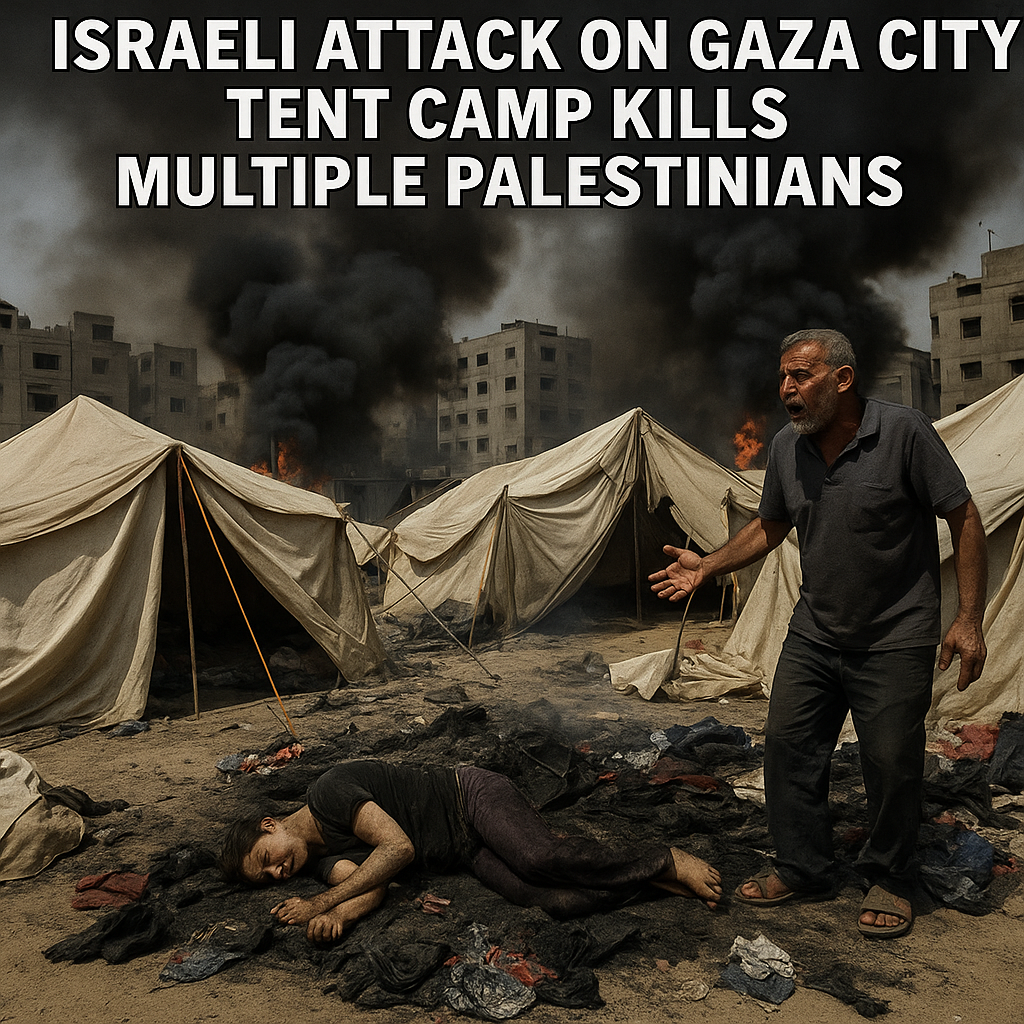
Israeli Attack on Gaza City Tent Camp Kills Multiple Palestinians

The Human Cost of Conflict: Insights from the Recent Israeli Attack on Gaza City
The recent Israeli attack on a tent camp in Gaza City serves as a stark reminder of the ongoing humanitarian crisis that has plagued the region for decades. Reports indicate that multiple Palestinians were killed and several others wounded, prompting widespread condemnation and concern from various international observers. The incident has reignited discussions around the impact of military operations on civilian populations and the complexities surrounding the Israel-Palestine conflict.

Context and Background of the Conflict
To understand the severity and implications of this attack, it is essential to grasp the broader context of the Israel-Palestine conflict. The region has been embroiled in disputes over territory, sovereignty, and rights for over seven decades. Tent camps often house displaced Palestinians who have lost their homes due to ongoing violence and military operations.


According to reports from Al Jazeera, the specific incident involved airstrikes that targeted an area where many Palestinians sought refuge, leading to a significant loss of life. Eyewitness accounts suggest that families living in these camps are particularly vulnerable, as they often lack basic necessities such as safety and security.


Conversely, Israeli sources point to the necessity of their military actions as a response to ongoing rocket fire and perceived threats to their national security. Proponents of this viewpoint argue that such military operations are crucial for Israel’s self-defense. However, this stance raises ethical questions about the civilian toll of these actions.
Diverging Viewpoints on the Attack
In analyzing the differing perspectives on this tragic incident, it’s crucial to consider the voices of both the Israeli government and Palestinian advocates.
On one hand, Israeli authorities have expressed that their military operations aim to dismantle groups they label as terrorist organizations, citing intelligence that justifies their strikes. They argue that military measures are critical for maintaining security in the face of constant threats. For instance, a spokesperson for the Israeli Defense Forces emphasized the need to protect Israeli citizens from ongoing aggression.
On the other hand, Palestinian organizations and human rights advocates condemning the attack argue that such military actions disproportionately affect innocent civilians. They maintain that international law holds nations accountable for actions that harm non-combatants. Reports from groups like Amnesty International highlight that the loss of life in civilian areas violates fundamental principles of human rights.
Recent statements from officials in various countries echo this sentiment, calling on both sides to exercise restraint while condemning acts that lead to the loss of civilian lives. The United Nations has also voiced concerns, stressing the need for diplomatic solutions and humanitarian relief.
The Humanitarian Impact
The devastating consequences of the recent attack extend beyond immediate casualties. Thousands of Palestinians who reside in these camps often face dire living conditions, with limited access to medical care, food, and clean water. An increasing number of residents are reported to suffer from psychological trauma as a result of continuous exposure to violence.
Furthermore, the cycle of violence perpetuates skepticism and hostility between the two communities. The humanitarian crisis in Gaza City has prompted calls for international intervention and support, not just for immediate relief but also for long-term solutions to the root causes of conflict.
In this light, various NGOs are working to provide essential aid, although access remains a challenge due to ongoing conflicts and restrictions. The need for a concrete strategy to address both humanitarian concerns and security issues is of paramount importance, but such efforts face significant political hurdles.
A Call for Dialogue and Resolution
As the world reacts to this tragic event, it is vital to foster dialogues that emphasize empathy and understanding rather than furthering hostilities. Both sides must recognize the human cost of their actions, reconsider the cycle of retaliation that defines much of their relationship, and explore paths toward peace.
While the path to reconstruction and reconciliation is fraught with challenges, a renewed commitment to dialogue—combined with actionable humanitarian support—could create openings for a more serene coexistence.
In conclusion, the attack on the Gaza City tent camp underscores the urgent need for a balanced approach that prioritizes human rights and security. It is imperative for the international community to engage constructively in efforts aimed at alleviating suffering and finding political solutions to enduring conflicts. Only through collective empathy and understanding might there be hope for a future free from violence.