Putin Admits Ukraine Attacks Impacting Russian Economy

Understanding the Economic Impact of Ukraine Attacks on Russia
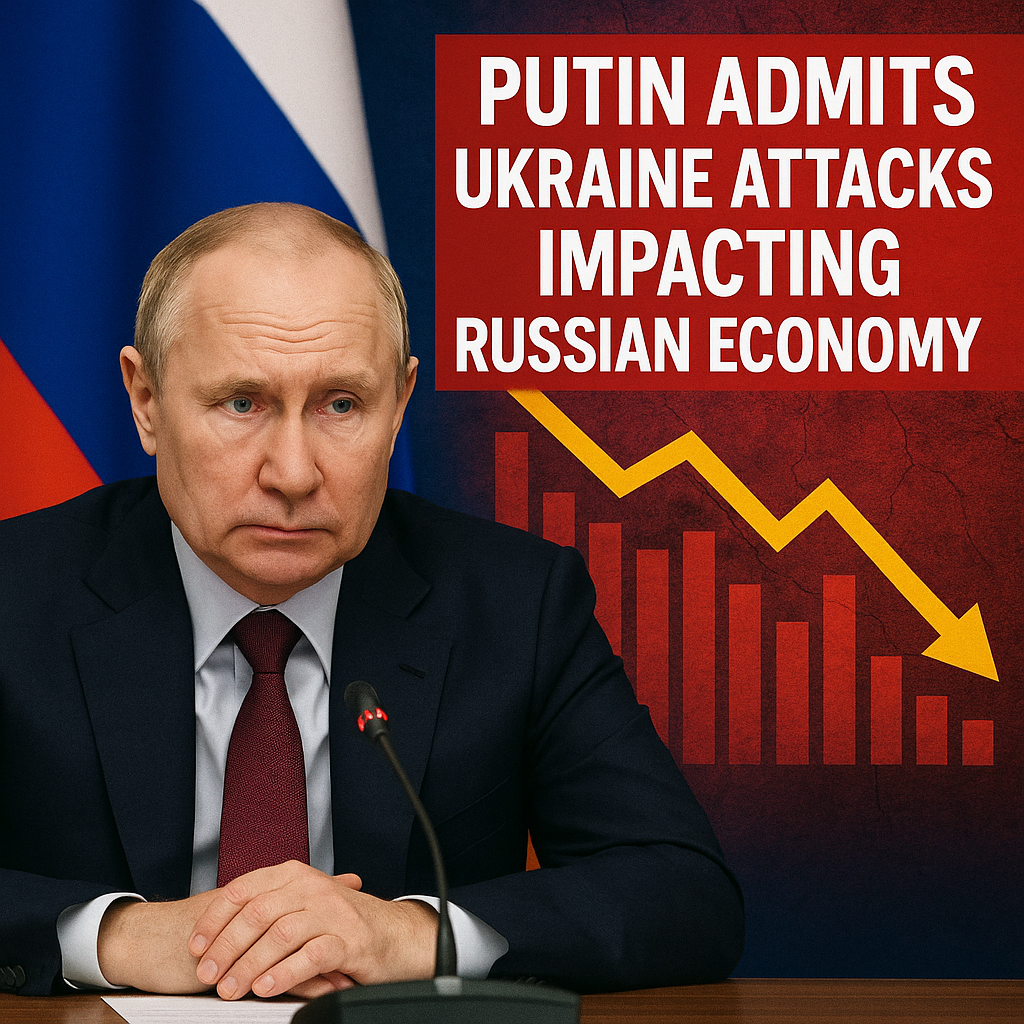
In a significant acknowledgment, Russian President Vladimir Putin has recently admitted that the ongoing conflict in Ukraine is adversely affecting the Russian economy. This statement represents a shift in rhetoric, as the Kremlin has often portrayed its economic resilience despite international sanctions and military expenditures. As the war continues, the repercussions for Russia’s economy become increasingly apparent, shaping not only its financial landscape but also its social fabric.

The Economic Toll: What Putin Recognizes
Putin’s admission came during a meeting with government officials, where he highlighted the necessity for urgent responses to tackle the economic challenges posed by the conflict. Reports indicate that various sectors, particularly exports and the energy industry, are under strain due to both military costs and international sanctions. According to Al Jazeera, experts have noted that the decline in foreign investment and the rising costs of military operations could cumulatively lead to a recession.


– Economic Contraction: The Russian economy faced a contraction of 2.5% last year, largely attributed to the fallout from the conflict in Ukraine.
– Industrial Struggles: The manufacturing sector has also been impacted, largely due to supply chain disruptions and sanctions that limit access to essential technologies and materials.


Moreover, the Russian finance sector is grappling with the ramifications of lost access to Western financial markets, as noted by various economic analysts. As a result, Putin’s government finds itself in a precarious position, needing to balance military ambitions with an economy that is increasingly under strain.
Diverging Perspectives: Support and Criticism
While Putin’s acknowledgment is a step towards addressing economic issues, reactions vary widely. On one side, state-controlled media outlets like RT portray the situation as a challenge that Russia can overcome through national resilience. They emphasize the government’s efforts to pivot towards non-Western markets and boost domestic production. This perspective promotes a narrative of adapting and overcoming as a patriotic duty.
Conversely, independent analysts and some international sources argue that the economic strain could lead to widespread discontent among the Russian populace. The increasing costs of living and scarcity of goods might spark social unrest, challenging Putin’s authority. Observers note that while the Kremlin attempts to project strength, the social ramifications of an ailing economy could undermine this façade.
The Road Ahead: Strategic Decisions Required
As Putin grapples with these economic challenges, the Russian government’s decisions in the coming months will be crucial. The necessity for diversifying trade partnerships, enhancing domestic production, and stabilizing the financial sector must take precedence. Some experts from Al Jazeera suggest that without significant adjustments, Russia could face a prolonged period of economic downturn, leading to substantial societal consequences.
– Trade Diversification: Expanding relationships with countries in Asia and the Middle East could help mitigate the effects of European sanctions.
– Investment in Technology: Fostering innovation and technology within Russia could counter the losses from Western firms withdrawing their operations.
However, these pathways are fraught with uncertainties. The ongoing conflict’s evolution in Ukraine could complicate negotiations and the strategic positioning of Russia within global markets.
Conclusion: A Complex Landscape Ahead
In conclusion, Putin’s acknowledgment that Ukraine attacks are impacting the Russian economy reflects the complexities involved in the ongoing conflict. From economic contraction to potential societal unrest, the challenges posed are multi-faceted and will require careful navigation. As the situation unfolds, the balance between military ambitions and economic stability will define Russia’s trajectory in the coming years. Understanding this nuanced landscape is vital for both policymakers and analysts as they assess the implications of the conflict not only for Russia but for the broader geopolitical stage.