
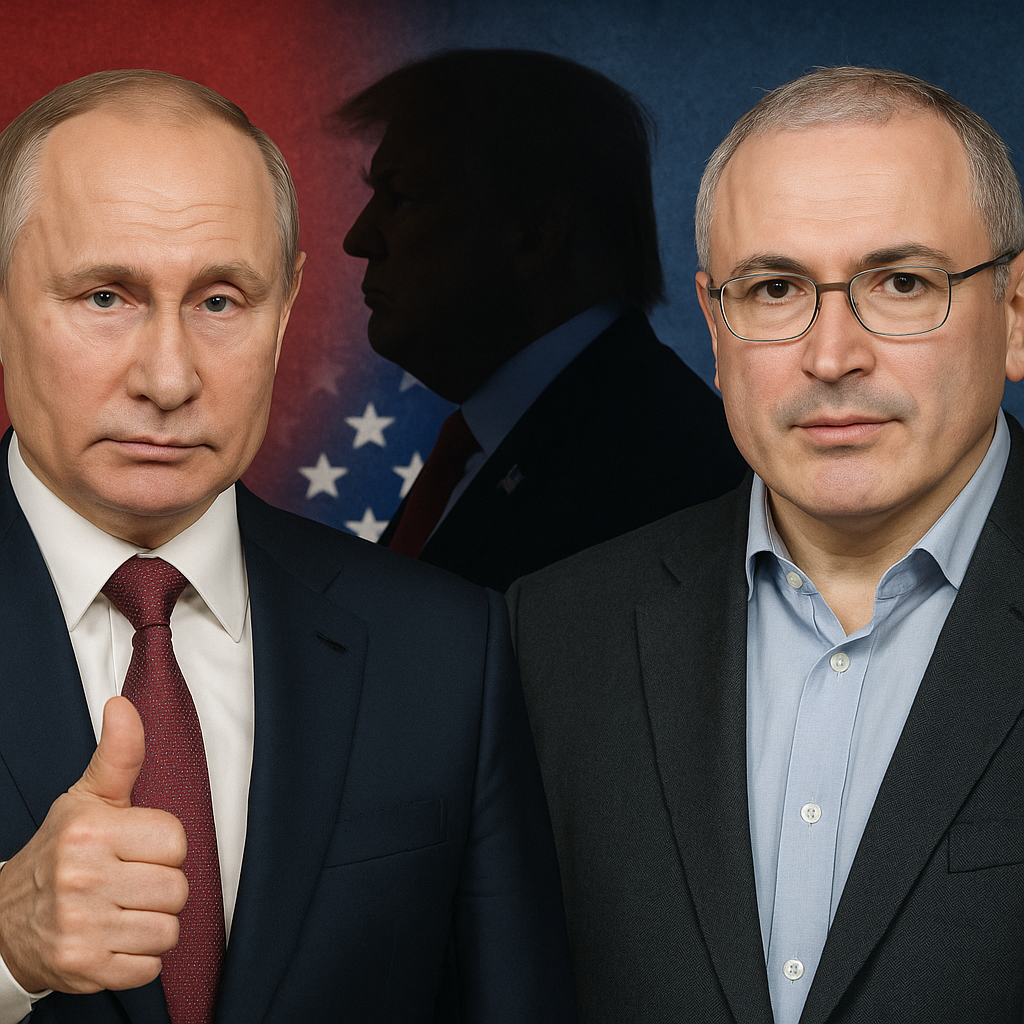
Putin Signals Trump: Ready for Ukraine Deal, Says Exiled Oligarch

Putin Signals Trump: Ready for Ukraine Deal, Says Exiled Oligarch
Recent developments have stirred discussions regarding a potential agreement on Ukraine, as an exiled Russian oligarch claims that President Vladimir Putin has indicated a readiness to negotiate through former President Donald Trump. This statement raises eyebrows over the complex geopolitical dynamics and the intertwined relationships between leaders and power players.

The Context of the Claims
Amid an escalating conflict in Ukraine, exiled oligarch Mikhail Khodorkovsky recently stated that Putin is open to discussions with Trump regarding a resolution to the war. This assertion, reported by Sky News, suggests that Putin may be considering a shift in strategy, one that could have significant implications for global affairs. As Khodorkovsky articulated, “Putin is signaling to Trump that he’s ready for a deal.”


This revelation comes as Ukraine faces ongoing military challenges, with Western nations continuing to support its defense efforts. In contrast, Russia’s aggressive posture and its economic sanctions struggle have prompted some analysts to speculate that Putin’s willingness to engage with the former U.S. president might signal a sense of desperation, or perhaps a tactical retreat.


Diverging Perspectives on Putin’s Motives
The implications of Khodorkovsky’s claims spark debate among experts. Some analysts propose that Putin’s overture may indicate a broader desire for conciliation, potentially aimed at redeeming Russia’s global standing and economic stability. According to Al Jazeera, this move could be interpreted not as a sign of weakness but as a strategic recalibration to avoid further isolation.
On the other hand, critics argue that such claims should be met with skepticism. Detractors suggest that any overtures made by Putin are part of a grander strategy to divide Western alliances and diminish support for Ukraine. Experts from RT note that while negotiations and peace are preferable, history shows that Putin can be unpredictable. They caution against interpreting his gestures too optimistically, underscoring that any negotiations would likely come with conditions favorable primarily to Russian interests.
The Role of Trump in U.S.-Russia Relations
The potential role of Donald Trump in this emerging narrative deserves special attention. Trump’s previous presidency was marked by a controversial relationship with Russia, often characterized by a mixed approach of rhetoric and policy. Some observers argue that his possible involvement could alter the dynamics of U.S.-Russia relations, with Trump historically advocating for dialogue rather than confrontation.
However, public opinion remains divided. Supporters of Ukraine’s sovereignty worry that Trump might push for compromises detrimental to Ukrainian interests. They fear that his inclination towards pragmatism could translate into pressure for concessions, providing breathing room for Russia amidst ongoing sanctions.
Conversely, proponents of engagement advocate for leveraging Trump’s unique relationship with Russia to facilitate peace talks. They argue that dialogue, even with a controversial figure like Trump, is essential for navigating the highly complex geopolitical landscape.
What Lies Ahead: A Navigating Path for Peace?
The prospect of a U.S.-Russia negotiation on Ukraine raises significant questions. Will Putin remain committed to some form of deal, or are these signals mere posturing to alter perceptions? The uncertainty surrounding these developments requires a careful and nuanced analysis.
Key Considerations Ahead:
– International Response: The reaction from other Western nations will critically influence any potential negotiations. The cohesion of NATO and EU responses is vital in maintaining pressure on Russia while also exploring avenues for peace.
– Ukrainian Agency: The voices from Ukraine should be at the forefront. Any negotiations must prioritize the perspectives and needs of Ukrainians, ensuring that their sovereignty and territorial integrity are upheld.
– Long-term Implications: If a deal were reached, we must consider the long-term consequences on Russia’s future behavior within the global arena. Would any agreement reinforce a more stable international order or embed more antagonistic behaviors?
In conclusion, the claims made by Khodorkovsky open a window into the potential dynamics of a U.S.-Russia dialogue regarding Ukraine. However, the complexities and multifaceted perspectives surrounding the topic caution against jumping to conclusions. As the situation evolves, the global community must remain vigilant in assessing the implications of seeking peace in a tumultuous geopolitical landscape.















