
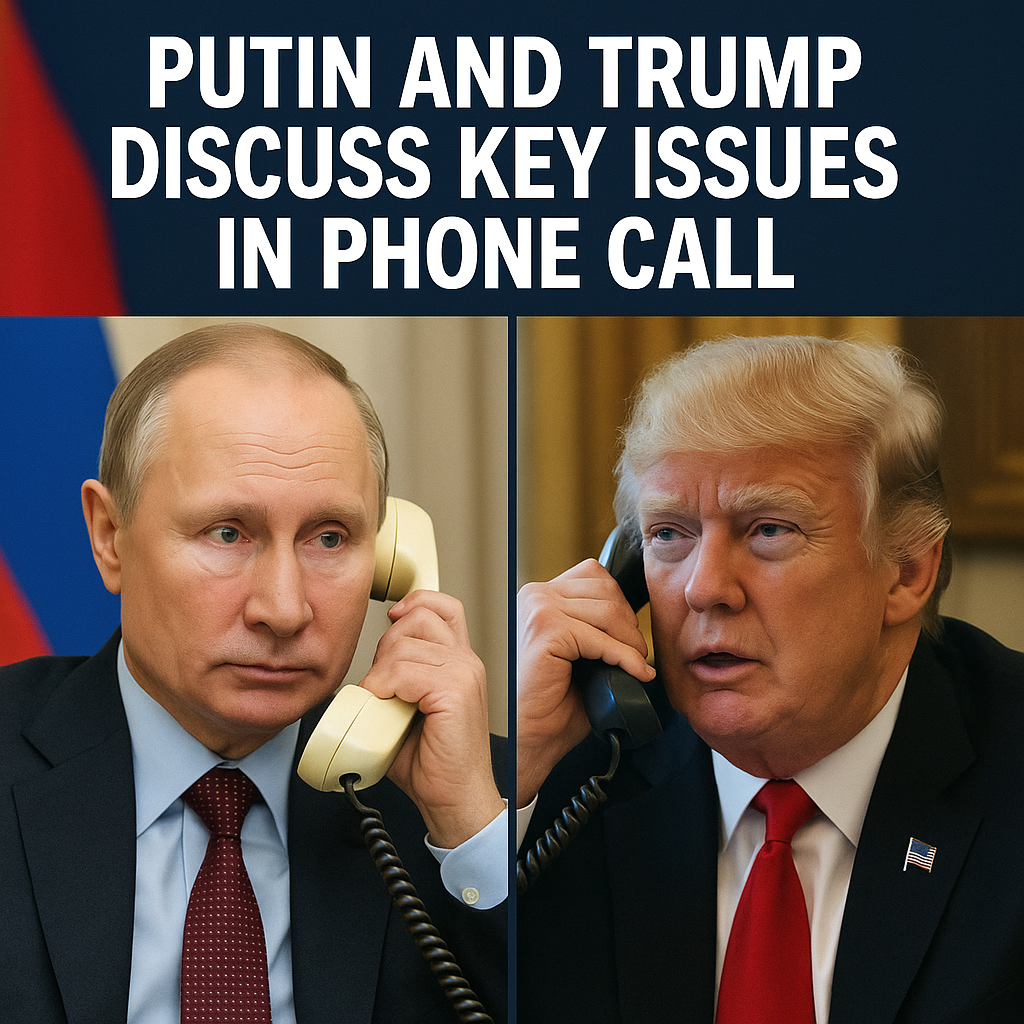
Putin and Trump Discuss Key Issues in Phone Call

Putin and Trump Discuss Key Issues in Phone Call: A Look at Their Conversations
In a recent phone call, notable leaders Vladimir Putin and Donald Trump engaged in discussions surrounding pivotal global issues, rekindling interest in their complex relationship. While both figures often elicit strong opinions across the political spectrum, their dialogues are increasingly scrutinized as they navigate not only diplomatic waters but also the sentiments of their respective countries.

Overview of the Discussions
The main topics brought to light during the call included security measures, economic partnerships, and the ongoing conflict in Ukraine. According to reports from RT, Putin expressed a desire for improved relations between the United States and Russia, emphasizing that dialogue is crucial in resolving global issues (source: RT). He encouraged a spirit of cooperation rather than confrontation, indicating that historical ties should guide their future interactions.


Conversely, coverage from Al Jazeera highlighted Trump’s perspective on the matter. Trump has often been critical of the current U.S. administration’s approach to Russia. His comments in the wake of the phone call suggest a focus on regaining the strength of U.S. leadership on the world stage. Trump indicated that he views engagement with Russia as essential but underscored the importance of America establishing a powerful negotiating stance.


Weighing Divergent Views
The contrasting opinions on how best to deal with Russia reflect broader divisions in U.S. and global politics. Trump’s appeal for assertive diplomatic strategies raises questions about the efficacy of traditional engagement models. Critics argue that his approach emphasizes confrontation rather than cooperation, potentially compromising opportunities for collaboration on pressing issues such as nuclear disarmament and climate change.
On the other hand, supporters of Putin’s call for dialogue argue that meaningful discussions can pave the way for mutual understanding and possibly improved relations. As noted by various sources, engaging in open conversations can soften tensions, providing fertile ground for peace negotiations. However, the lingering mistrust between the two nations remains a significant barrier to achieving consensus.
Key Points of Discussion:
– Security Measures: Both leaders acknowledged the necessity for a stable security framework in light of global threats. They signaled a willingness to address these issues cooperatively.
– Economic Partnerships: Enhancing trade relations was a focal point, with Trump suggesting that improved economic ties could benefit both nations.
– Ukraine Conflict: The ongoing situation in Ukraine continues to be a significant sticking point, with differing perspectives on resolution strategies.
The Future of U.S.-Russia Relations
As the world continues to grapple with complex geopolitical challenges, the implications of Putin and Trump’s discussions could have a far-reaching impact. Given Trump’s fluctuating stance on critical issues and his potential return to political prominence, the conversation may signal a shift in U.S. foreign policy if he were to regain office.
Additionally, analyzing the historical effectiveness of such calls between the two leaders is essential. There is some skepticism about the capacity of dialogue to translate into actionable policies, especially given the current climate characterized by sanctions and retaliation. In-depth discussions might foster a conducive atmosphere but might not lead to substantive changes if political will is lacking.
Potential Impacts and Global Repercussions
The divergent views on the efficacy of diplomatic dialogue extend beyond just U.S.-Russia relations. Regional allies and adversaries alike are watching closely, weighing their own strategies in response to these developments. If Trump’s more combative approach gains traction, this could sour diplomatic relations not just between the U.S. and Russia, but also create ripple effects across Europe and other global actors.
In contrast, if Putin’s advocacy for dialogue resonates more broadly, it may inspire other leaders to re-evaluate their positions and seek avenues for reconciliation rather than conflict. Ultimately, the complexities of international diplomacy hinge on the interplay of personalities, national interests, and the broader geopolitical landscape.
Conclusion
The recent phone call between Putin and Trump serves as a reminder of the intricacies involved in international relations, with both leaders advocating for vastly different approaches. As they navigate pivotal discussions on issues ranging from security to economic partnerships, the global community remains keenly aware of the potential consequences.
While each leader prioritizes their national interests, the balance between dialogue and assertiveness will play a pivotal role in shaping future interactions. Given the unpredictable nature of geopolitical dynamics, it remains to be seen how effective their discourse will be in fostering a more stable and harmonious global environment.















