
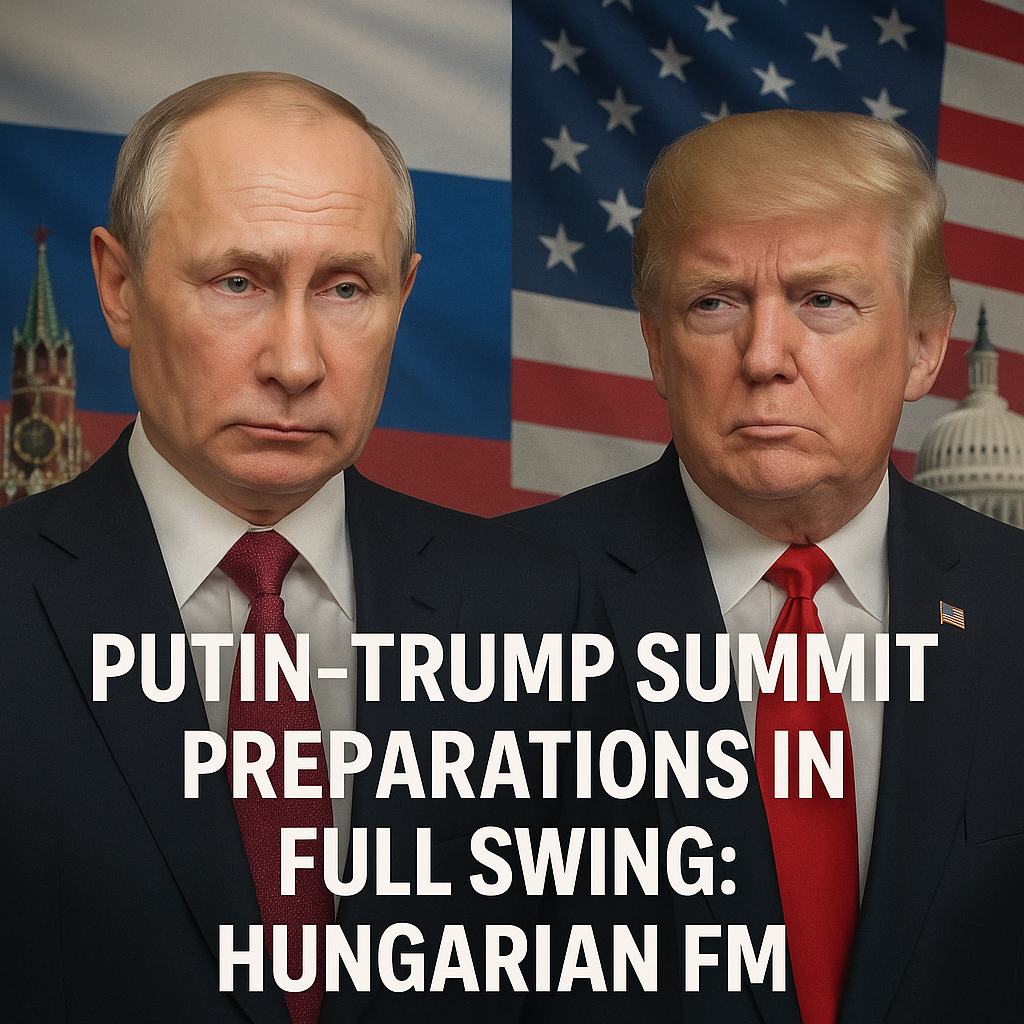
Putin-Trump Summit Preparations in Full Swing: Hungarian FM

Putin-Trump Summit Preparations in Full Swing: Hungarian FM
As global attention sharpens on the anticipated summit between Vladimir Putin and Donald Trump, preparations are reportedly well underway, and the geopolitical landscape becomes increasingly complex. Hungarian Foreign Minister Péter Szijjártó has indicated his belief that this meeting could lead to significant dialogues about international relations and security.

The Significance of a Possible Meeting
The proposed summit is viewed as a critical opportunity for dialogue between the two leaders, drawing interest from various international communities. Historical context cannot be ignored, as both Putin and Trump have had tumultuous past engagements and strained negotiations, especially concerning issues such as nuclear arms control, trade, and regional conflicts.


In his recent statements to the press, Szijjártó emphasized the necessity of dialogue, encapsulating a viewpoint that seeks to ease tensions in a fraught global atmosphere. “In times of crisis, diplomacy becomes even more crucial,” he stated, echoing sentiments found across several news outlets.


While proponents of the summit see it as a means to thaw relations between the U.S. and Russia, skeptics warn that the meeting could yield little more than political theater. Analysts argue the summit could ultimately serve Trump’s domestic interests, providing him with a platform to portray himself as a statesman amidst ongoing investigations and criticisms he faces back home.
Divergent Perspectives on the Summit
While there exists a consensus on the importance of diplomatic relations between powerful nations, opinions diverge on what outcomes can realistically be expected from this summit.
1. Support for Diplomatic Engagement
Many international figures, including Szijjártó, argue that engagement can pave the way for constructive discussions concerning pressing issues. Reports from Al Jazeera reflect a belief that direct dialogue can address conflicts and concerns that otherwise fester without clear channels of communication. The Hungarian FM asserted, “It’s vital that leaders communicate openly, regardless of their differences.”
2. Skepticism and Caution
Conversely, critics from various sectors have expressed skepticism regarding the potential success of such a meeting. Some political analysts worry that the summit might backfire, serving more as a narrative for populist agendas rather than achieving substantive progress. Reports from RT suggest that prior engagements have not necessarily led to lasting agreements. Citing previous high-profile summits that resulted in little more than photo opportunities, one commentator noted, “We’ve seen these situations before.”
Complex Geopolitical Implications
The broader implications of a Trump-Putin summit do not just impact U.S.-Russia relations but extend to global security dynamics. The shifting landscape in Eastern Europe, particularly with ongoing tensions over Ukraine, adds layers of complexity to the dialogue. As Szijjártó has pointed out, Hungary’s geographical location makes it especially vulnerable amid regional instability, reinforcing the need for stable diplomatic channels.
Furthermore, various reports detail how external factors, including NATO’s posture and the current energy crisis fueled by geopolitical tensions, could play a significant role in shaping the summit’s agenda. Trump’s approach to NATO has often garnered criticism for perceived indecision, which may resurface in discussions about military alliances and cooperative security in the region.
The Road Ahead: What to Expect
As preparations for the summit progress, several aspects remain uncertain.
– Agenda Setting: There is no clear consensus on what primary issues will be addressed, although arms control and trade relations are anticipated focal points.
– Public Perception: The media will likely scrutinize the outcomes heavily, particularly how both leaders portray the success or failure of their discussions to their respective domestic audiences.
– Long-Term Impact: Even if the summit generates agreements, one must consider the longevity and enforceability of such deals, especially in light of the historical hesitance seen in past negotiations between the U.S. and Russia.
In conclusion, while the summit holds the promise of renewed diplomatic engagement, it is challenging to predict its efficacy in resolving long-standing tensions. As various voices express optimism or skepticism, the only certainty lies in the complexity surrounding U.S.-Russia relations, demanding cautious observation as the summit date approaches. The world watches for clarity amid what remains a turbulent geopolitical climate.















