Qeshm Island Targeted by Enemy Projectiles: Iran Reports

Qeshm Island Targeted by Enemy Projectiles: Iran Reports
Recent reports indicate that Qeshm Island, a strategic location in the Persian Gulf, has faced hostile actions, with Iranian authorities claiming that multiple enemy projectiles were fired at the area. This incident has heightened tensions in the region and raises significant questions about potential repercussions and underlying motives.

The Incident and Its Implications
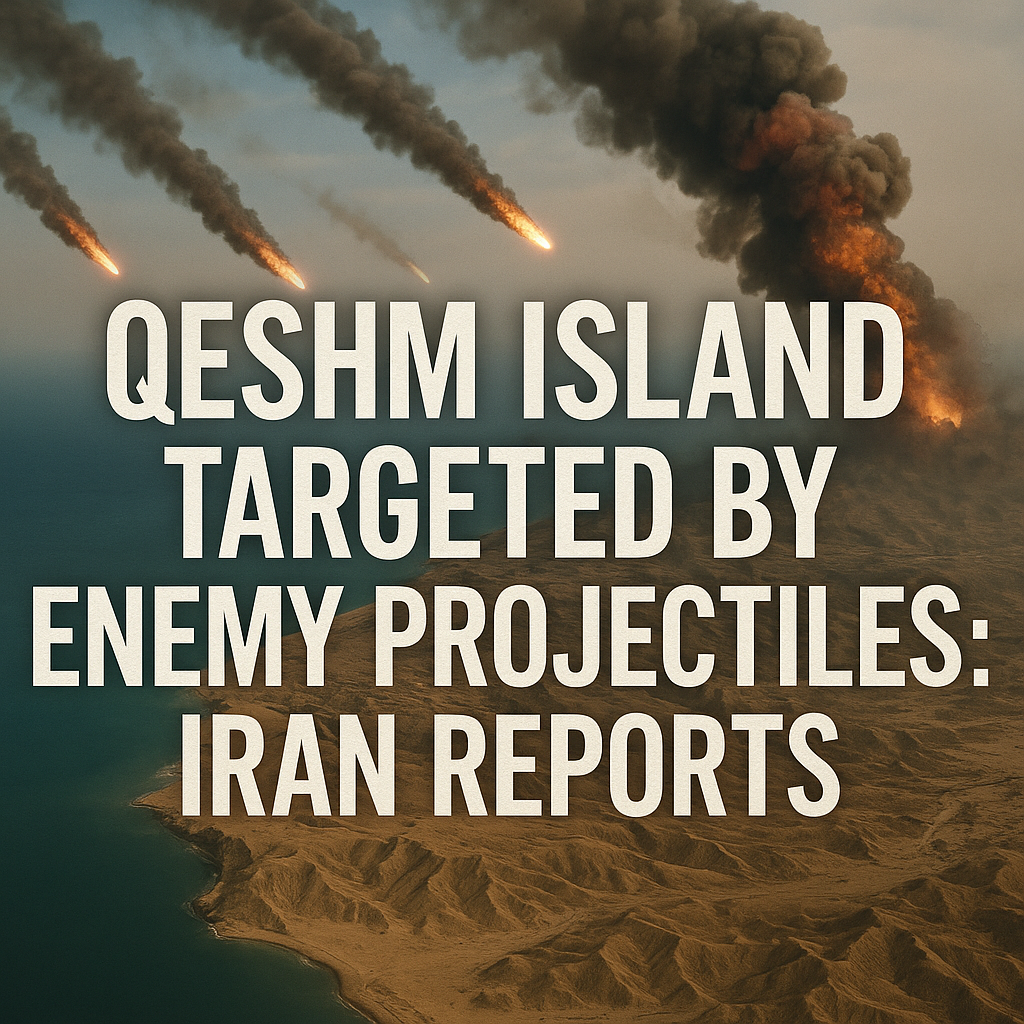
On July 12, Iran reported that almost a dozen projectiles targeted Qeshm Island, which is known for its vital economic and military significance due to its proximity to important shipping lanes. Iranian state media characterized the incident as a clear demonstration of aggression, pointing fingers at “enemy forces” attempting to disrupt stability in the area. This official narrative suggests a coordinated effort to intimidate or provoke insecurity within Iranian territories.


Experts suggest that such provocations are not new. Analysts have highlighted that tensions in the Gulf region often stem from broader geopolitical conflicts, particularly involving Iran and its adversaries. The situation is exacerbated by Iran’s contentious relationship with the United States and its allies, particularly concerning military posturing and operations in the Gulf.


Diverse Reactions and Regional Dynamics
Responses to the reported attack have been diverse. While Iranian leadership has condemned the actions of alleged aggressors, regional players have reacted with a mix of skepticism and caution. Sources from RT highlighted the geopolitical ramifications of the incident, noting that it could provoke a military response from Iran. However, the Iranian government has thus far refrained from escalating the conflict openly, which suggests a calculated approach in the face of potential adversarial actions.
Conversely, news outlets like Al Jazeera indicated that local populations on Qeshm Island are worried about the ramifications of such escalation. Residents fear that repeated hostilities might lead to military engagements, affecting both their safety and local economies grounded in fishing and tourism. The implications of these tensions are far-reaching, impacting not only Iran but also neighboring countries that rely on stability in the Gulf for commerce and security.
Ground Realities and Path Forward
Moving forward, the situation appears precarious. While Iranian officials may seek to assert control and respond to provocations with strength, the challenge lies in balancing reactive strategies with the need to maintain a level of regional peace. The desire to deter future aggressions must be weighed against the need to prevent military escalation that could lead to conflict — not just for Iran, but for the entire Gulf region.
Complicating matters is the public perception of these incidents, where narratives can shift rapidly. The Iranian government might portray itself as a victim needing to defend its territory, while critics argue that adopting a confrontational stance could risk broader military entanglements. Such dynamics invite a need for diplomacy, yet skepticism often surrounds international dialogues given historical precedents of broken agreements.
Conclusion
The targeting of Qeshm Island illustrates the broader geopolitical struggles in a region marked by historic rivalries and ongoing tensions. As Iran navigates this complex landscape, the mixture of military, economic, and diplomatic strategies will undoubtedly be critical in shaping both immediate responses and longer-term stability. The hope among many observers is that recent aggressions do not culminate in a cycle of retaliation, but rather lead to discussions about future security frameworks that consider not just Iranian interests but those of all regional actors.