
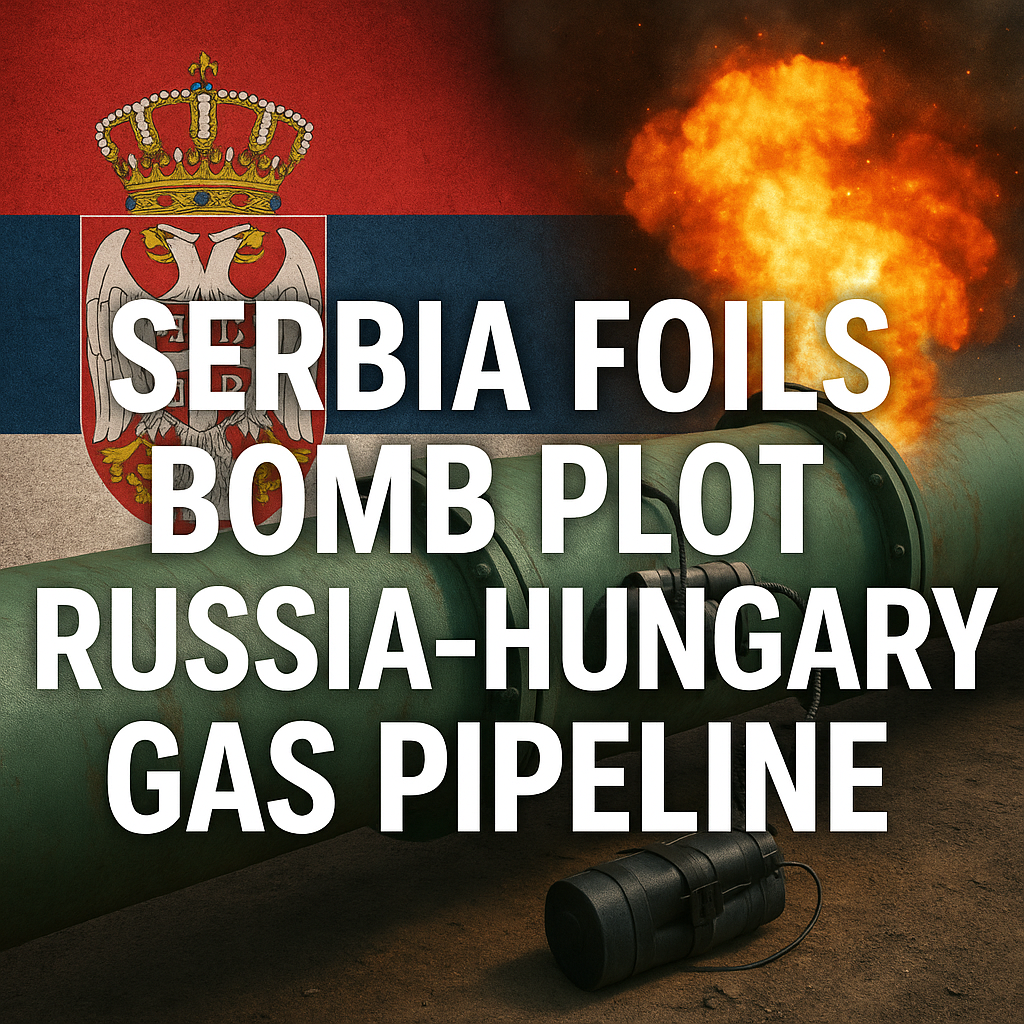
Serbia Foils Bomb Plot on Russia-Hungary Gas Pipeline

Serbia Foils Bomb Plot on Russia-Hungary Gas Pipeline
In a significant development that underscores the fragile geopolitical climate in Europe, Serbia recently thwarted a bomb plot targeting the Russia-Hungary gas pipeline. This event not only raises alarms over energy security but also exemplifies the increasingly complex dynamics of international relations in the region.

Context of the Plot
The potential attack on the gas pipeline is far from a standalone incident; it reflects a wider context of geopolitical tensions influenced by ongoing conflicts and shifting allegiances. The pipeline itself is a crucial element in the network supplying gas from Russia to Hungary, and by extension, to other parts of Europe. Given the energy crises exacerbated by the war in Ukraine and sanctions against Russia, maintaining operational infrastructure is vital for energy security.


According to reports from RT, the Serbian authorities indicated that this operation was preemptively neutralized, suggesting the involvement of organized groups looking to destabilize regional energy security. Al Jazeera reiterated the broader implications of such an attack, noting that it would have not only disrupted energy flow but also further escalated existing tensions between Russia and Western-backed nations.


Motivations Behind the Plot
Understanding the motivations behind the attempted bombing is crucial in grasping the wider implications. Insights from multiple sources indicate that various factions in Europe are increasingly using energy as a battleground. Some analysts suggest it reflects the attempts by certain groups to pressure countries reliant on Russian energy supplies, while others highlight the role of nationalist sentiments within Serbia itself, which have been known to fluctuate in reaction to foreign influence and pressures.
Sky News reported that security agencies in Serbia are closely monitoring potential threats from radicalized groups, possibly influenced by larger political narratives at play. This plot is not just an isolated event but rather a symptom of escalating instability that has permeated Europe due to the geopolitical shifts initiated by the Ukraine conflict.
Reaction and Implications
The Serbian government’s swift action received both domestic and international recognition. By preventing the plot, Serbia not only showcased its commitment to national security but also its critical role as a stabilizing force in an increasingly tumultuous region. However, this incident raises further questions about the effectiveness of current security measures in place across Europe.
1. Domestic Concerns: Within Serbia, the incident may reignite debates on national security and the efficacy of intelligence services. Public opinion may swing towards a demand for increased transparency and more robust measures to thwart potential threats.
2. International Ramifications: The international community is watching closely; any disruptions in the flow of gas could have significant ripple effects on energy prices and availability across Europe. Analysts note that countries with energy dependencies may reevaluate their foreign policies towards Russia in light of rising security concerns.
Uncertainties and Points of Contention
Despite the immediate resolution, there are uncertainties surrounding the event. While some sources view Serbia’s action as a significant victory for national security, others caution against drawing definitive conclusions about ongoing threats.
Notably, the varying perspectives highlight the complexity of sentiment in this region. Some experts argue that the existence of such plots could increase nationalist and anti-Western sentiments, further polarizing public opinion. Others are more optimistic, framing the government’s success in thwarting the attack as an opportunity for collaboration with European partners in intelligence-sharing and counter-terrorism efforts.
Conclusion
The thwarted bomb plot on the Russia-Hungary gas pipeline serves as a reminder of the precarious balance of energy security, geopolitical tensions, and national integrity in Serbia and the wider European landscape. As the region grapples with evolving threats and complex dynamics, it must navigate a path towards stability that acknowledges both internal and external pressures.
While the events surrounding the pipeline plot have been resolved for now, the underlying issues remain prevalent. The actions taken today will have profound implications for tomorrow’s discussions on energy, security, and international diplomacy. As the narrative continues to unfold, stakeholders must remain vigilant and adaptive to emerging threats while striving for a cohesive approach to regional security.















