
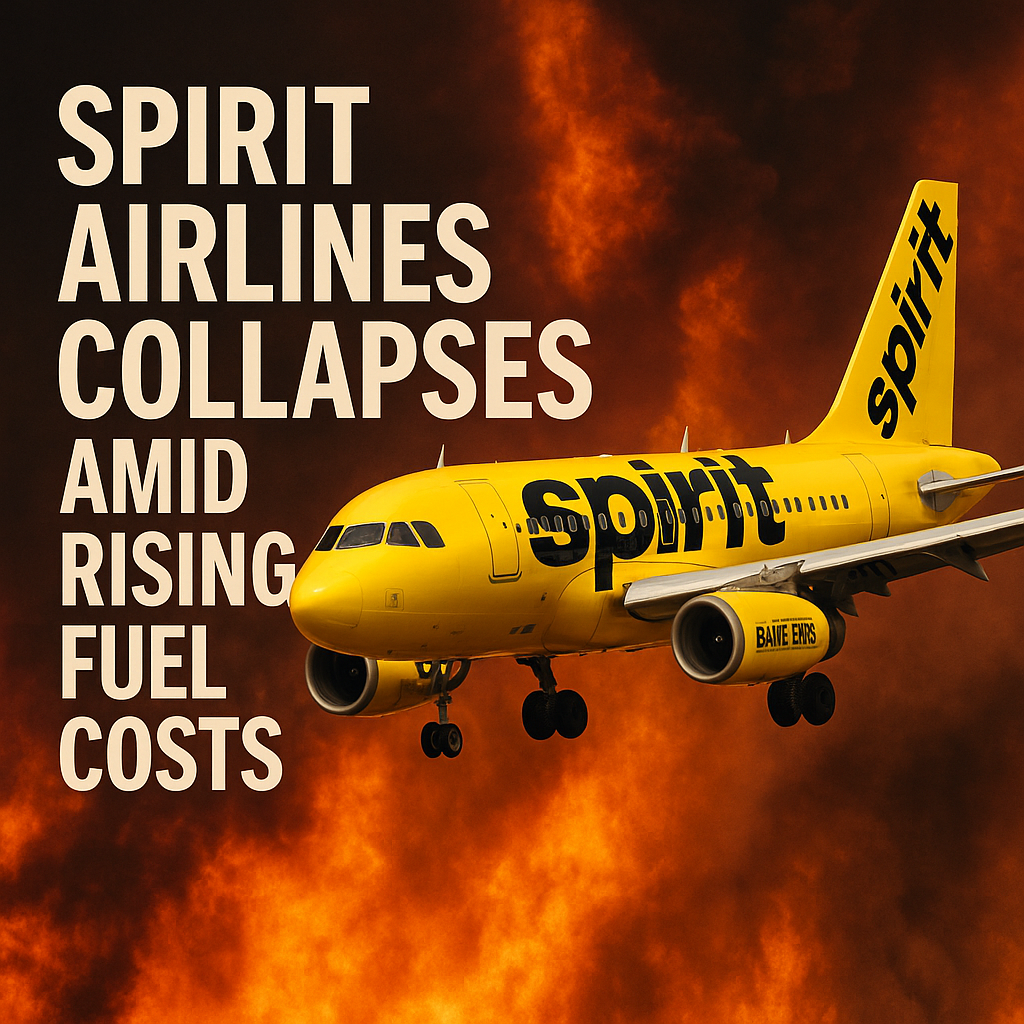
Spirit Airlines Collapses Amid Rising Fuel Costs

Spirit Airlines Collapses Amid Rising Fuel Costs: An Industry Analysis
The recent collapse of Spirit Airlines has sent shockwaves through the aviation industry, highlighting the critical impact that rising fuel costs can have on airlines. Spiraling prices, exacerbated by geopolitical tensions such as the war in Iran, have forced many carriers to reevaluate their operational strategies. In this article, we will explore the complex factors contributing to Spirit’s downfall and consider the broader implications for the aviation sector.

The Convergence of Fuel Costs and Operational Challenges
Fuel prices have always been a significant component of operational costs for airlines, but recent events have exacerbated the situation. Reports indicate that the ongoing conflict in Iran has disrupted supply chains and created upward pressure on fuel prices, challenging airlines already grappling with pandemic-related losses. As noted in a piece from Al Jazeera, “The war has intensified market volatility, causing a ripple effect that extends beyond regional conflicts.”


This increase in fuel prices directly impacts low-cost carriers like Spirit Airlines, which operate under slim profit margins. Airlines typically hedge against fluctuating fuel prices, but the prolonged crisis has left little room for maneuvering. Industry analysts argue that for low-cost carriers, maintaining competitive fares while absorbing rising costs is a precarious balancing act.


Financial Strategies: A Double-Edged Sword
As airlines face soaring operational costs, many have turned to aggressive pricing strategies. Spirit Airlines had built its business model on offering incredibly low fares, enticing budget-conscious travelers. However, as operational costs increased, these low prices became untenable. The inability to pivot effectively led to a financial crisis, resulting in the company’s collapse.
RT reports that “Spirit attempted to navigate these troubled waters through a series of fare increases,” but these measures were insufficient. The airline’s existing debt only compounded the issue, leading to a rapid deterioration of its financial health. Travelers looking for affordable options were not prepared to absorb the rising cost of tickets, resulting in decreased demand and further losses for the airline.
While some sources argue that Spirit’s business model was inherently flawed, others suggest that external factors played a larger role. The consensus emerges that while the structure of Spirit’s operations may have been unsustainable in the long term, the immediate cause of its collapse can be directly traced to uncontrollable economic factors, namely escalating fuel costs and the impacts of geopolitical instability.
Future Implications for the Aviation Industry
The collapse of Spirit Airlines serves as a sober reminder of the vulnerabilities inherent in the airline industry. It raises important questions about the future of low-cost carriers in a volatile economic landscape. Industry experts emphasize the need for more robust financial strategies that can withstand external shocks.
Adaptation: The Path Forward
In light of Spirit’s downfall, other airlines may reconsider their operational frameworks to mitigate risk. This includes reevaluating their fuel hedging strategies or diversifying revenue streams. Companies that adapt swiftly and efficiently can better navigate similar crises, while those unable to do so may face significant consequences.
Experts point out that the recovery of the aviation industry will also depend on the resolution of geopolitical tensions and stabilization of fuel prices. Airlines that can establish flexible pricing and operational strategies will likely emerge stronger from the current crisis.
As travel demand continues to rebound post-pandemic, the industry must carefully monitor fuel costs and implement adaptive measures. While Spirit Airlines faced its demise with rising fuel prices as the catalyst, the ripple effects will influence the strategies of many competitors in the industry.
Conclusion: A Cautionary Tale
The collapse of Spirit Airlines amid rising fuel costs serves as a cautionary tale for the aviation industry. Although external factors played a significant role, the reliance on an unsustainable business model ultimately highlighted profound vulnerabilities.
As airlines move forward, it is imperative that they take comprehensive steps to ensure long-term viability in an ever-changing marketplace. This includes prioritizing operational flexibility and understanding that external volatility will always be a factor in air travel economics. Moving forward, the focus will need to be on resilience, adaptability, and the ability to weather future storms.















