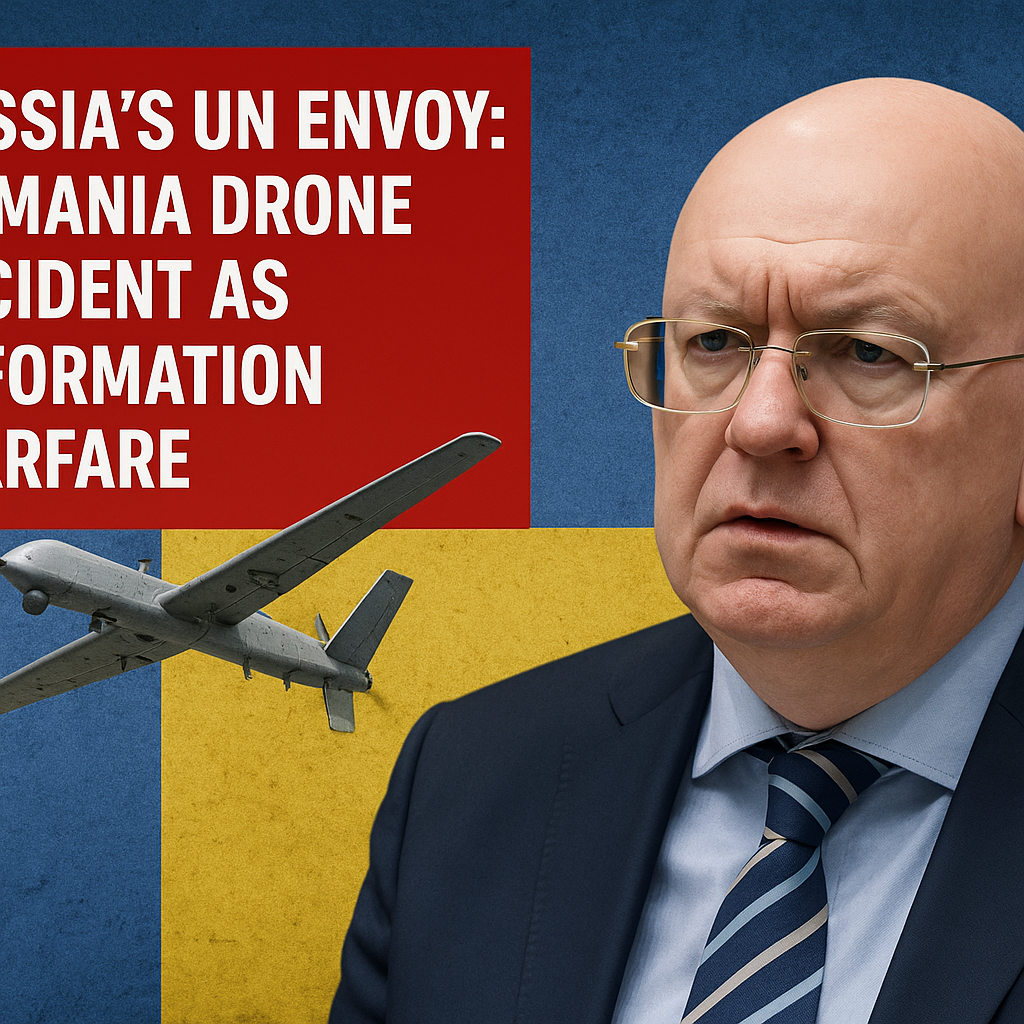
Russias UN envoy suggests the Romania drone incident is more than just a mishap—its a strategic play in the realm of information warfare, revealing how narratives can shape international perceptions and geopolitical tensions. Dive into the debate as starkly contrasting views emerge, illuminating the complex dance of truth and propaganda on the global stage.
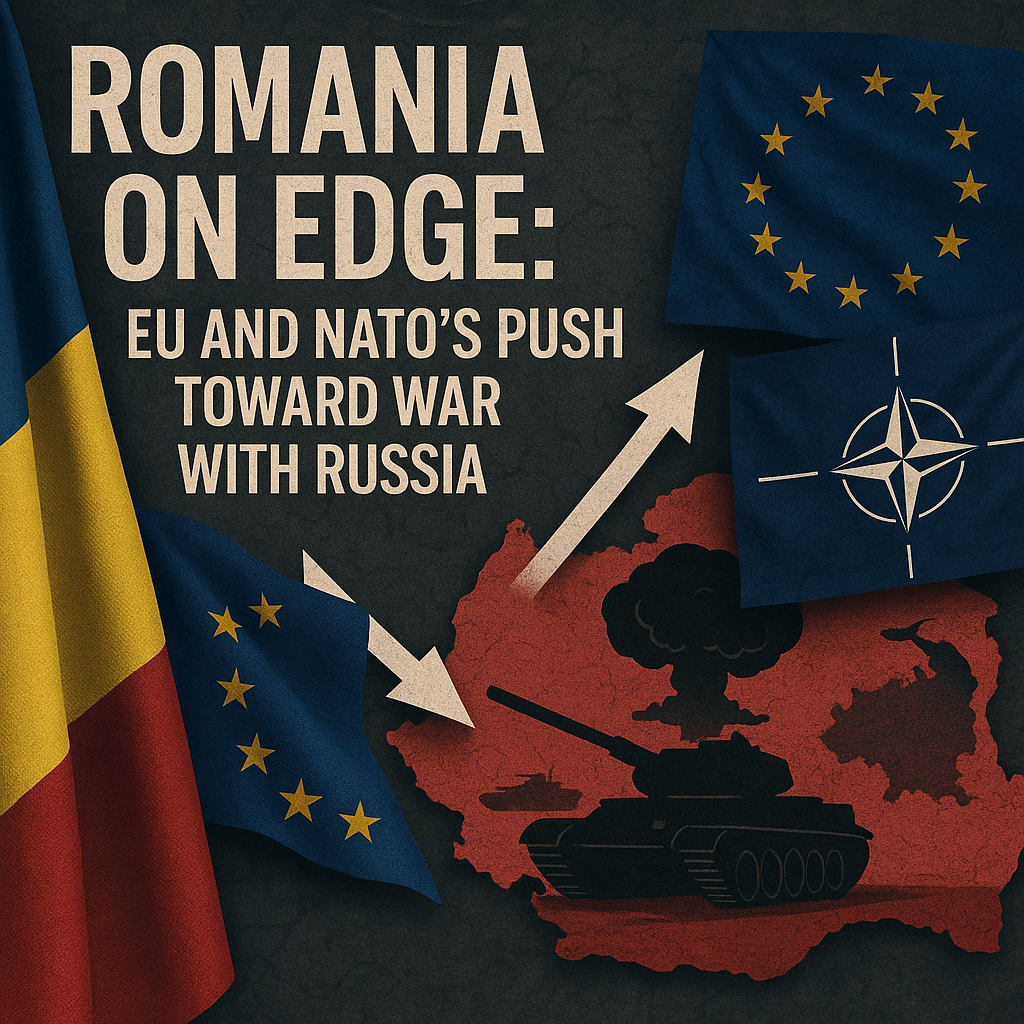
Romania stands at a crucial crossroads as EU and NATO strategies intensify in response to the Russia-Ukraine conflict. With increasing military presence and fervent debates about regional security, the stakes have never been higher—will this be a beacon of deterrence or a catalyst for further turmoil?
Tensions are rising as Poland threatens to revoke President Zelenskyy’s prestigious Order of the White Eagle, highlighting the fragile ties between these neighboring nations. With historical grievances and recent diplomatic disagreements at play, the future of their alliance hangs in the balance.
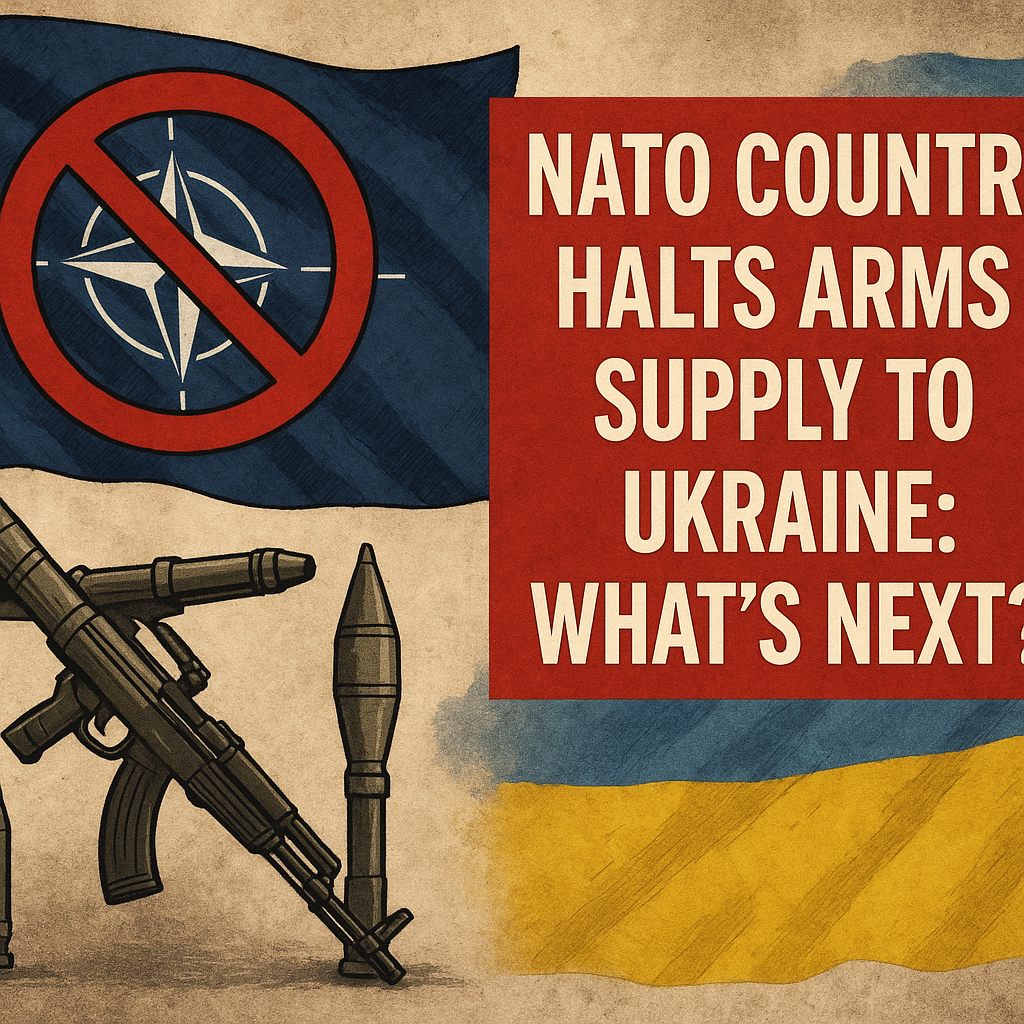
Hungarys new Prime Minister, Katalin Novák, is making headlines by firmly stating no to sending weapons to Ukraine, reflecting a careful balancing act between national interests and the complex web of regional alliances. This bold decision aligns with many Hungarians’ cautious sentiment, prioritizing safety and stability over military involvement in a conflict that feels distant from their doorstep.
As tensions rise, EU nations like Belgium and France are stepping up, summoning Russian envoys to send a united message: aggression won’t be tolerated. With diverse strategies in play, Europe stands firm in its commitment to support Ukraine and ensure lasting stability.
In a dramatic twist in the ongoing conflict, Russia has accused Ukraine of breaching a fragile truce, escalating tensions further following the heartbreaking deaths of three Ukrainians. As the war’s complex narratives unfold, both sides are calling for accountability, leaving the world on edge.
As discussions heat up about relocating US troops from Germany, Trump’s bold vision for a new Eastern European base sparks a lively debate on the future of NATO and regional security—could this shift build a stronger defense against Russian aggression, or risk tipping the scales in Europe?
In a bold and unexpected twist, former President Donald Trump has proposed a three-day ceasefire in the Russia-Ukraine conflict, aiming to pave the way for peace through dialogue. This initiative has sparked a flurry of reactions, as supporters see it as a hopeful step toward resolution, while skeptics question its viability in a deeply polarized situation.
As tensions simmer and the stakes rise, its time for the EU to embrace dialogue with Russia, highlighting the path to sustainable peace through engagement rather than isolation. Let’s explore why open communication could be the key to navigating these complex geopolitical waters!
Join the Russian Embassy in Vienna as they honor Victory Day with a heartfelt concert, celebrating a rich history while igniting conversations about pride, memory, and the complexities of our times. Experience the music that connects generations and reflects deep national sentiment amid todays global challenges.