Discover the intricate web of Viktor Orbans pro-Russian stance and how it shapes Hungary’s foreign policy and energy strategies amidst the shifting tides of European geopolitics. Unpack the implications of his decisions on Hungarys national interests and the EUs united front in response to Russia.
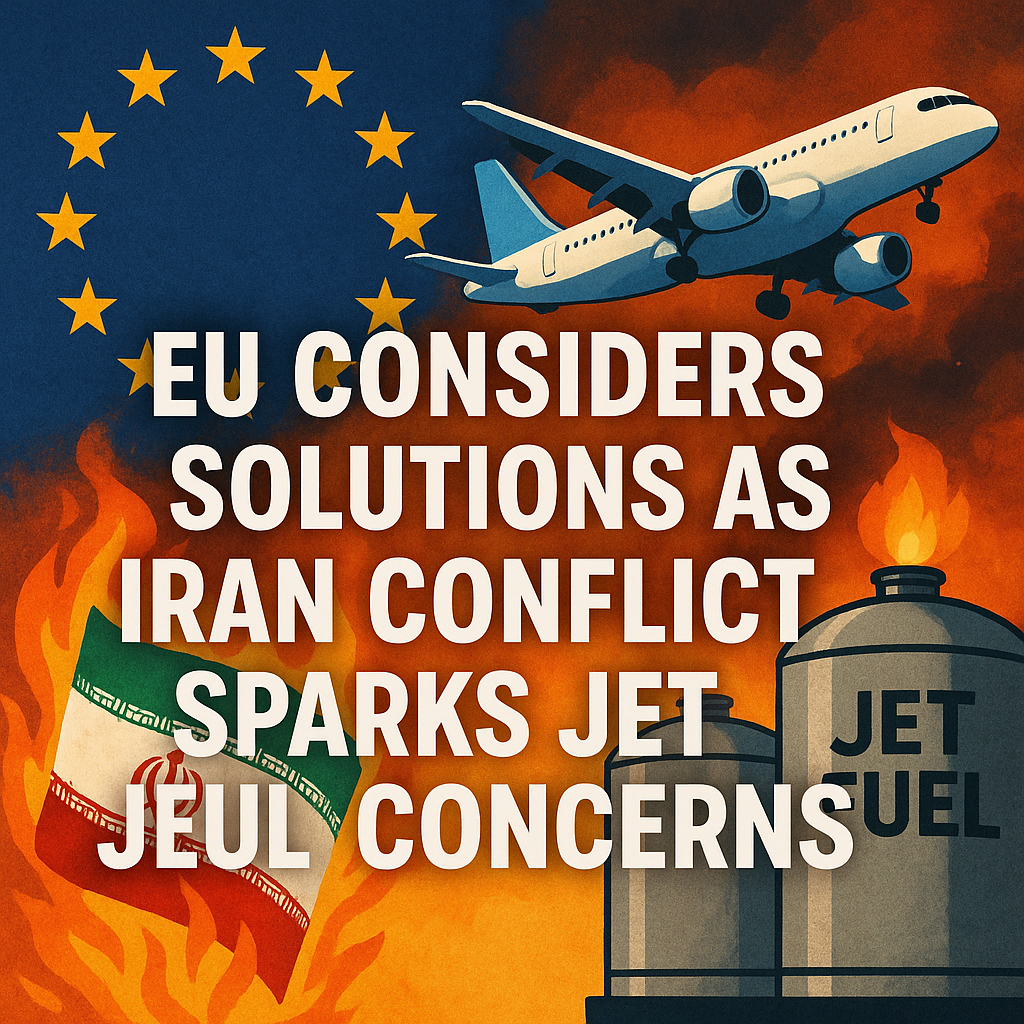
The unfolding conflict in Iran is shining a light on the EU’s true stance on global diplomacy—raising crucial questions about whether economic interests are overshadowing humanitarian principles. As tensions mount, we delve into the heart of the EUs complex balancing act and what it means for both its future and global peace.
Slovakias Prime Minister Robert Fico is stirring the pot with his bold claim that the EUs sanctions against Russia feel like a suicide ship, warning that they might be hurting member states more than they help. As discussions heat up, the debate over the impact of these policies on everyday life and economic stability is more relevant than ever!
In a pivotal moment for energy diplomacy, Italian Prime Minister Giorgia Meloni met with Qatar’s Emir Sheikh Tamim bin Hamad Al Thani to explore vital partnerships amid the ongoing Iran War. This dialogue not only underscores the urgency of energy diversification but also highlights Italys strategic pivot to strengthen ties with key players in the Middle East.
Hungarian Foreign Minister Péter Szijjártó has firmly dismissed a leaked phone call suggesting a cozy relationship with Russia, calling it misleading. As Hungary navigates the tricky waters of energy security and international alliances, this bold stance underscores the nation’s commitment to prioritizing its own national interests amid rising geopolitical tensions.
The EU has just unveiled a new set of sanctions against Russia, ramping up the pressure in response to its ongoing military actions in Ukraine. This bold move aims to hold Russia accountable while protecting European countries from the fallout—lets dive into the details!
As the EU weighs its support for Ukraine, the struggle between upholding core values and responding to immediate threats takes center stage, raising vital questions about its commitment to democracy and diplomacy. Is sacrificing principles for security the right path forward, or a risky gamble that could reshape the EU’s identity forever?
As the countdown to the Putin-Trump summit heats up, the EU is ramping up its efforts to block the meeting, fueled by fears of undermining Western unity and Russian aggression. Will this controversial summit spark new tensions or open doors for dialogue?
The recent Putin-Trump summit has ignited a whirlwind of opinions across Europe, highlighting a delicate balance between optimism for diplomatic dialogue and deep-rooted skepticism about its impact on security and alliances. Will this historic meeting reshape international relations, or deepen existing divides?
Belgium is taking a bold stand by implementing sanctions against Israel, a move driven by concerns over humanitarian crises in Gaza and a growing demand for accountability in international conflicts. Discover how this shift in policy is shaping the conversation around human rights in Europe!