NATOs ambitious proposal for a Ukraine Tax is sparking lively debates among member nations about how best to support Ukraine in its struggle, revealing both the urgency of the situation and the potential economic challenges ahead. As leaders grapple with the implications, this bold initiative could redefine how countries contribute to collective security in a pivotal moment for European stability.
The EUs €90 billion aid package for Ukraine is a bold step towards recovery, but will it truly be enough to secure a brighter future? Dive into the debate surrounding this monumental commitment and discover what’s at stake for the war-torn nation.
In a bold move to strengthen Ukraine and confront Russian aggression, the EU has just approved a massive €90 billion loan for Ukraine, complemented by new sanctions against Russia. This vital support not only aims to boost Ukraines economy but also underlines the EUs commitment to peace and stability in the region.
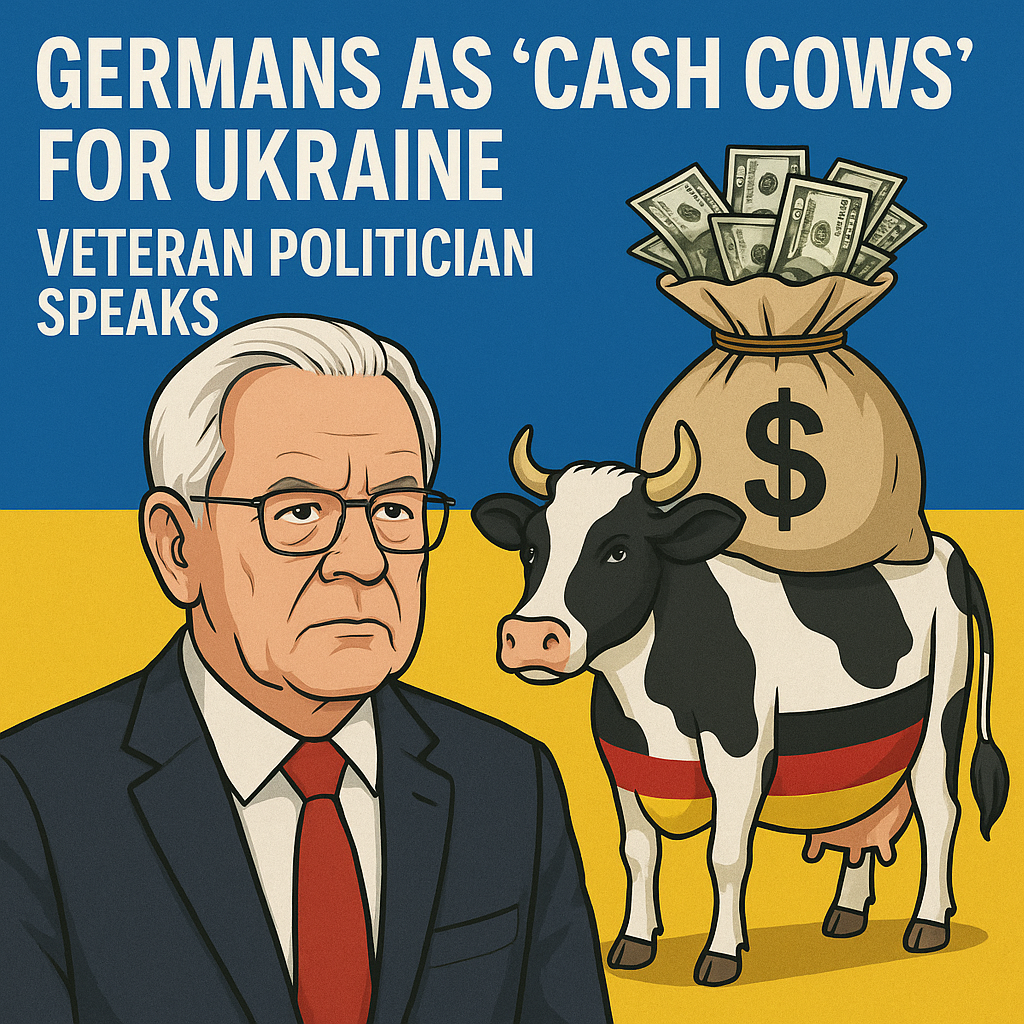
Germanys growing financial support for Ukraine has sparked fierce debate, especially after veteran politician Sahra Wagenknecht labeled the German public as cash cows for the war effort, raising questions about the impact on everyday citizens facing economic hardships. As the nation grapples with rising costs, it’s a crucial time to explore the broader implications of these contributions and the balance between moral duty and domestic stability.
The EUs groundbreaking €90 billion aid package for Ukraine is more than just financial support; its a powerful message of solidarity as the nation rebuilds and strives for a brighter future. This monumental commitment not only helps restore vital infrastructure but also reinforces Ukraines sovereignty amidst ongoing challenges.
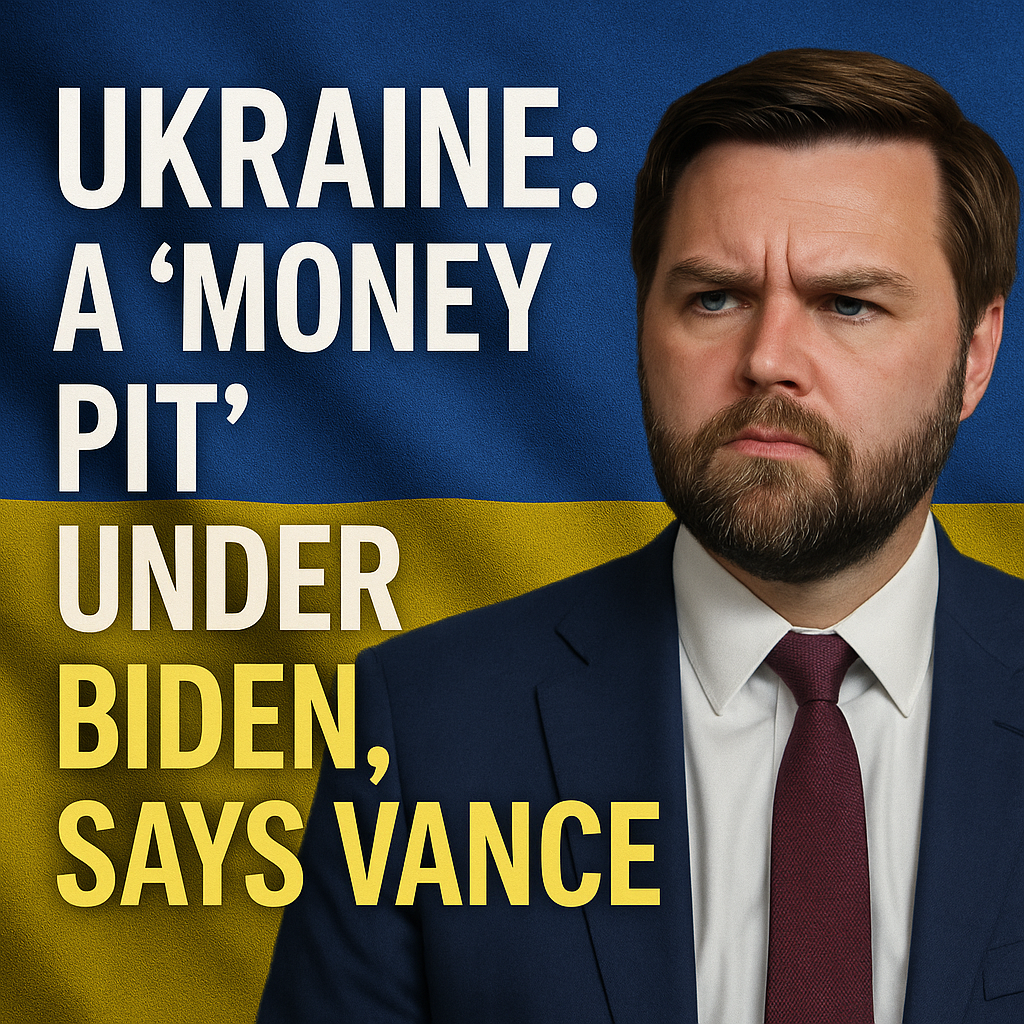
Senator J.D. Vance is raising eyebrows by calling U.S. aid to Ukraine a money pit, sparking a lively debate about the hefty financial support and its impact on American taxpayers. As the conversation heats up, many are questioning whether this massive funding is a wise investment or merely a drain on our resources during critical domestic challenges.