As Iran and the U.S. engage in pivotal talks, the question looms: Whos really calling the shots? With a history of tension and shifting power dynamics, the outcome of these negotiations could reshape the future of diplomacy in the region.
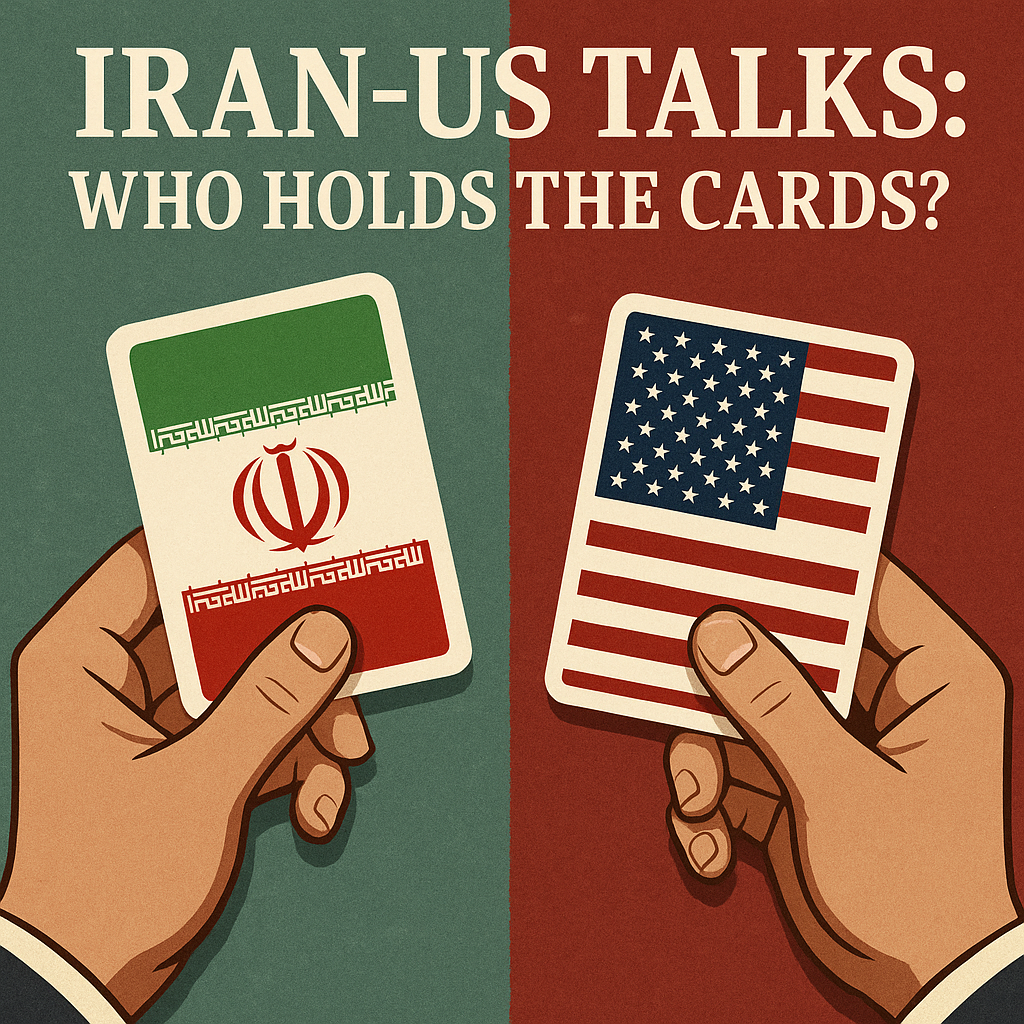

As Iran and the U.S. engage in pivotal talks, the question looms: Whos really calling the shots? With a history of tension and shifting power dynamics, the outcome of these negotiations could reshape the future of diplomacy in the region.
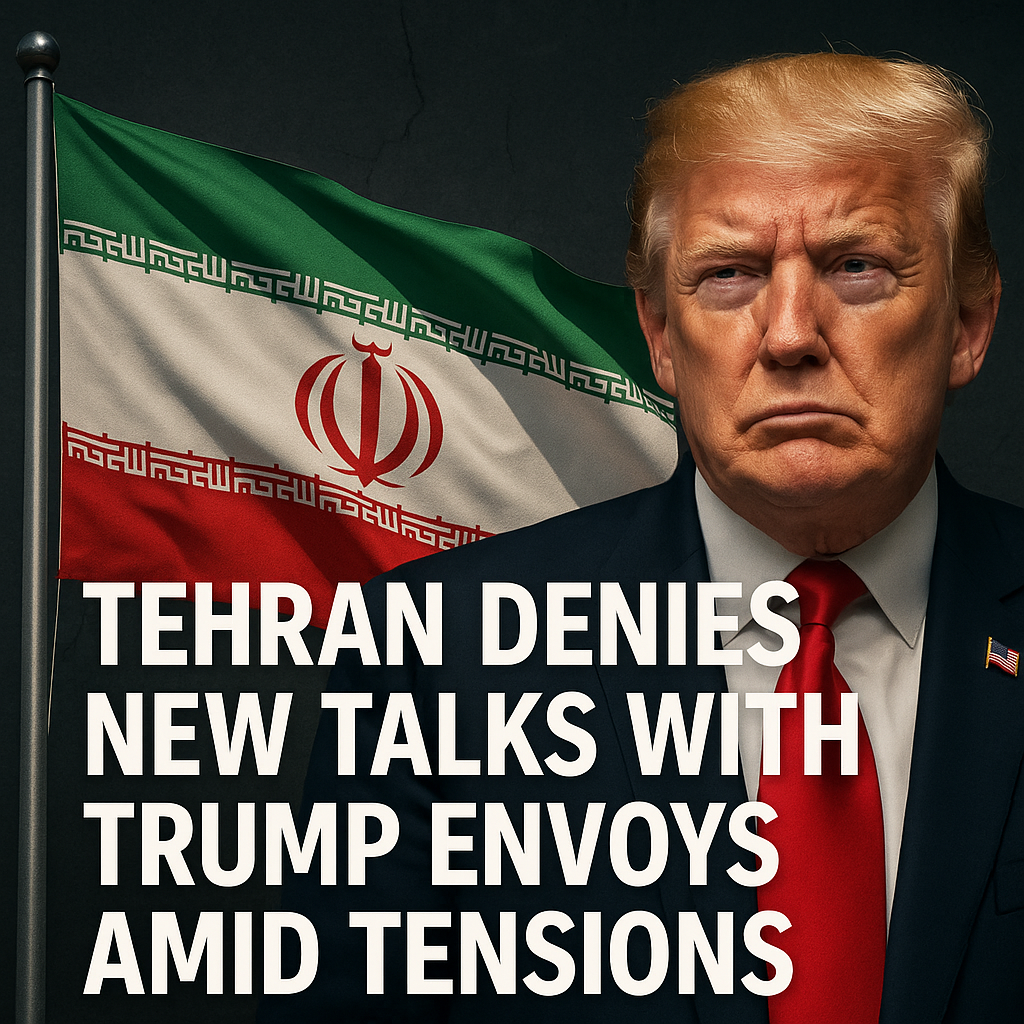
Tehran has firmly rejected claims of renewed talks with Trump’s envoys, asserting that such allegations are merely attempts to sow discord within Iran, all amid rising tensions in the Middle East. As the geopolitical landscape shifts, understanding these developments is more crucial than ever!
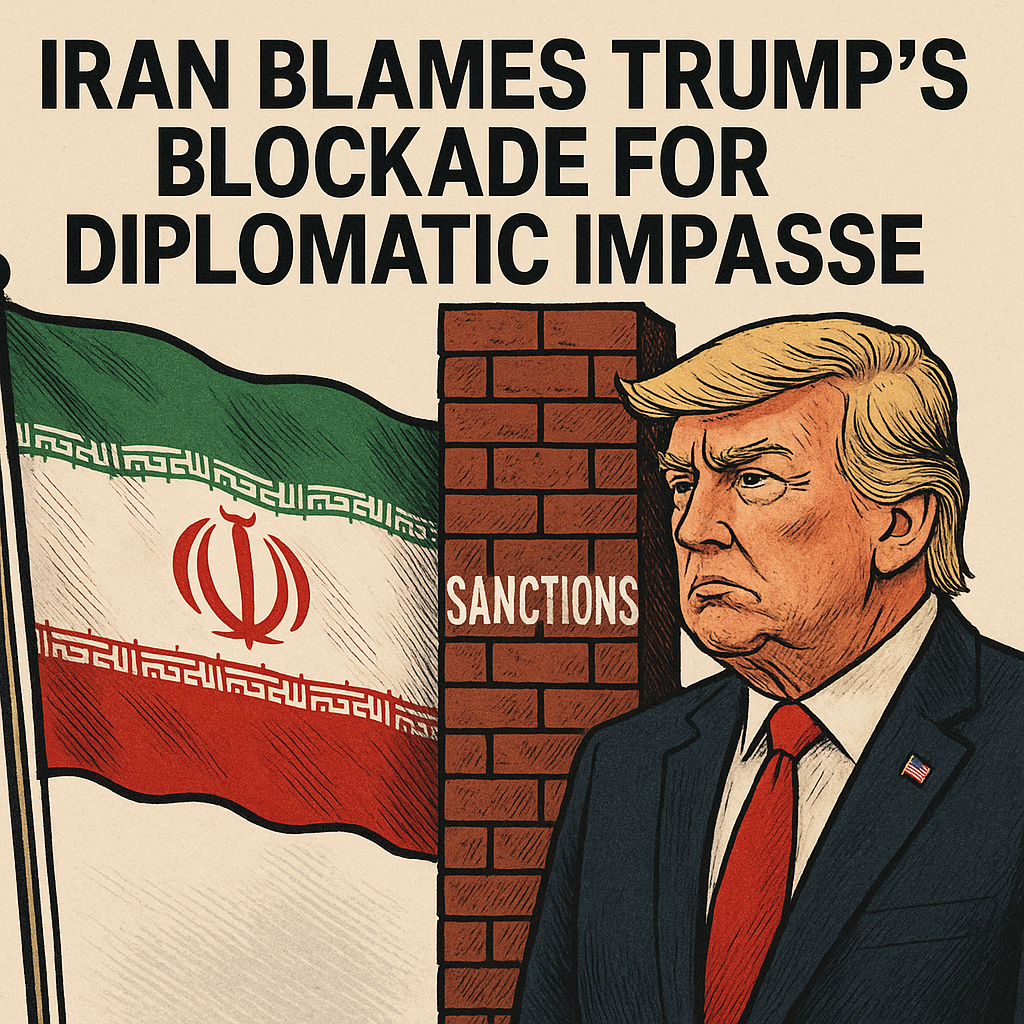
Iran is pointing the finger at Trumps blockade, claiming its a key reason behind their ongoing diplomatic deadlock. As the nation grapples with economic strain and the fallout from these sanctions, the path to meaningful discussions seems more challenging than ever.
Discover why experts believe Trumps Iran strategy is not just flawed, but could spell disaster for both the U.S. and the Middle East—watch the eye-opening analysis now!
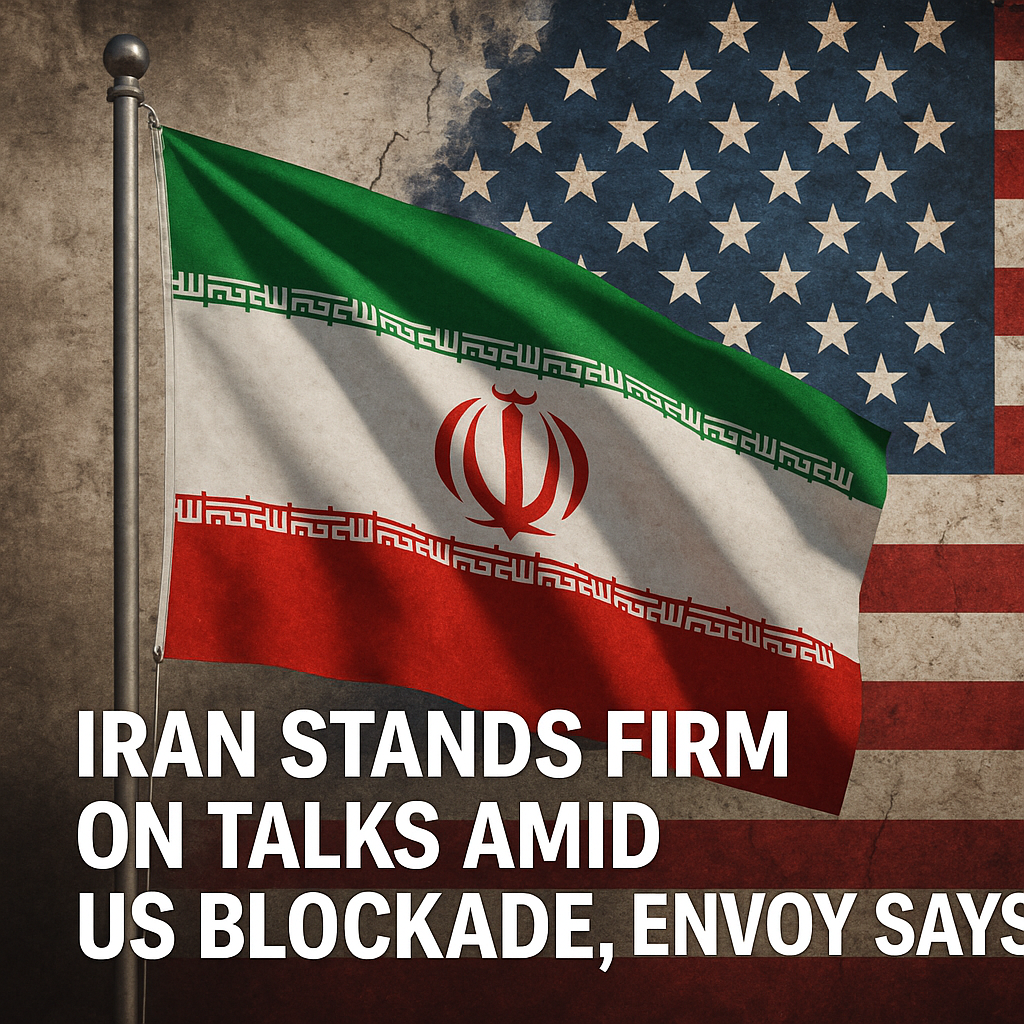
Iran is standing strong in its negotiations, defying U.S. sanctions with a steadfast commitment to dialogue, proving that resilience can thrive even under pressure. Join us as we explore how this bold stance shapes the complex landscape of international diplomacy!
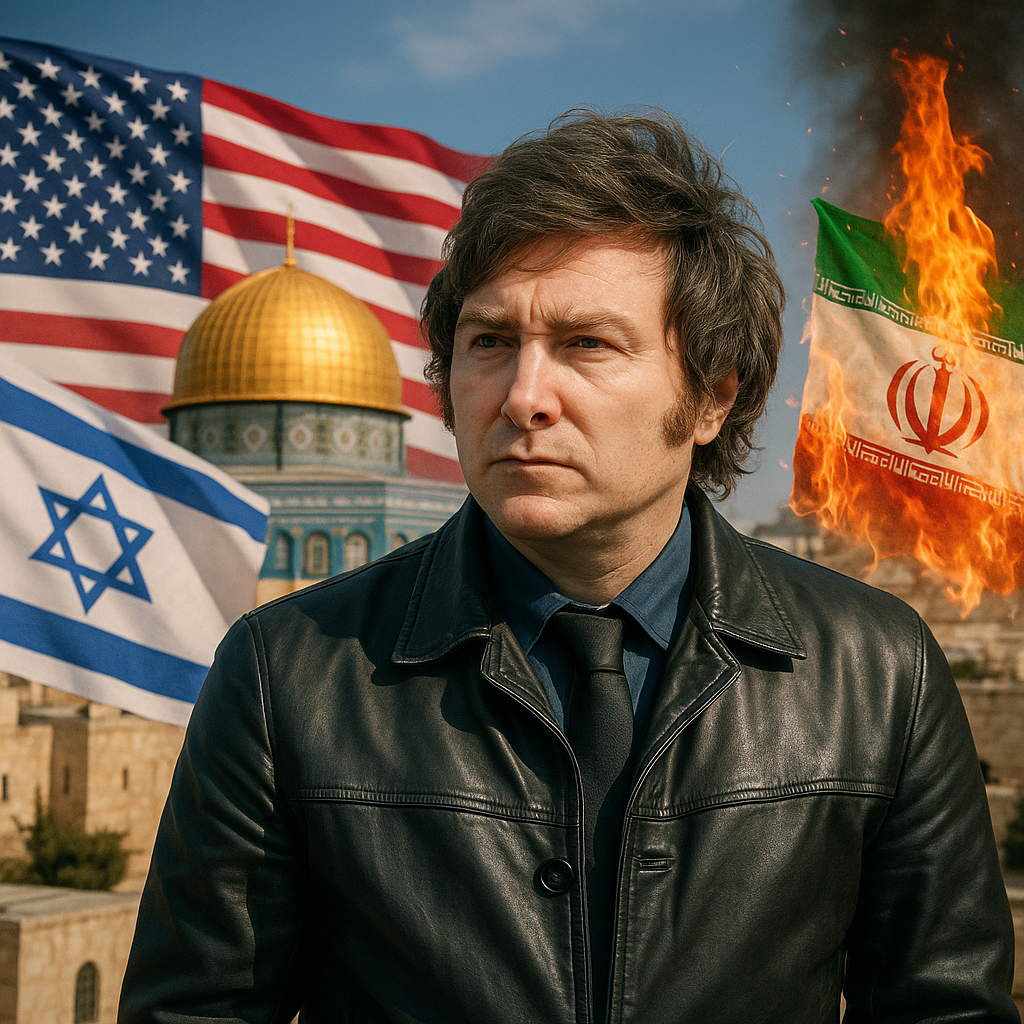
Javier Mileis recent endorsement of U.S. and Israeli actions against Iran during his visit to Jerusalem showcases his bold approach to foreign policy, positioning Argentina firmly in the global spotlight. As tensions rise in the Middle East, his unwavering support invites both intrigue and debate about the future of international alliances.
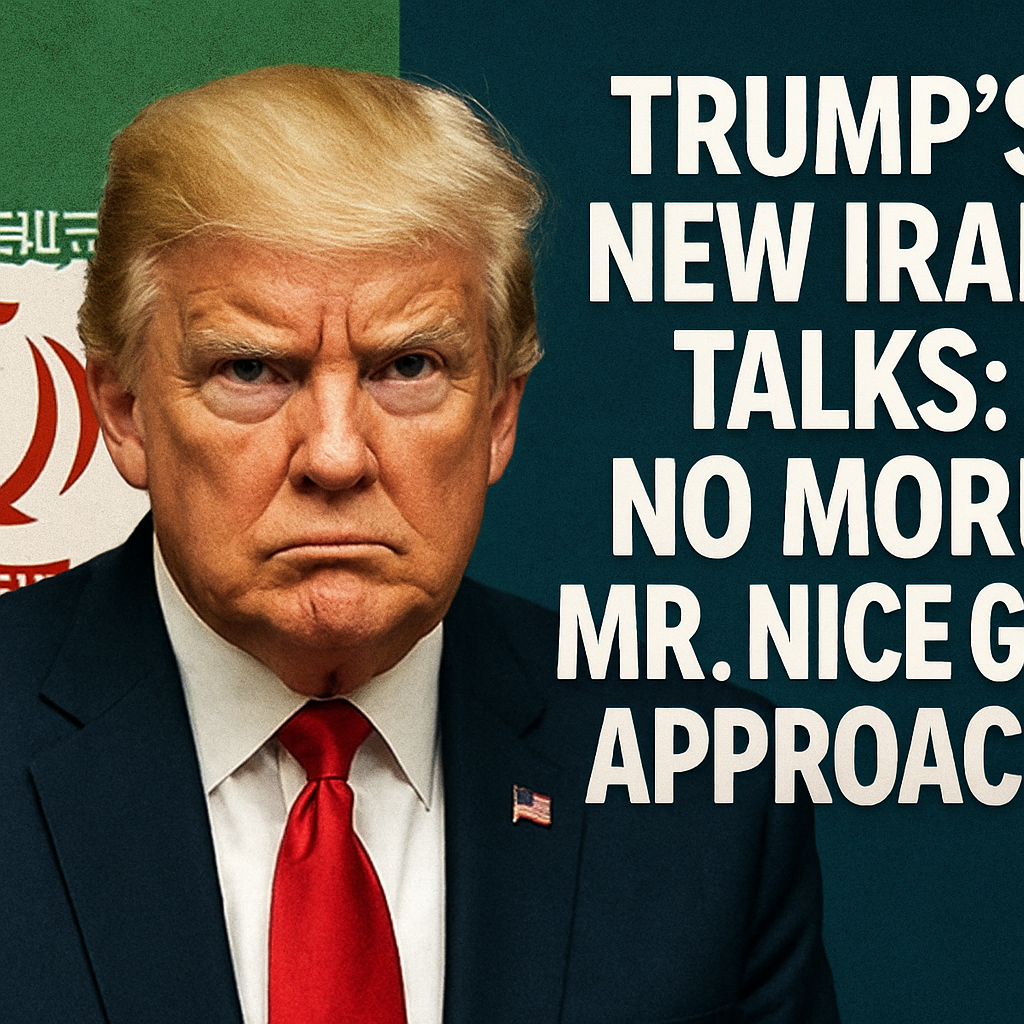
Trumps pivot on Iran talks—with a no more Mr. Nice Guy mantra—signals a bold shift in U.S. diplomacy that could reshape international relations. As tensions rise and the nuclear clock ticks, this new strategy promises to stir up both support and controversy as we head toward 2024.
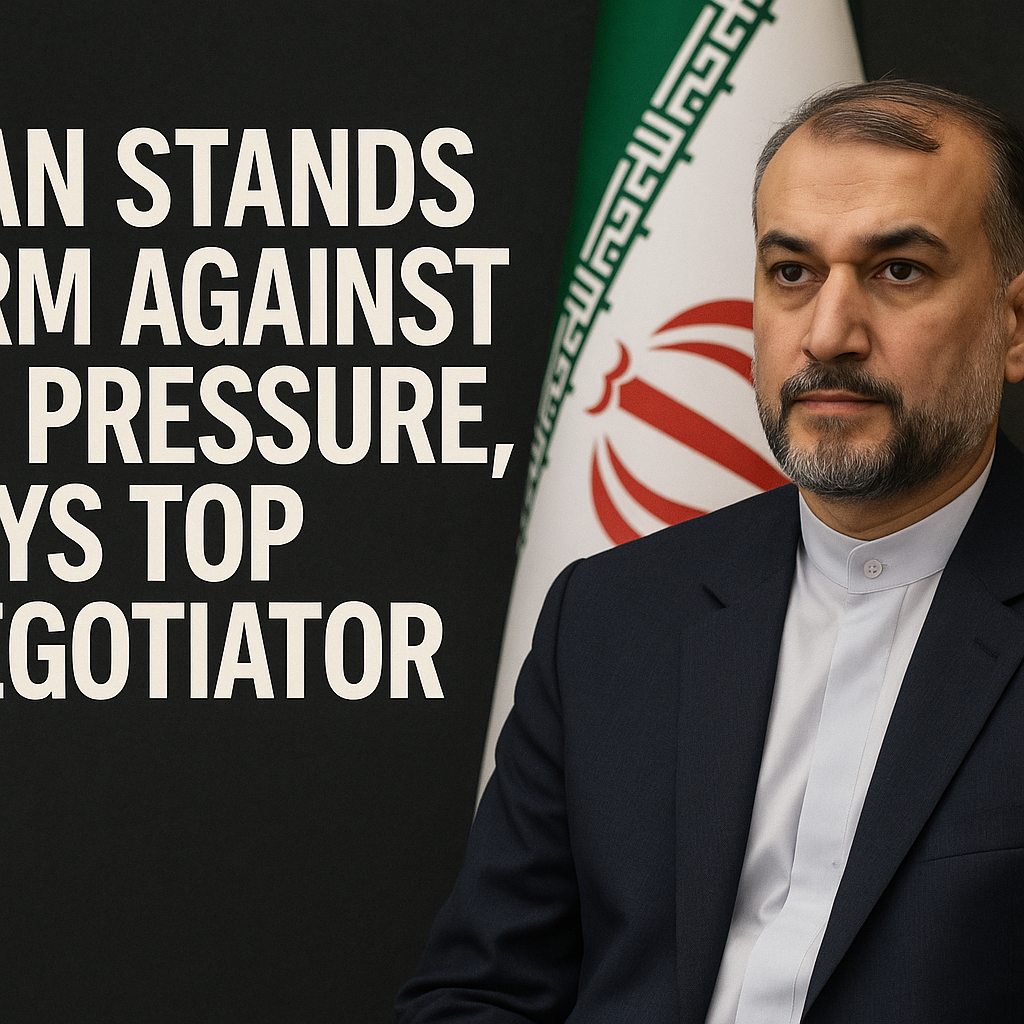
Iran is standing resolute against US pressure, with top negotiators boldly asserting that threats and sanctions won’t shake their commitment to sovereignty. As tensions rise, this defiance not only shapes their future but reverberates across the geopolitical landscape.
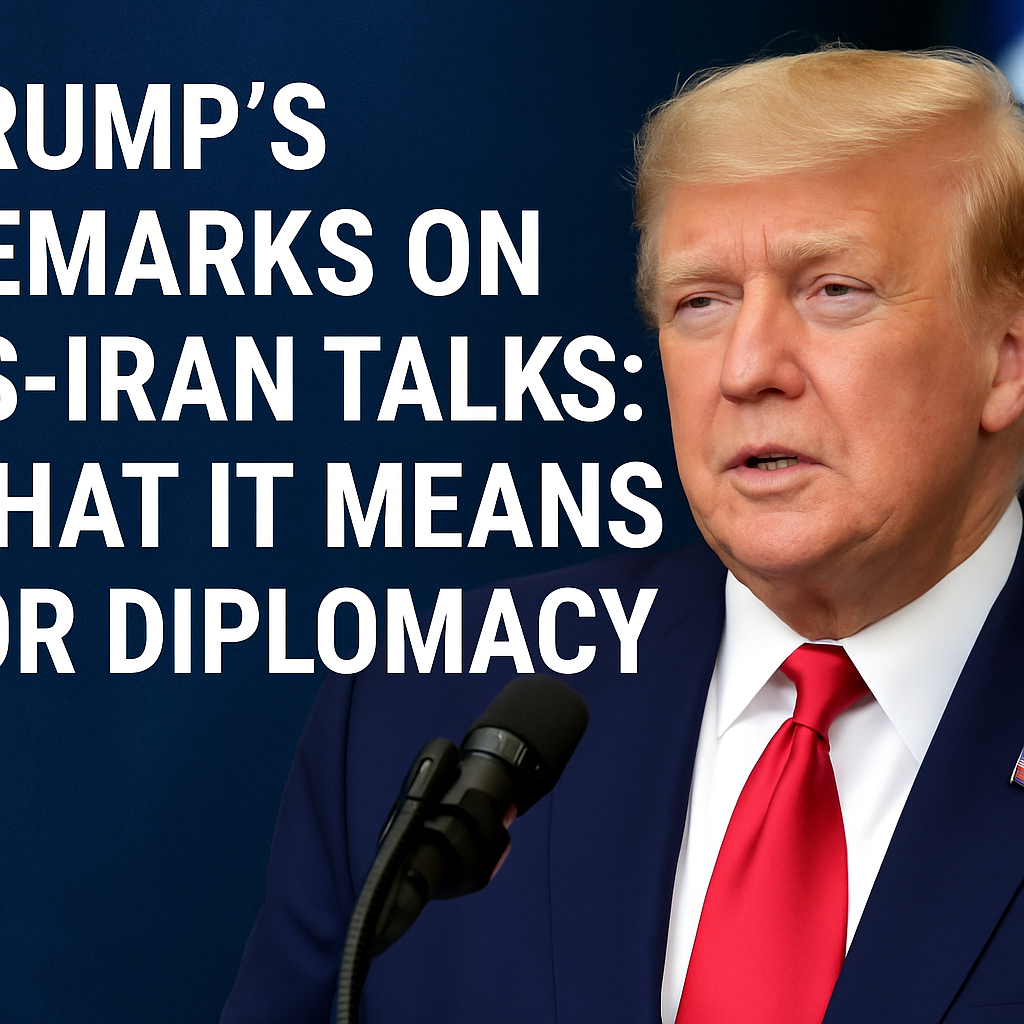
Former President Trumps recent remarks hint at a possible dialogue with Iran, sparking renewed hope and skepticism about U.S.-Iran relations. Could this be the key to unlocking a more stable Middle East, or just another twist in a long saga of diplomatic tensions?
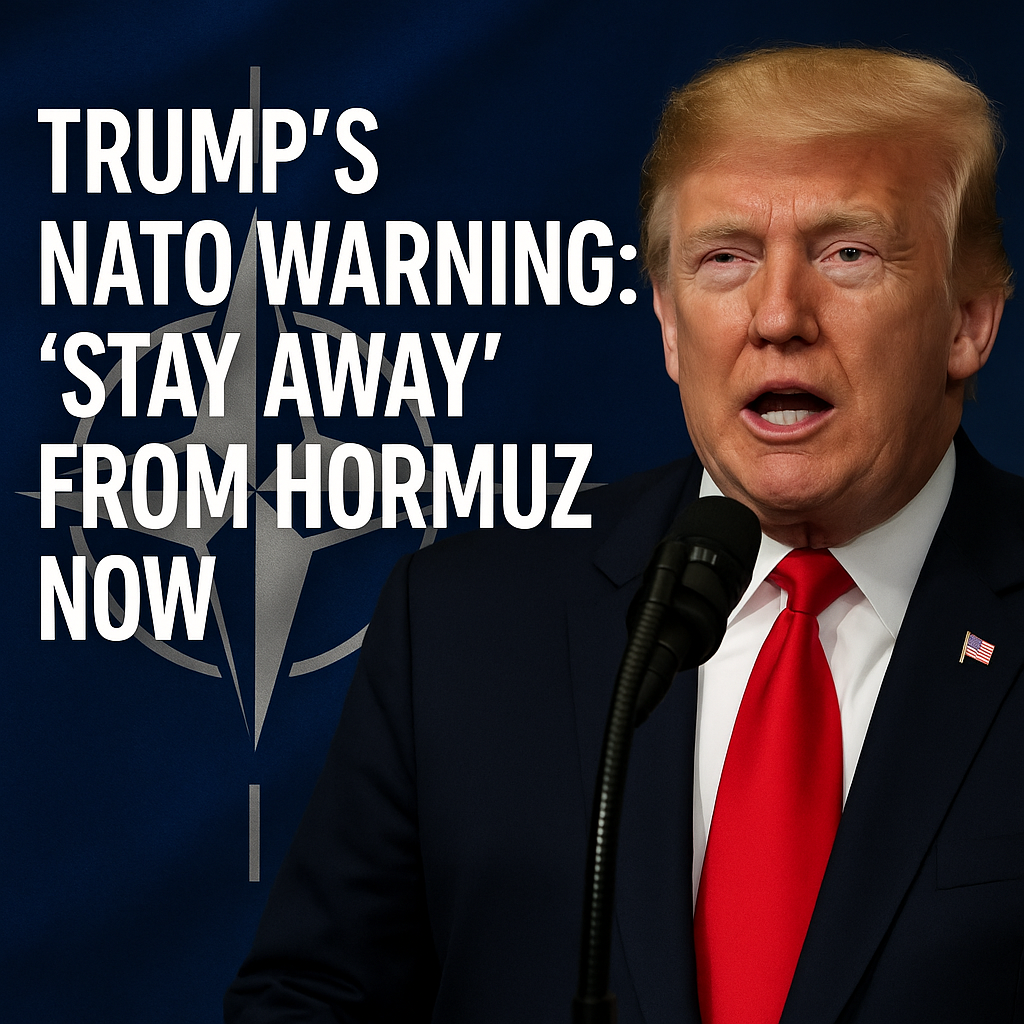
In a bold statement, former President Trump advises NATO to stay away from the Strait of Hormuz, sparking a heated debate on military strategy and international alliances. What do you think—should NATO focus on its European roots, or is a presence in the Middle East essential for global stability?