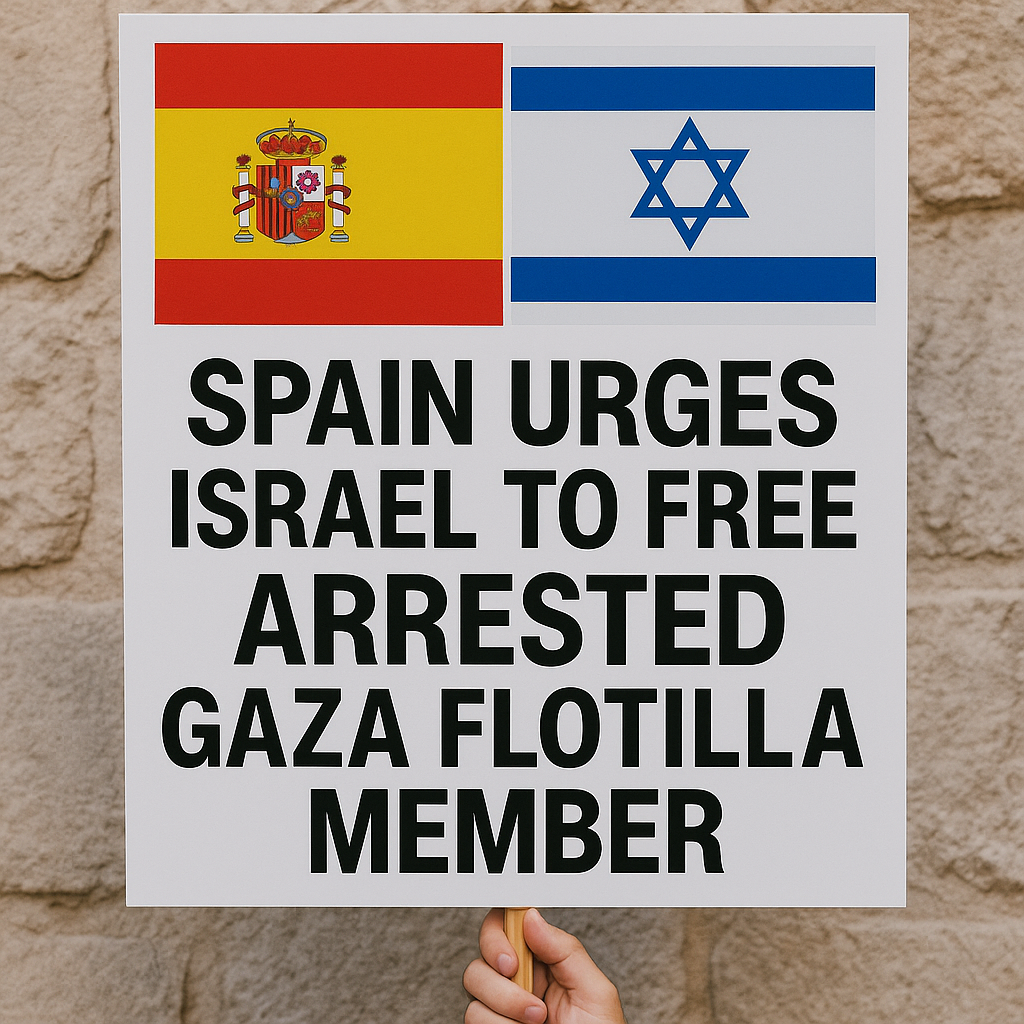
Spain is calling on Israel to release a detainee from the Gaza flotilla, sparking renewed conversations about humanitarian efforts and the importance of free movement in these challenging times. This bold stance showcases Spains commitment to advocating for international humanitarian laws and fostering dialogue over conflict.
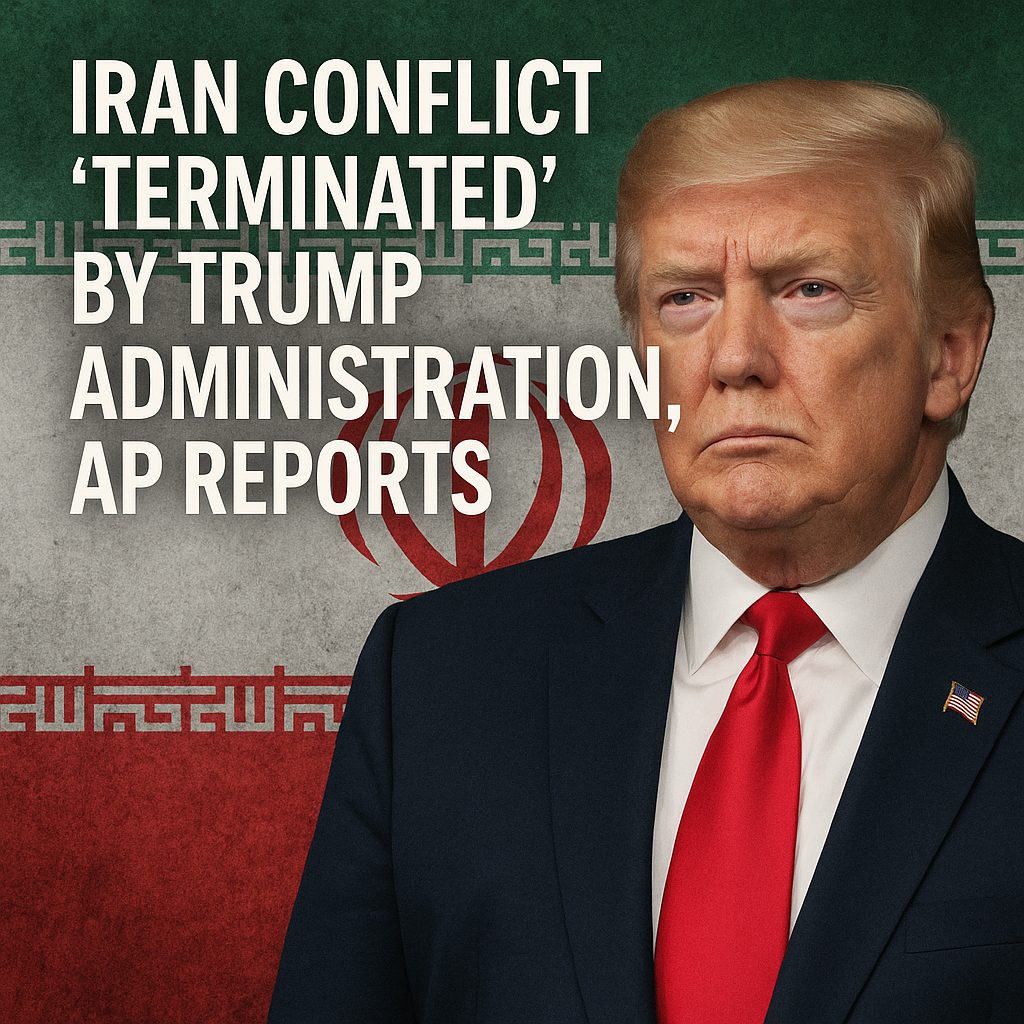
The recent declaration of the Iran conflict being terminated by the Trump administration has sparked intriguing conversations about foreign policy and its lasting implications. Join us as we dive into the contrasting views that shape U.S.-Iran relations today!
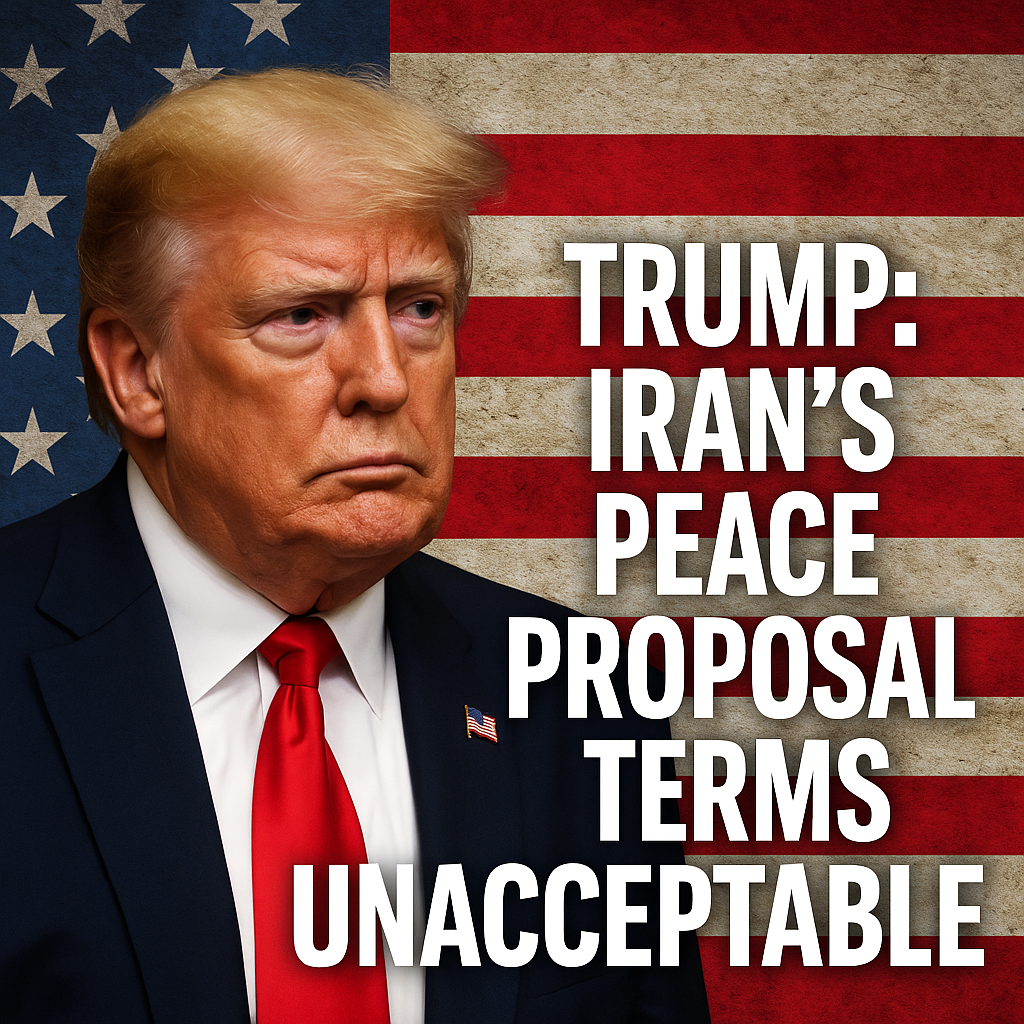
In a bold move that highlights ongoing tensions, Donald Trump has labeled Irans peace proposal terms as unacceptable, reigniting the complex dialogue around U.S.-Iran relations. As both countries grapple with differing views on diplomacy, the stakes for regional stability couldnt be higher!
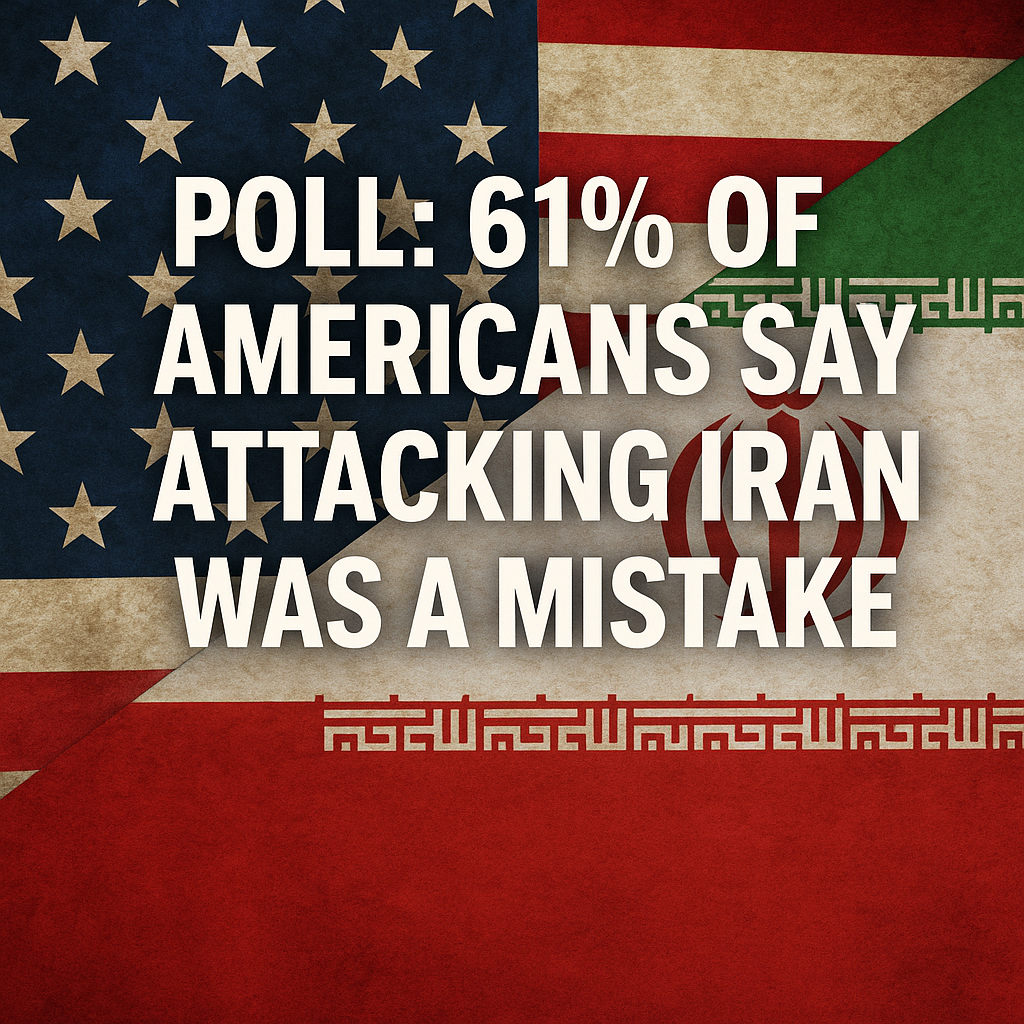
A striking 61% of Americans now believe attacking Iran was a mistake, reflecting a growing desire for a more cautious approach to military engagements. As concerns over human costs and national security mount, public sentiment is clearly shifting away from interventionist policies.
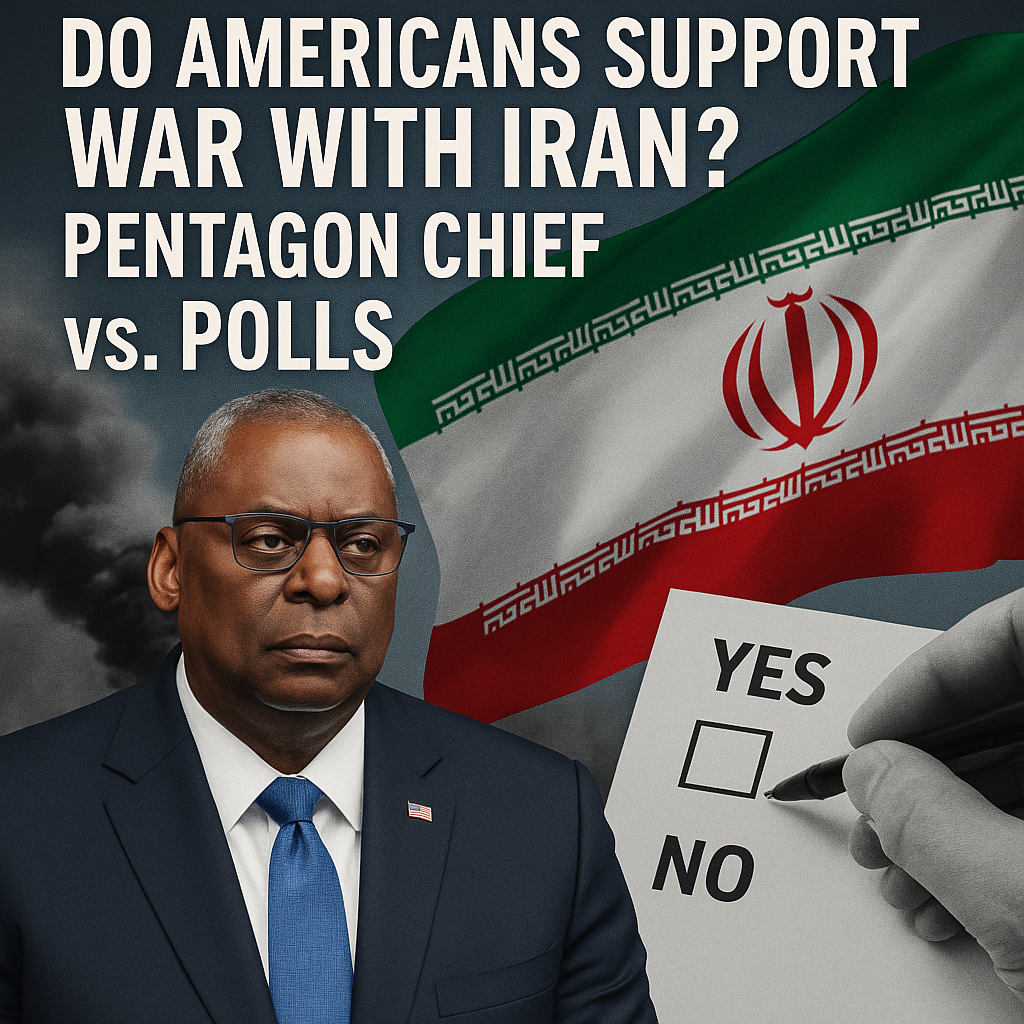
As tensions rise between the U.S. and Iran, a striking disconnect emerges: while Pentagon leaders advocate for military readiness, a significant majority of Americans lean toward diplomacy over conflict. Discover why public sentiment may not align with the governments tough talk on war.
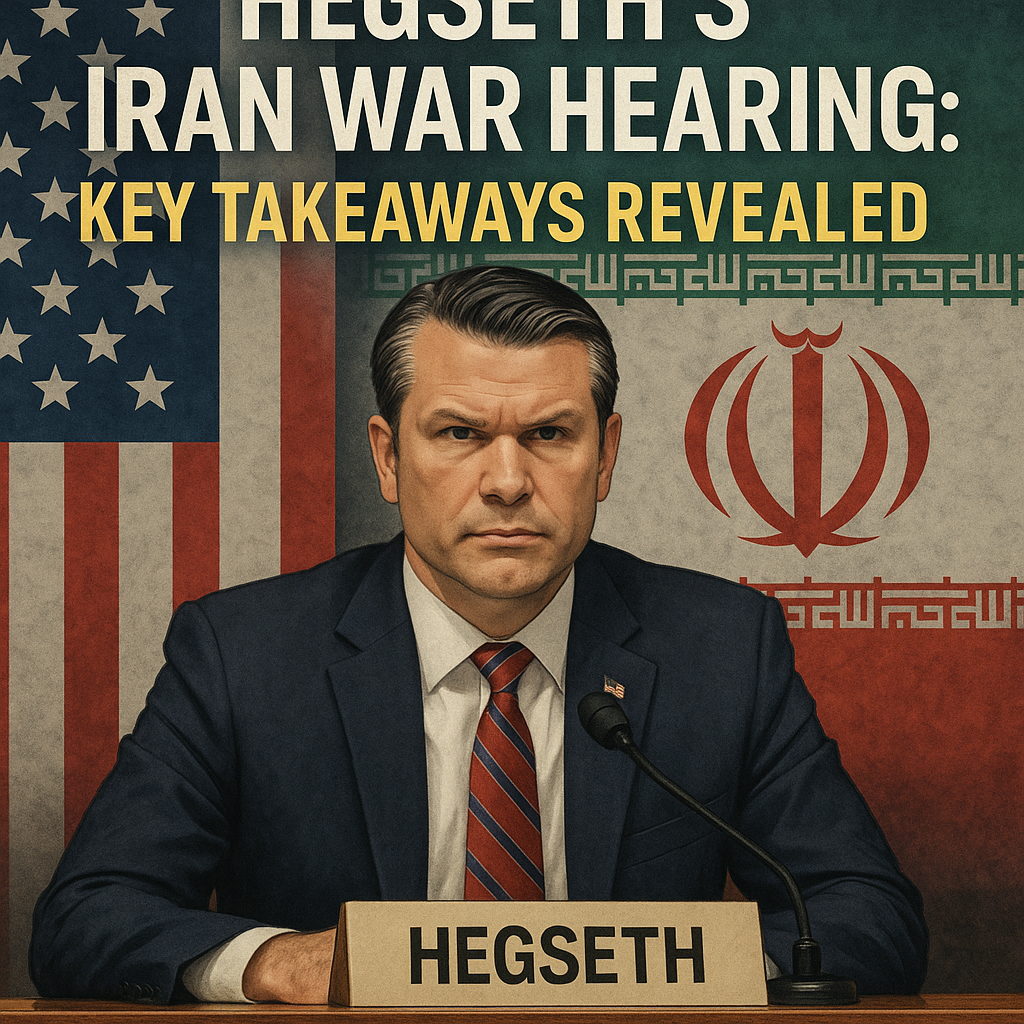
Join the conversation on the critical insights from Hegseths Iran War Hearing, where the future of U.S. military strategy and regional stability hangs in the balance—are we prepared for the challenges ahead?
As Donald Trumps approval ratings wane, he’s mulling an extended blockade on Iran to assert his foreign policy strength—could this controversial move rally support at home or risk alienating moderate voters? Dive in to explore the complex implications of this potential pivot!
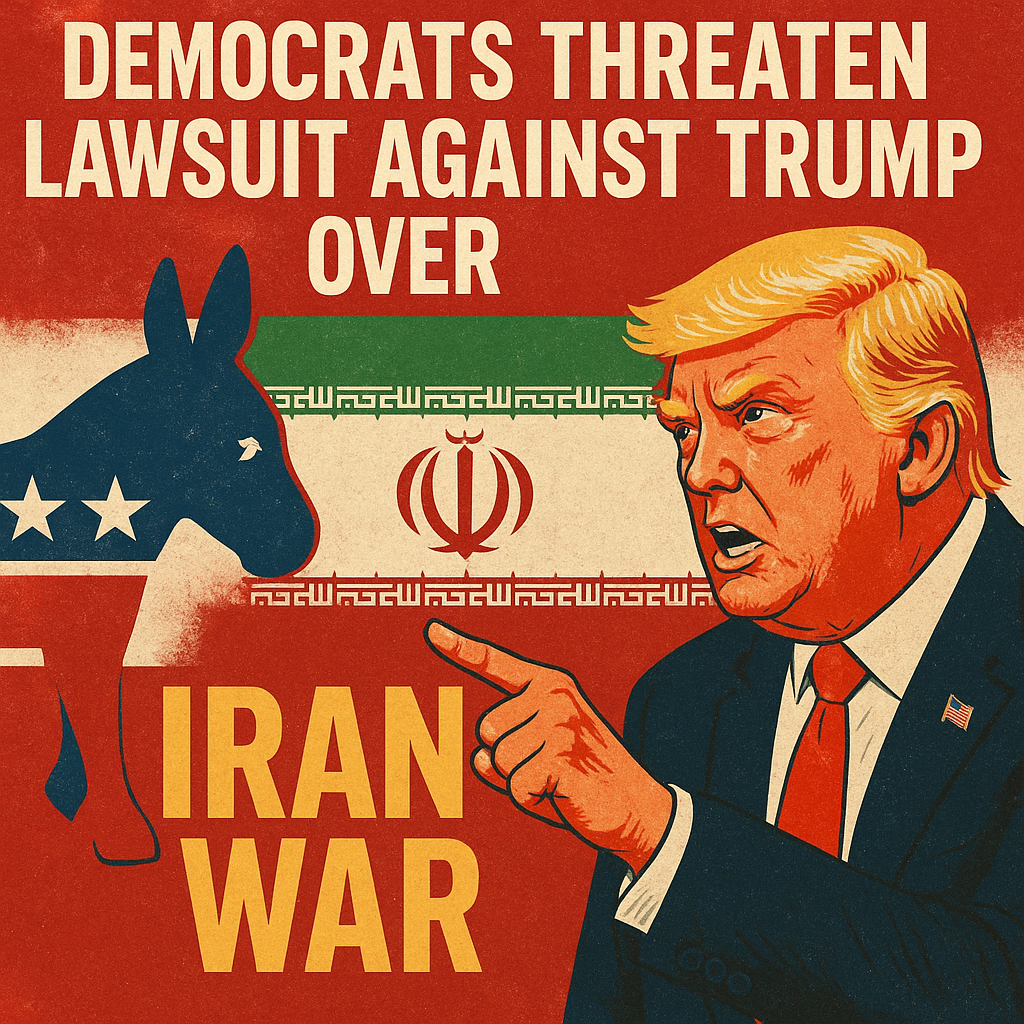
As tensions rise over U.S. military involvement in Iran, Democrats are gearing up to challenge former President Trump with a potential lawsuit, igniting a fierce debate about the balance of power in military decisions. Senate Majority Leader Chuck Schumer warns that failing to act could threaten Congresss role in future military engagements—do we let one person decide our actions abroad?
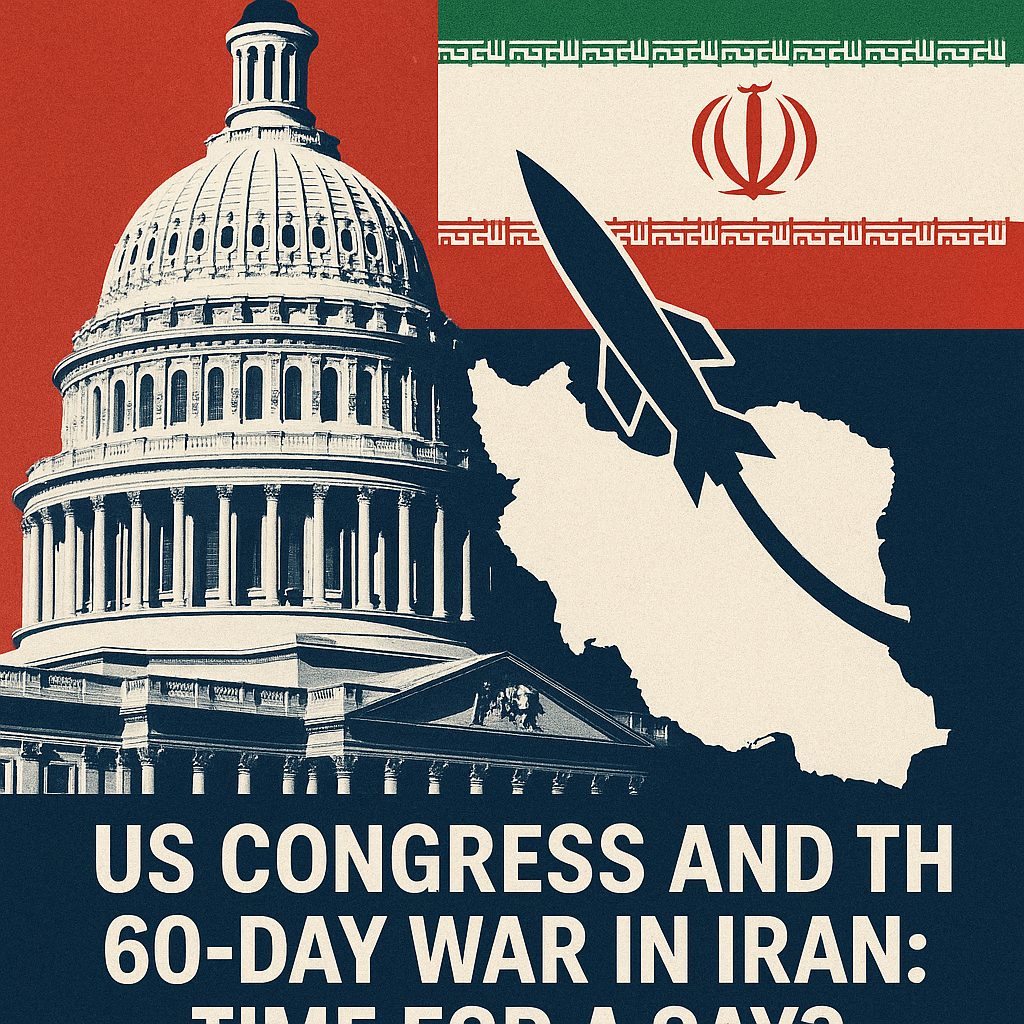
As the conflict in Iran stretches into its sixtieth day, the question looms larger: should Congress take the reins on military engagement? With voices from both sides of the aisle calling for a vital check on executive power, it’s time to dive into this critical conversation about democracy and accountability in foreign policy.
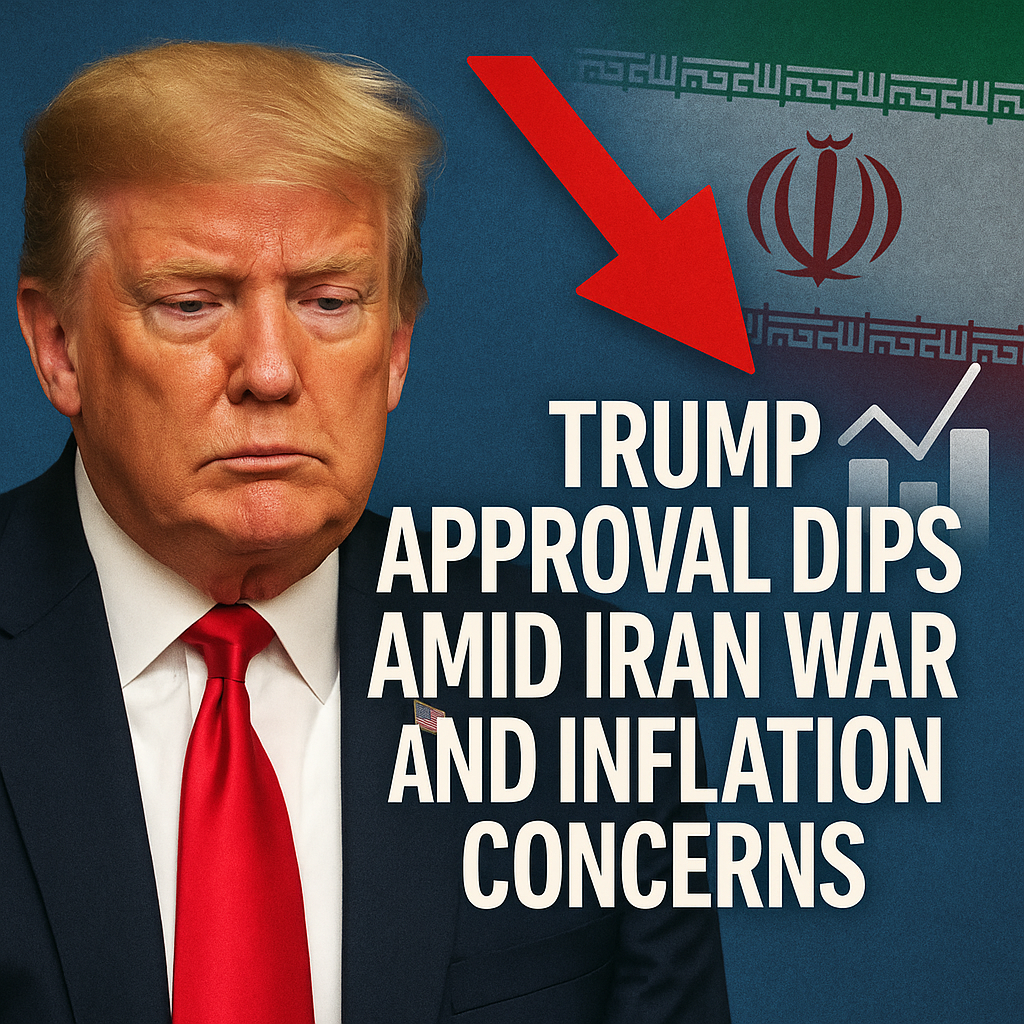
Trumps approval ratings are slipping as rising inflation and the Iran conflict present new challenges, leaving many voters questioning his leadership in turbulent times. With national security concerns at the forefront, the stakes are higher than ever as Americans weigh past decisions against present realities.