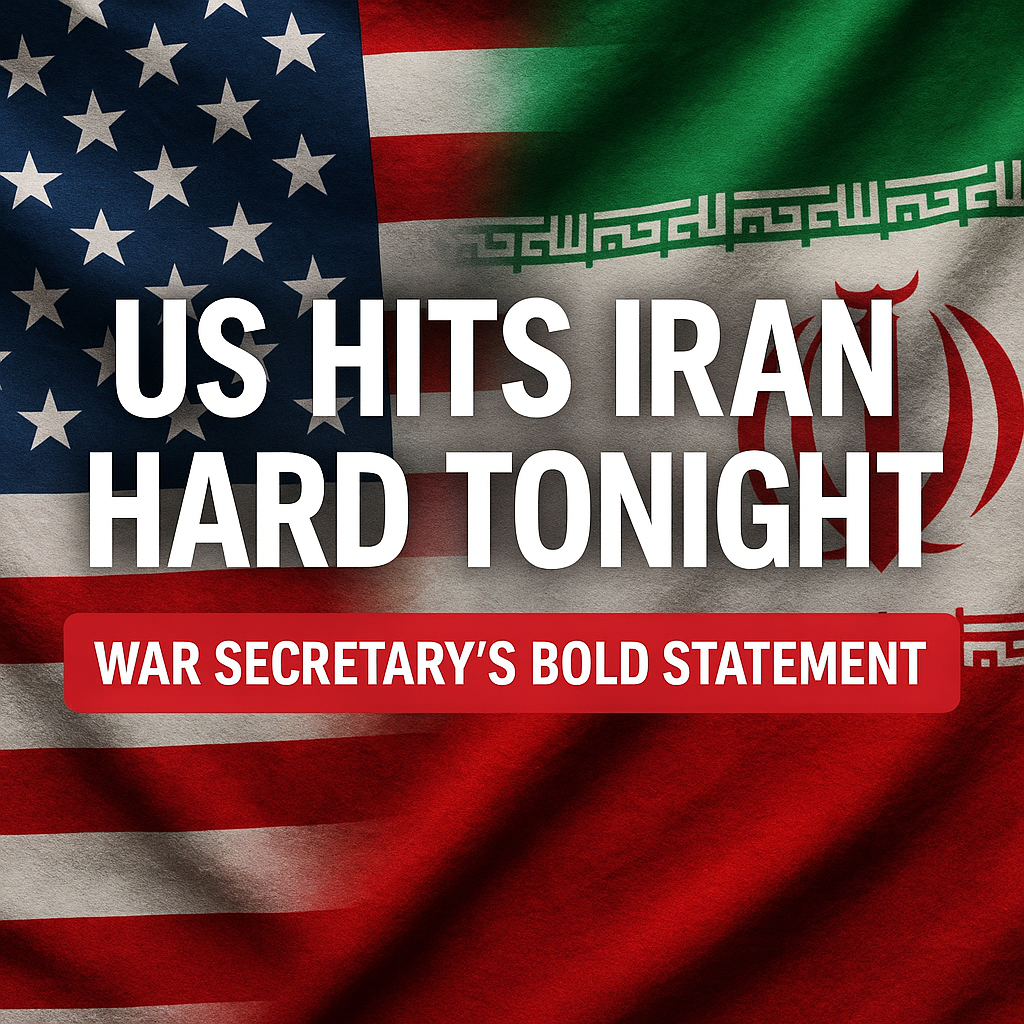
Tensions are on the rise as the War Secretary boldly declares the US will hit Iran hard, signaling a pivotal moment in the ongoing geopolitical struggle. As both nations stand at a crossroads, the implications of these remarks could reshape not only military strategies but also global alliances.
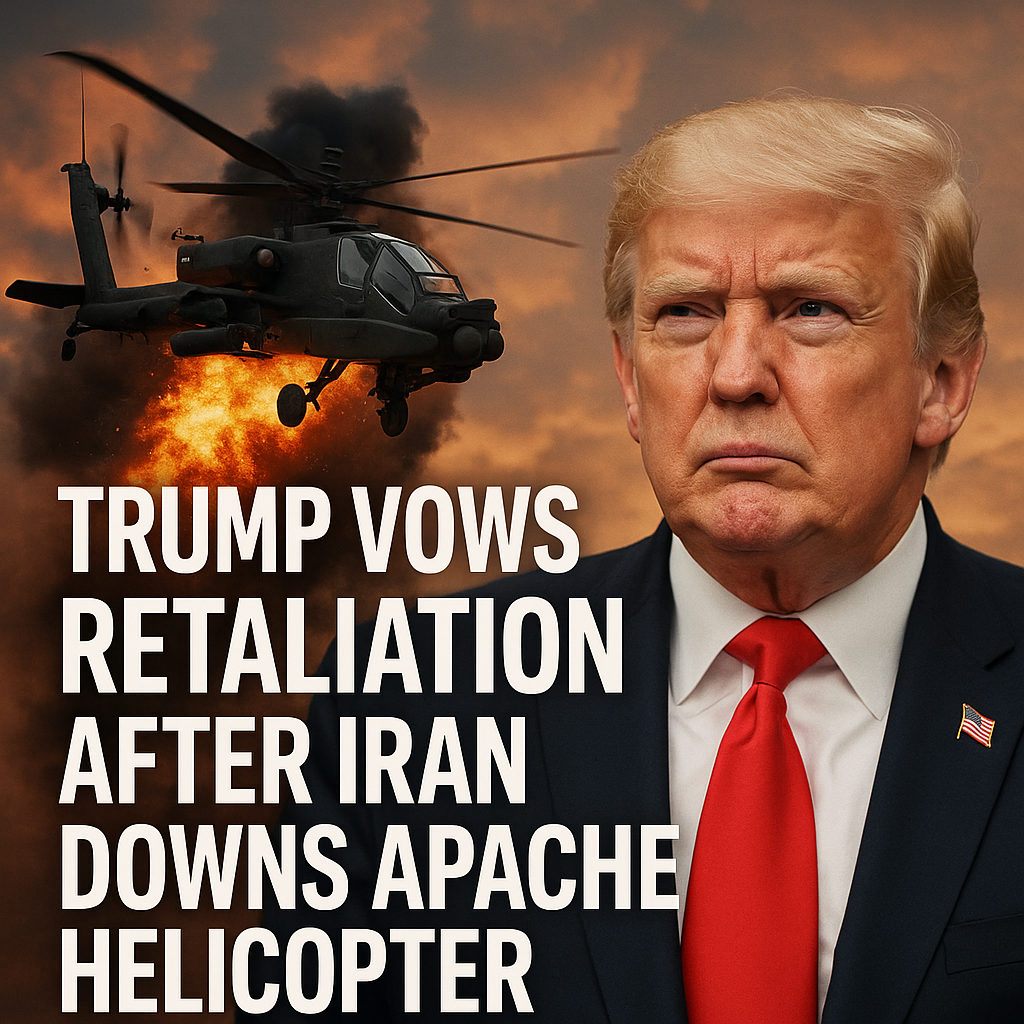
Trumps bold promise of retaliation after Irans downing of an Apache helicopter adds a thrilling twist to the already complex U.S.-Iran saga—where every move carries weight in the game of international diplomacy. How will this escalating tension shape the future of global relations?
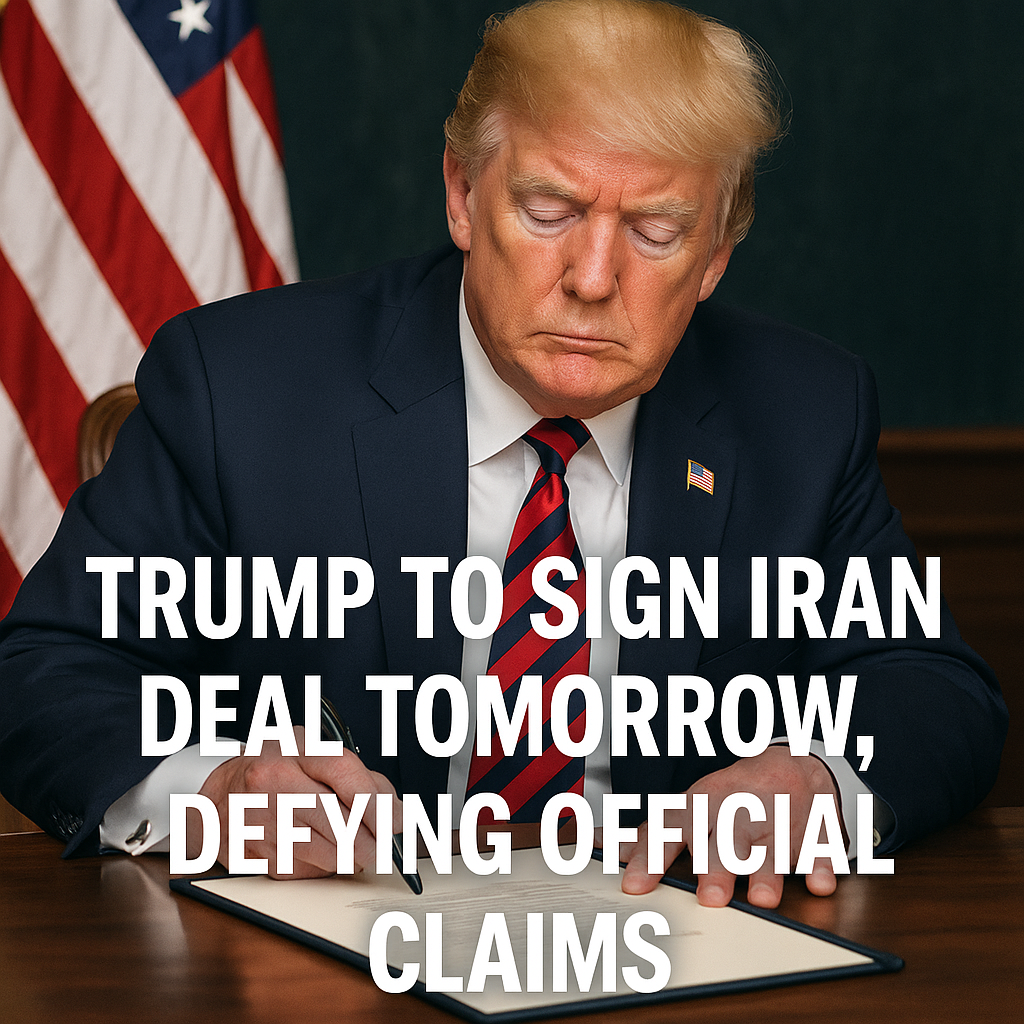
In a bold declaration on June 9, 2026, former President Trump committed to a decisive response following Irans downing of a U.S. helicopter, labeling it an act of aggression that demands action to protect American interests in a tense global landscape. As the situation unfolds, the stakes couldnt be higher for both U.S.-Iran relations and regional stability!
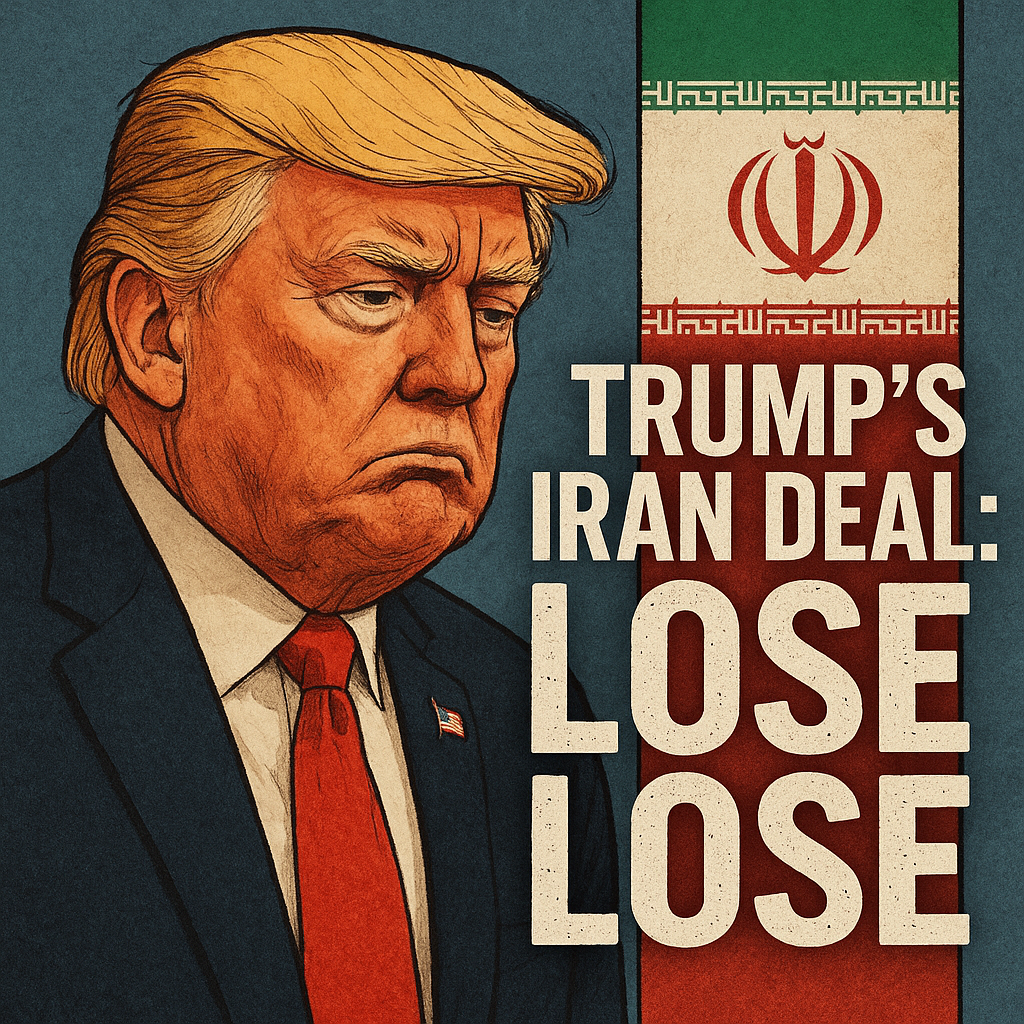
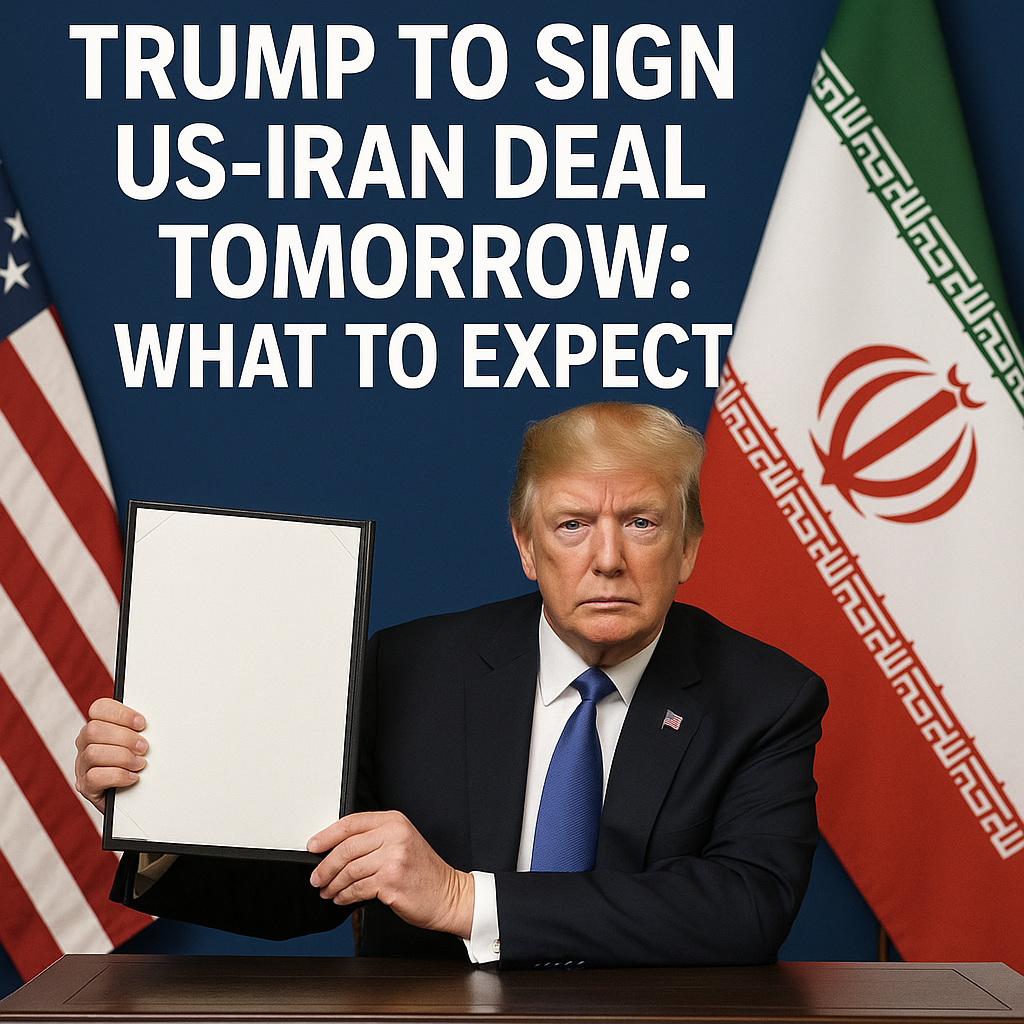
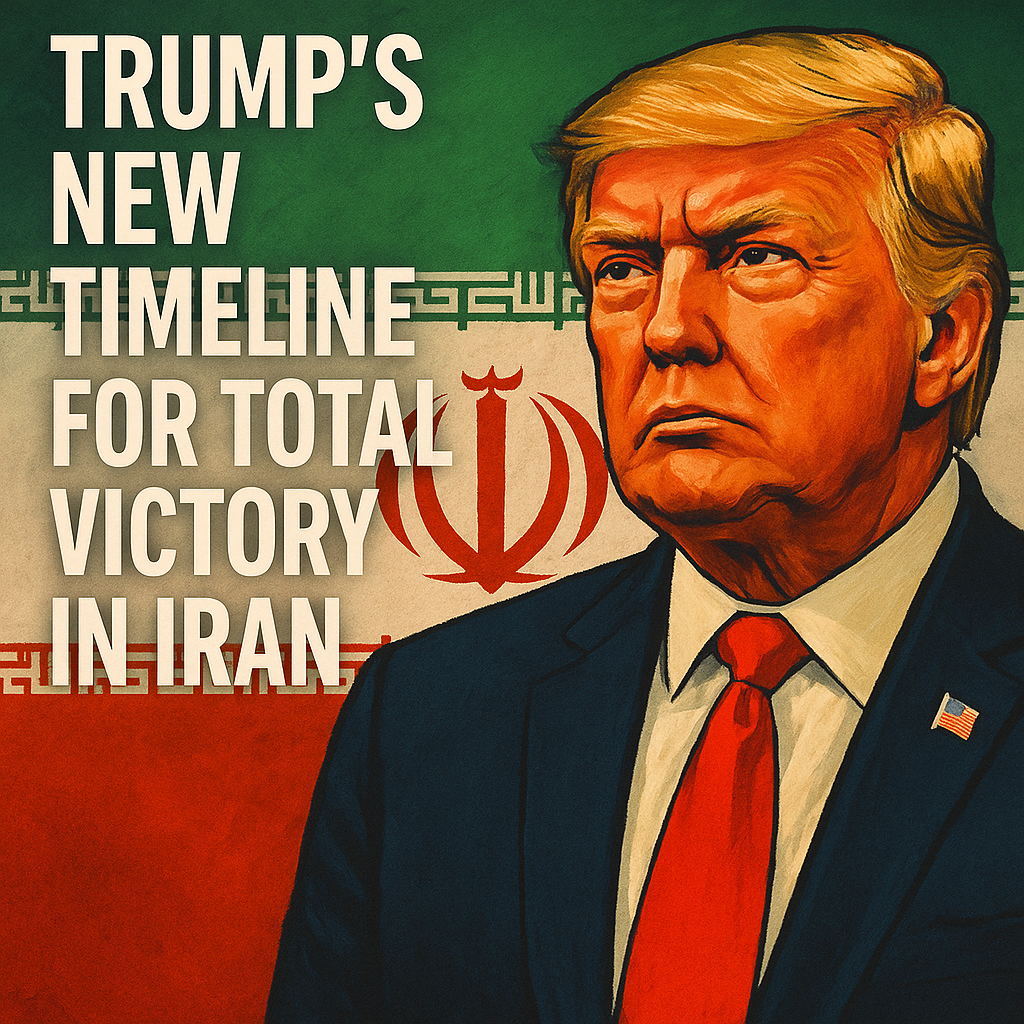
Former President Trump is back with a bold plan for total victory in Iran, promising tougher tactics against nuclear ambitions that aim to resonate with his supporters. But as he navigates the complexities of international relations, critics warn that his hardline approach might do more harm than good.
In a surprising turn of events, former President Trump is shaking up U.S.-Israeli relations with bold threats to withdraw support for Netanyahu, raising eyebrows and questions about how this might reshape alliances in an already tense Middle East landscape. Will this fiery rhetoric bring about a much-needed strategy shift, or could it risk deepening instability?
A congressman is reviving the conversation around the controversial 1967 USS Liberty attack, urging for a thorough investigation that could finally bring closure to the families affected and shed light on enduring questions of accountability in U.S.-Israeli relations. This renewed push for transparency promises to stir up critical discussions about historical narratives and international diplomacy.
Former President Trump is eyeing the Chagos Islands, a remote and historically rich archipelago, stirring up a mix of curiosity and controversy around colonial legacies and international law. What could this mean for the future of U.S. military strategy and the fate of its displaced inhabitants?
As the Iran conflict drags on, Trump’s call for military support has hit a wall of skepticism, with many Americans favoring diplomacy over warfare. With public opinion divided and a growing demand for a focus on domestic issues, it’s clear that navigating these global tensions won’t be easy.
Activists recently shook up a military exhibit in Germany, shining a light on the controversial arms sales to Israel and igniting a vital discussion on ethics in the international arms trade. Their bold protest highlights the urgent need for accountability and the responsibility of nations in shaping a more humane foreign policy.
Tehran is making its stance clear following the U.S. airstrike on Qeshm Island, showcasing not only military readiness but a steadfast commitment to sovereignty. As tensions rise, Irans response is a rallying cry for allies in the region, highlighting a determined resistance against external aggression.