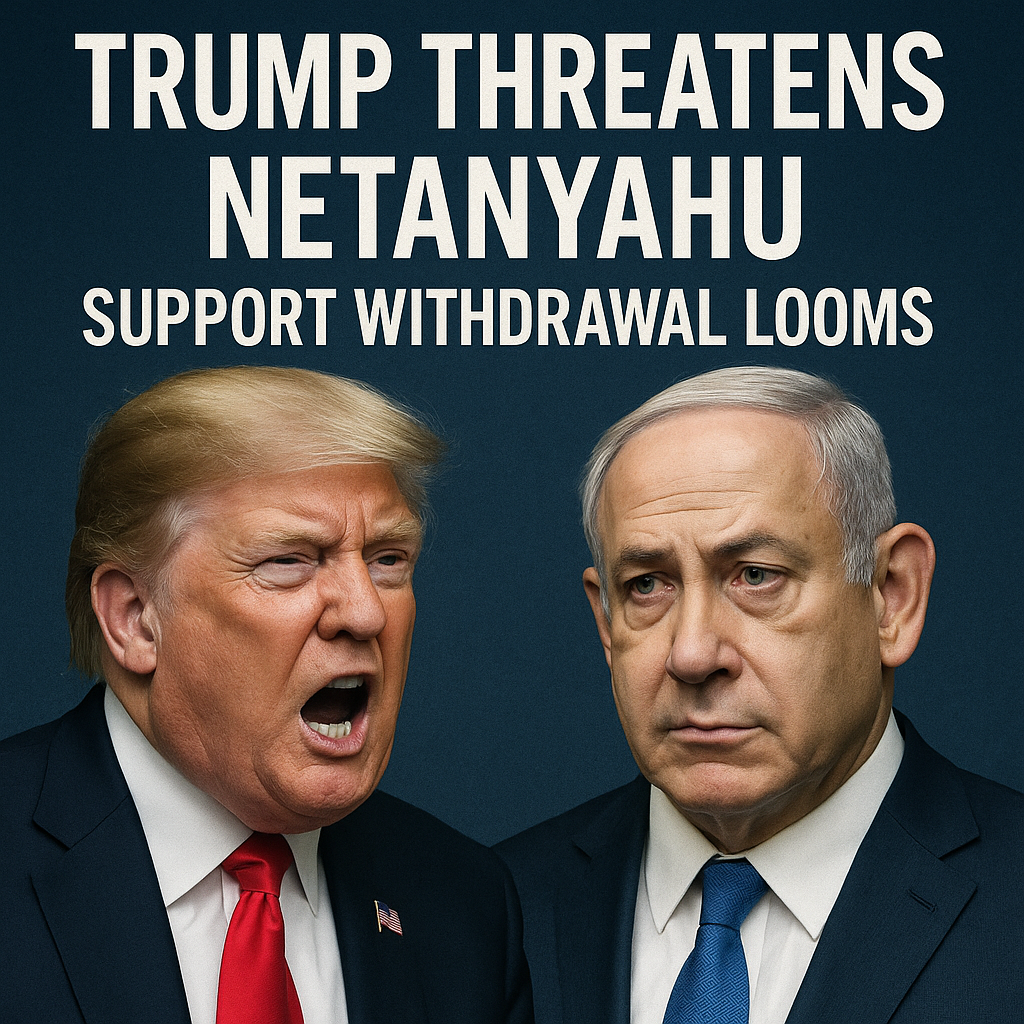
In a surprising turn of events, former President Trump is shaking up U.S.-Israeli relations with bold threats to withdraw support for Netanyahu, raising eyebrows and questions about how this might reshape alliances in an already tense Middle East landscape. Will this fiery rhetoric bring about a much-needed strategy shift, or could it risk deepening instability?
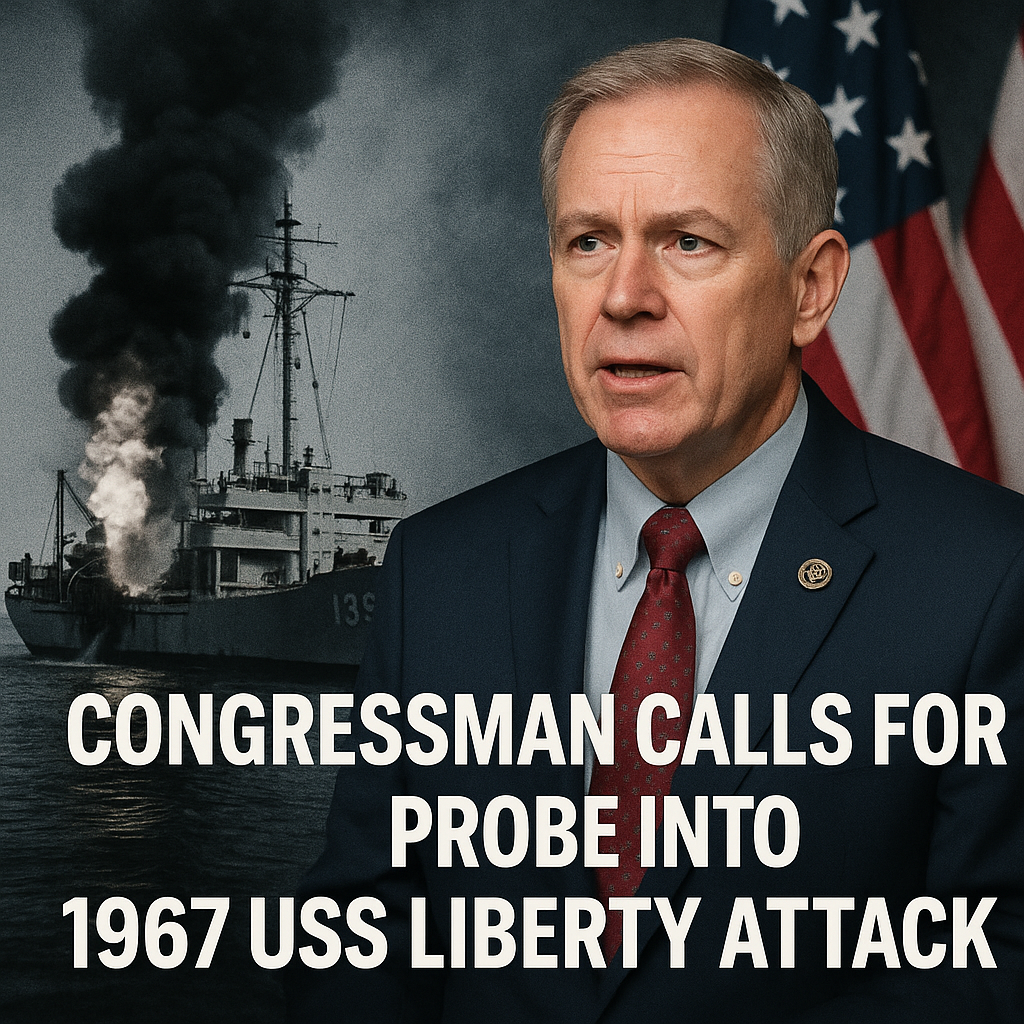
A congressman is reviving the conversation around the controversial 1967 USS Liberty attack, urging for a thorough investigation that could finally bring closure to the families affected and shed light on enduring questions of accountability in U.S.-Israeli relations. This renewed push for transparency promises to stir up critical discussions about historical narratives and international diplomacy.
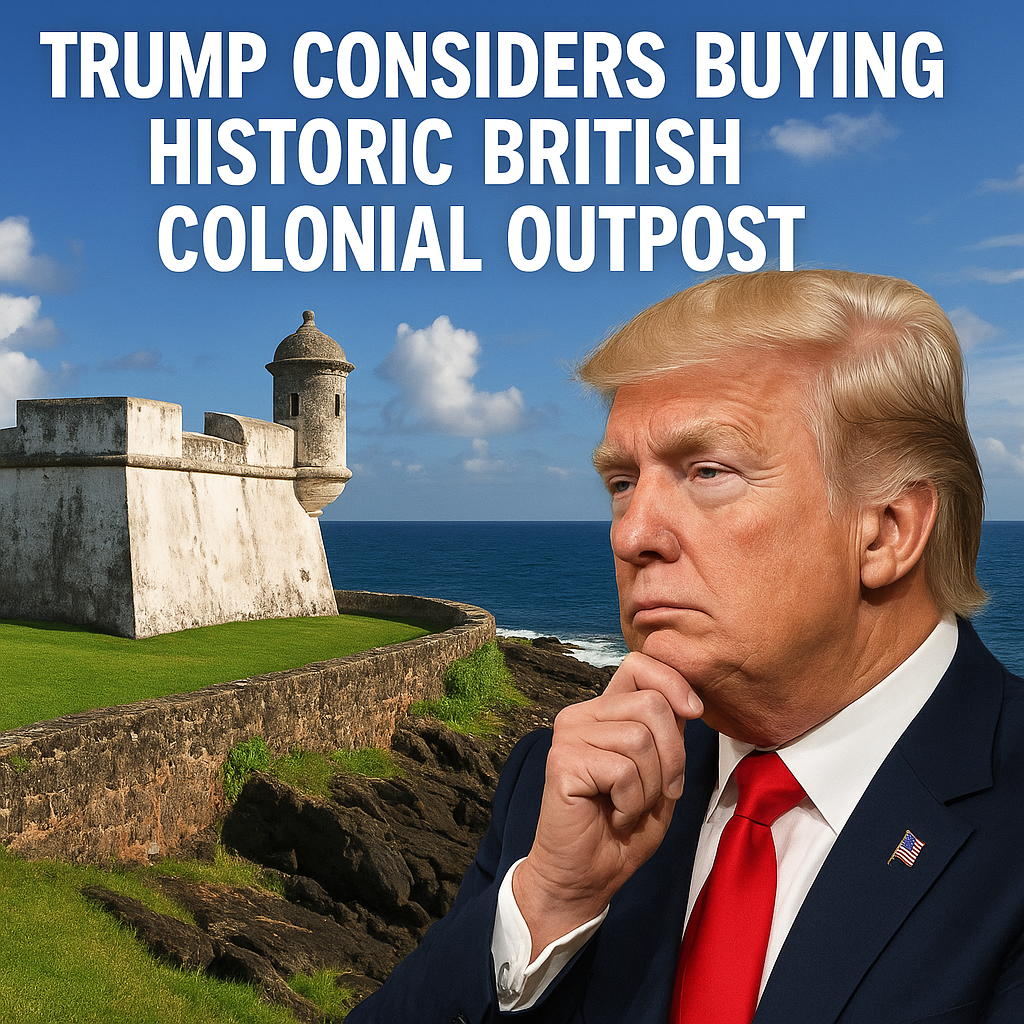
Former President Trump is eyeing the Chagos Islands, a remote and historically rich archipelago, stirring up a mix of curiosity and controversy around colonial legacies and international law. What could this mean for the future of U.S. military strategy and the fate of its displaced inhabitants?
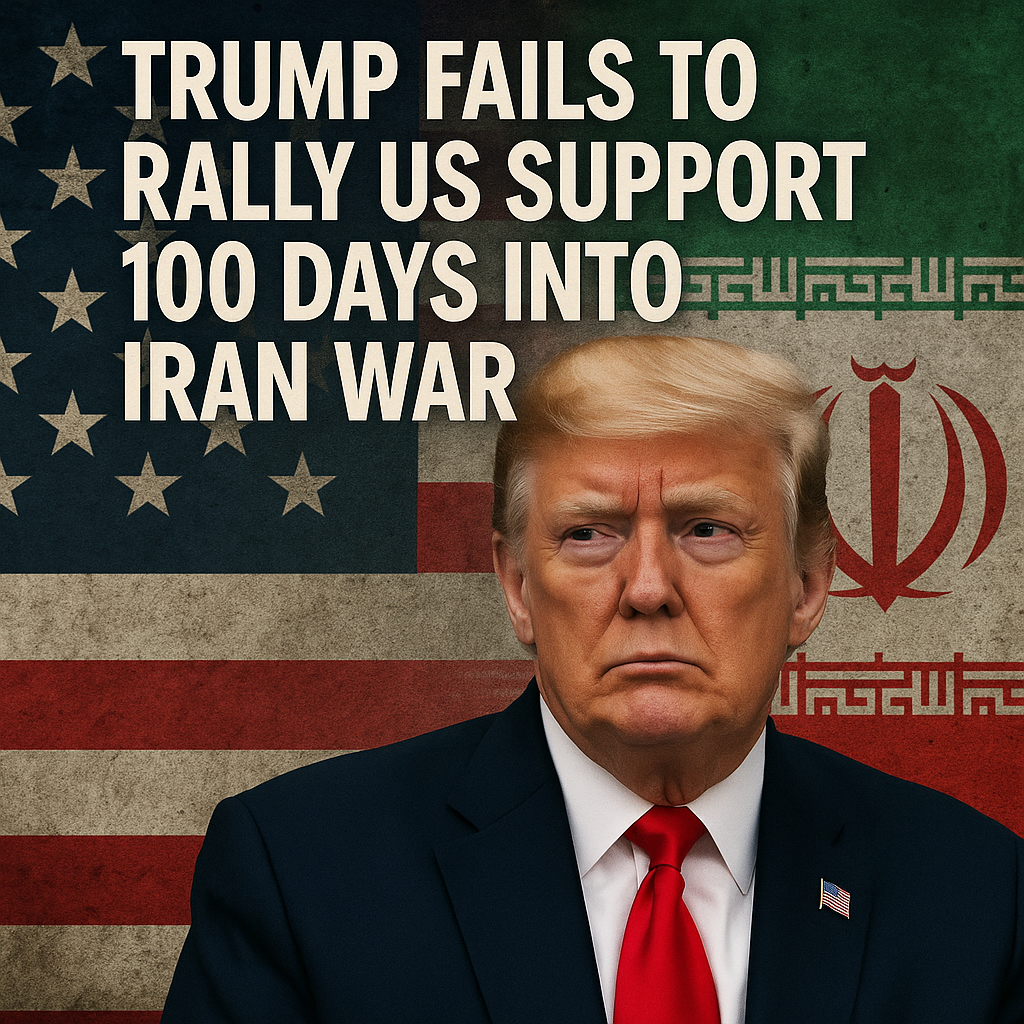
As the Iran conflict drags on, Trump’s call for military support has hit a wall of skepticism, with many Americans favoring diplomacy over warfare. With public opinion divided and a growing demand for a focus on domestic issues, it’s clear that navigating these global tensions won’t be easy.
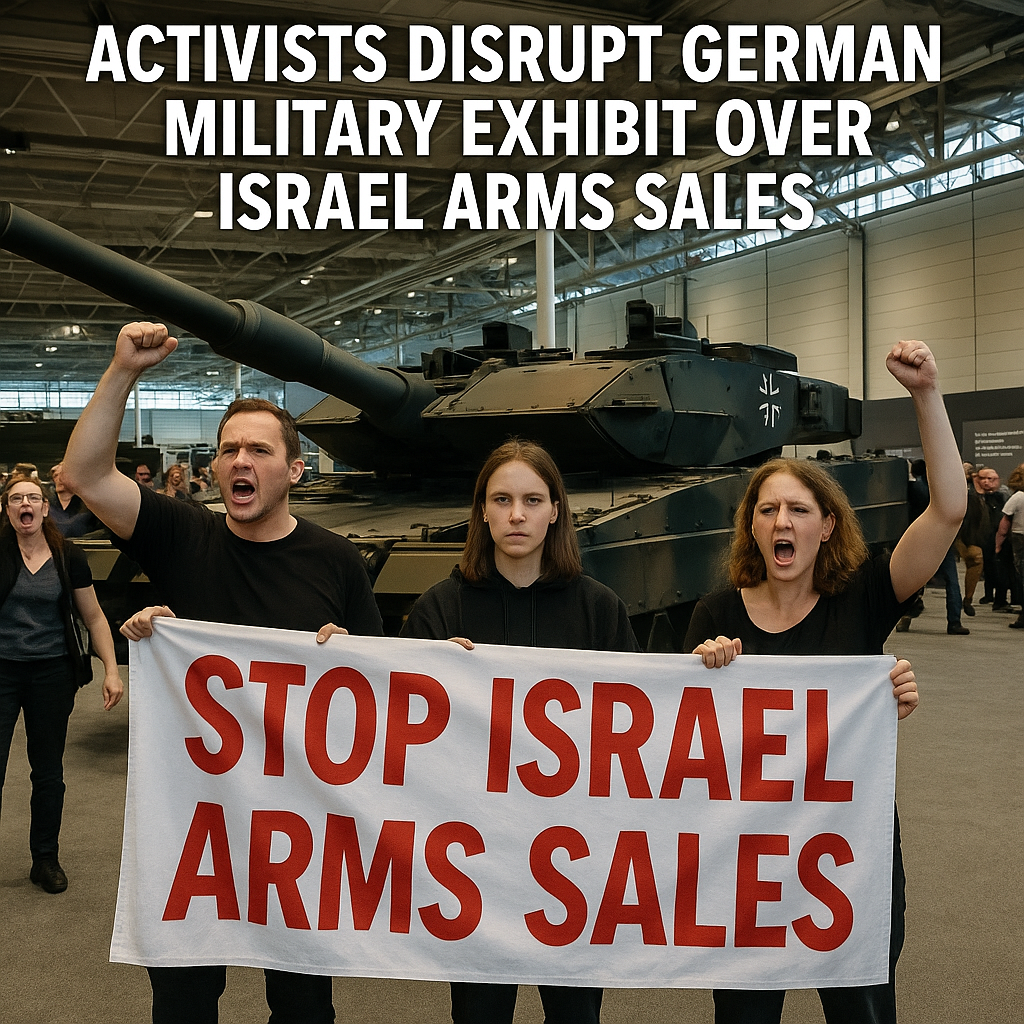
Activists recently shook up a military exhibit in Germany, shining a light on the controversial arms sales to Israel and igniting a vital discussion on ethics in the international arms trade. Their bold protest highlights the urgent need for accountability and the responsibility of nations in shaping a more humane foreign policy.
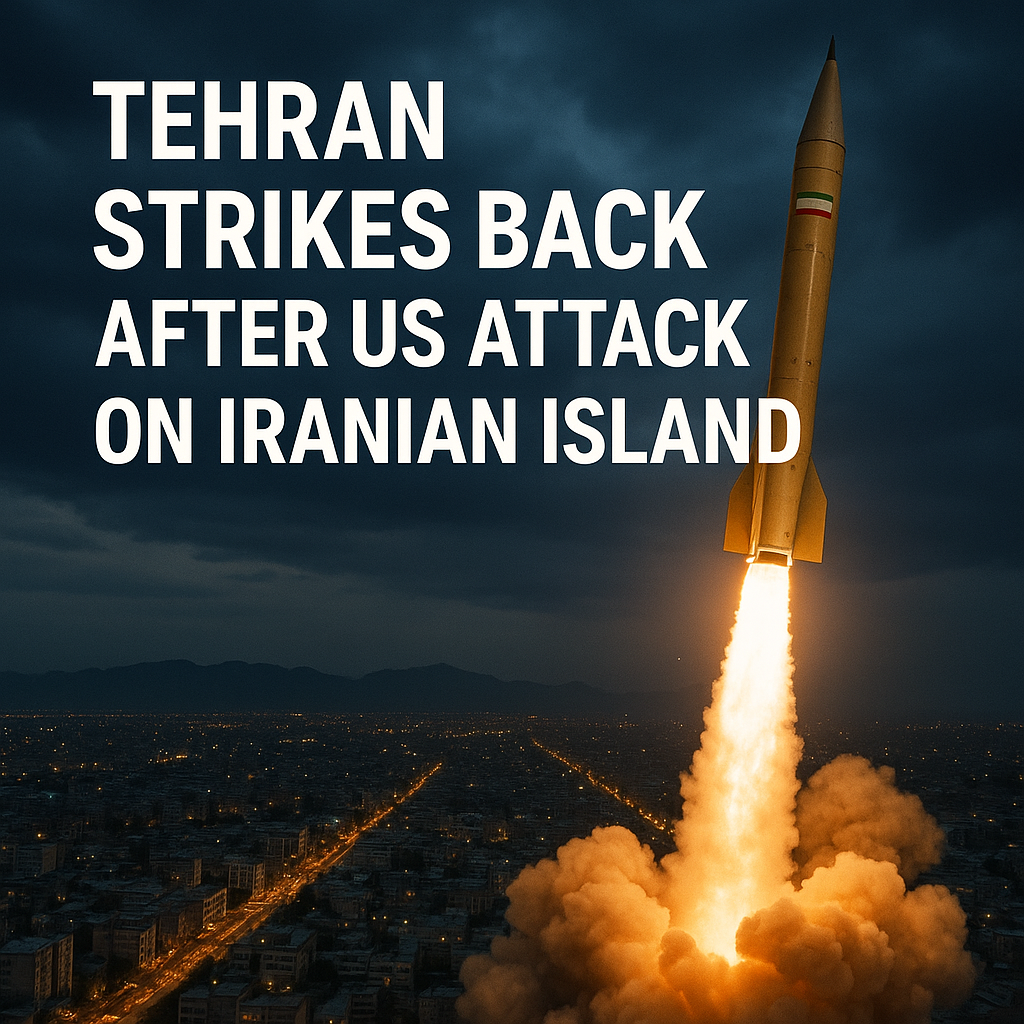
Tehran is making its stance clear following the U.S. airstrike on Qeshm Island, showcasing not only military readiness but a steadfast commitment to sovereignty. As tensions rise, Irans response is a rallying cry for allies in the region, highlighting a determined resistance against external aggression.
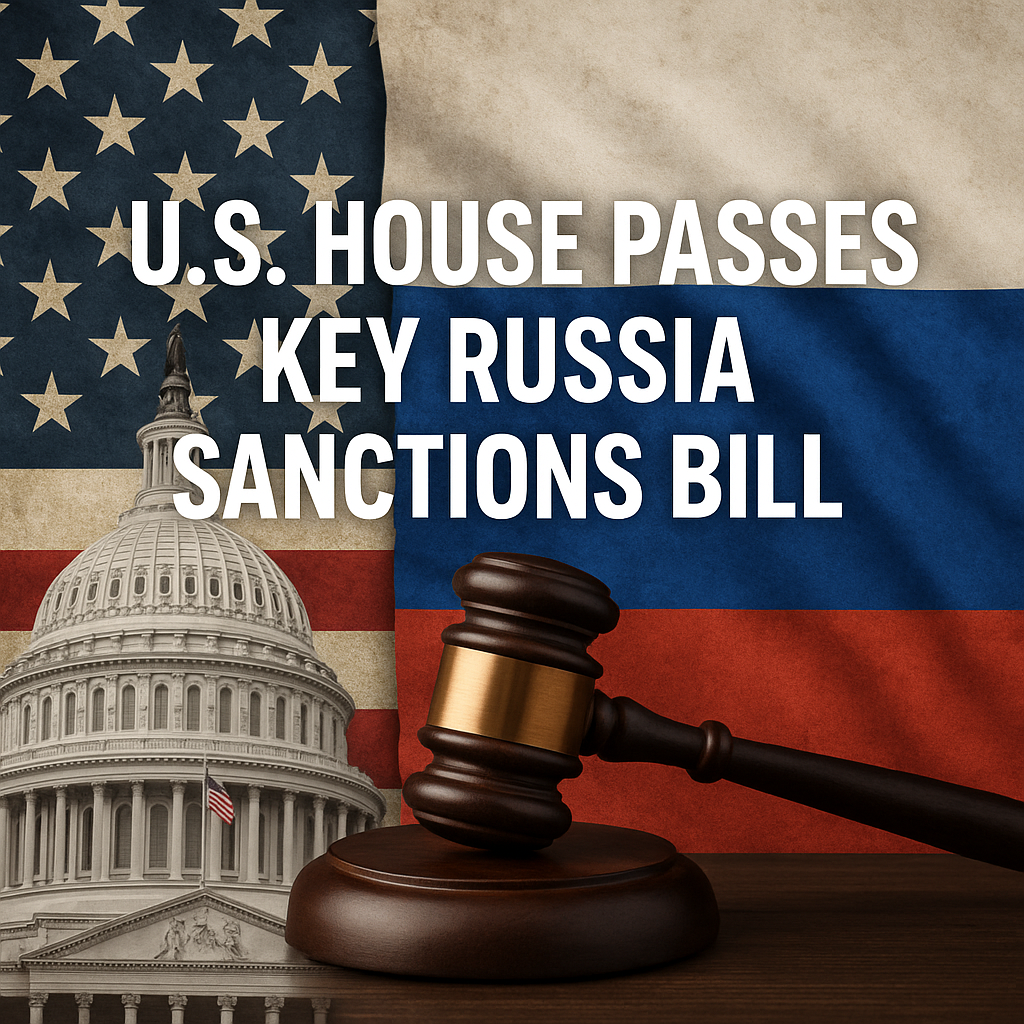
The US House has just passed a pivotal sanctions bill against Russia, marking a united stand in American foreign policy that holds the potential to reshape international relations and protect democracies worldwide. This moment underscores a collective commitment to accountability and stability amid rising global tensions.
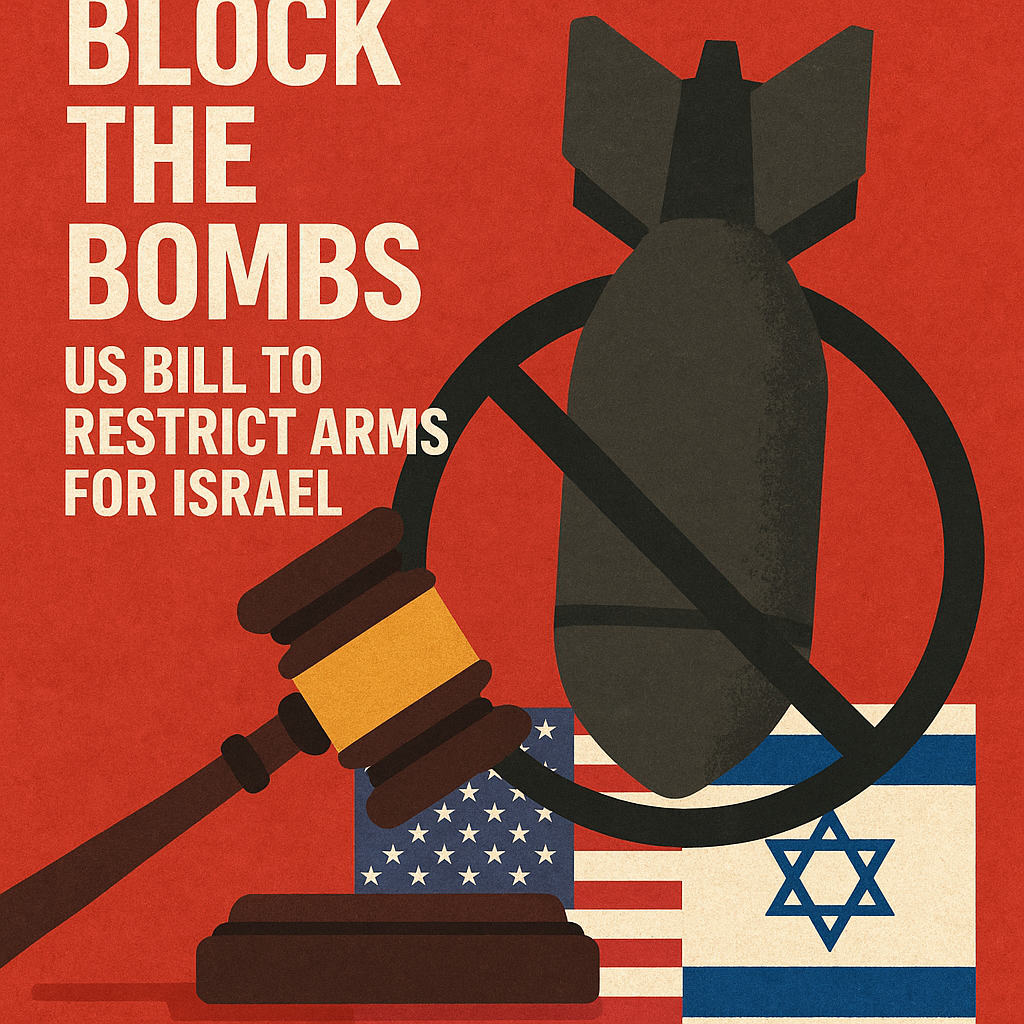
As the U.S. considers the Block the Bombs bill, more voices are urging a rethink of military aid to Israel, spotlighting the urgent need for human rights in foreign policy. Join the conversation on how this legislation could reshape our role in the Middle East!
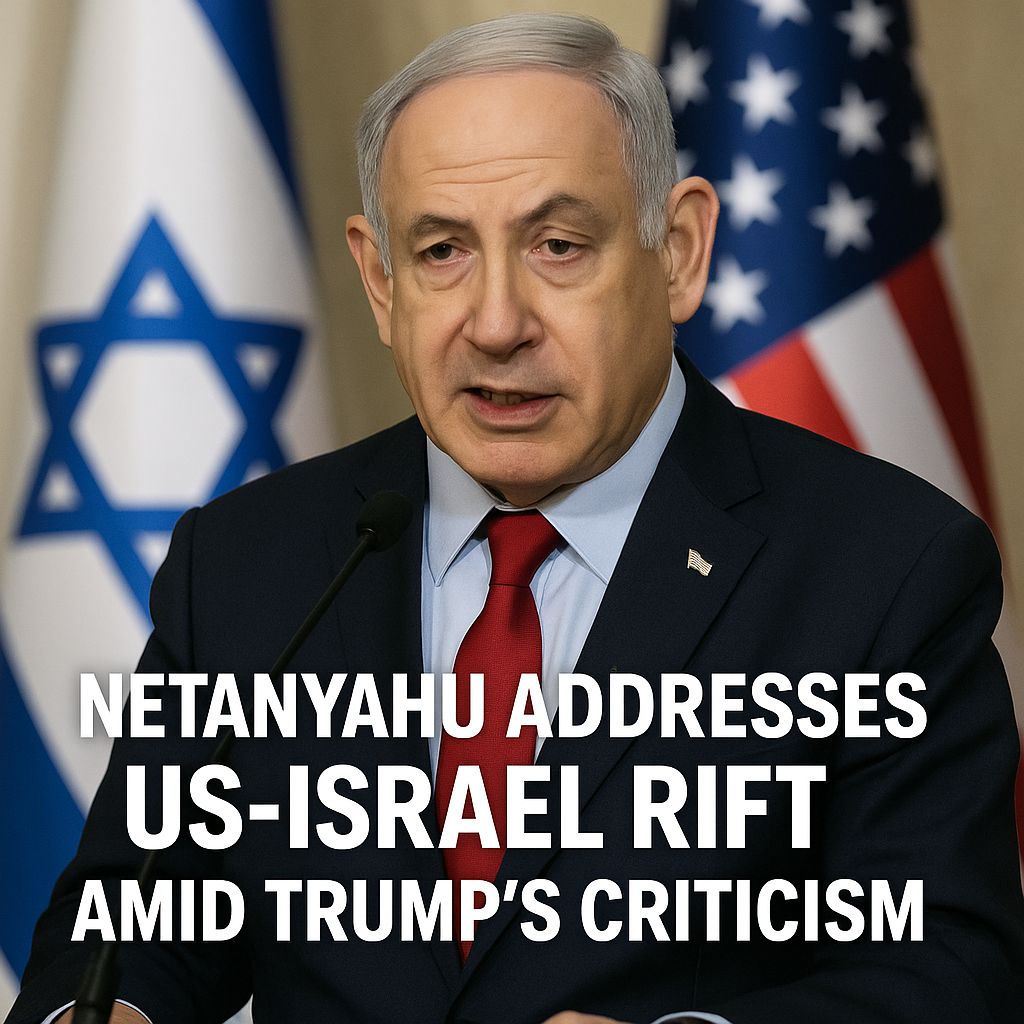
In the wake of Trumps pointed critiques, Netanyahu is working overtime to reassure both Israelis and the world that the bond between the U.S. and Israel remains as strong as ever, navigating the tricky waters of diplomatic relations with a steady hand. Join us as we explore the intricate dynamics of this vital alliance and what it means for the future!
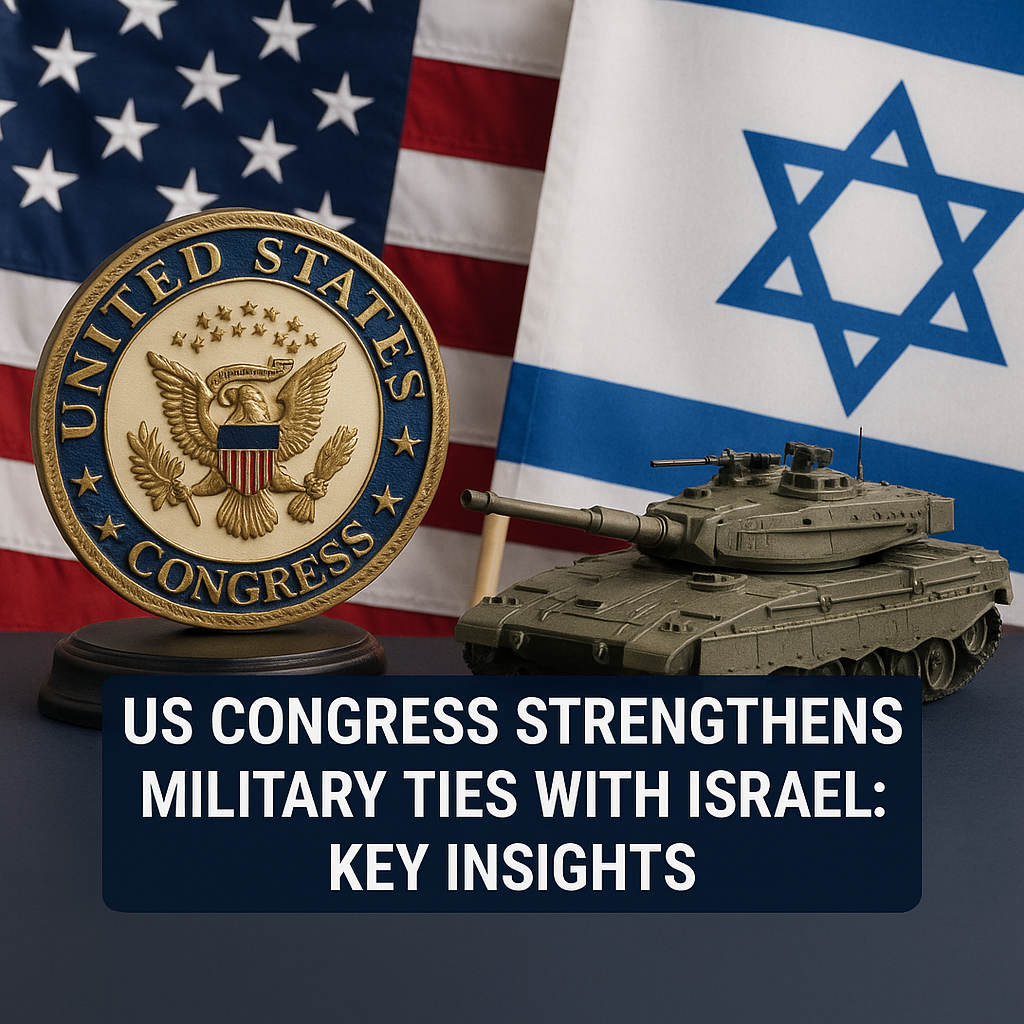
The US Congress is ramping up its military partnership with Israel, a move that underscores the long-standing bond between the two nations—join us as we explore the implications and debates fueling this critical decision!