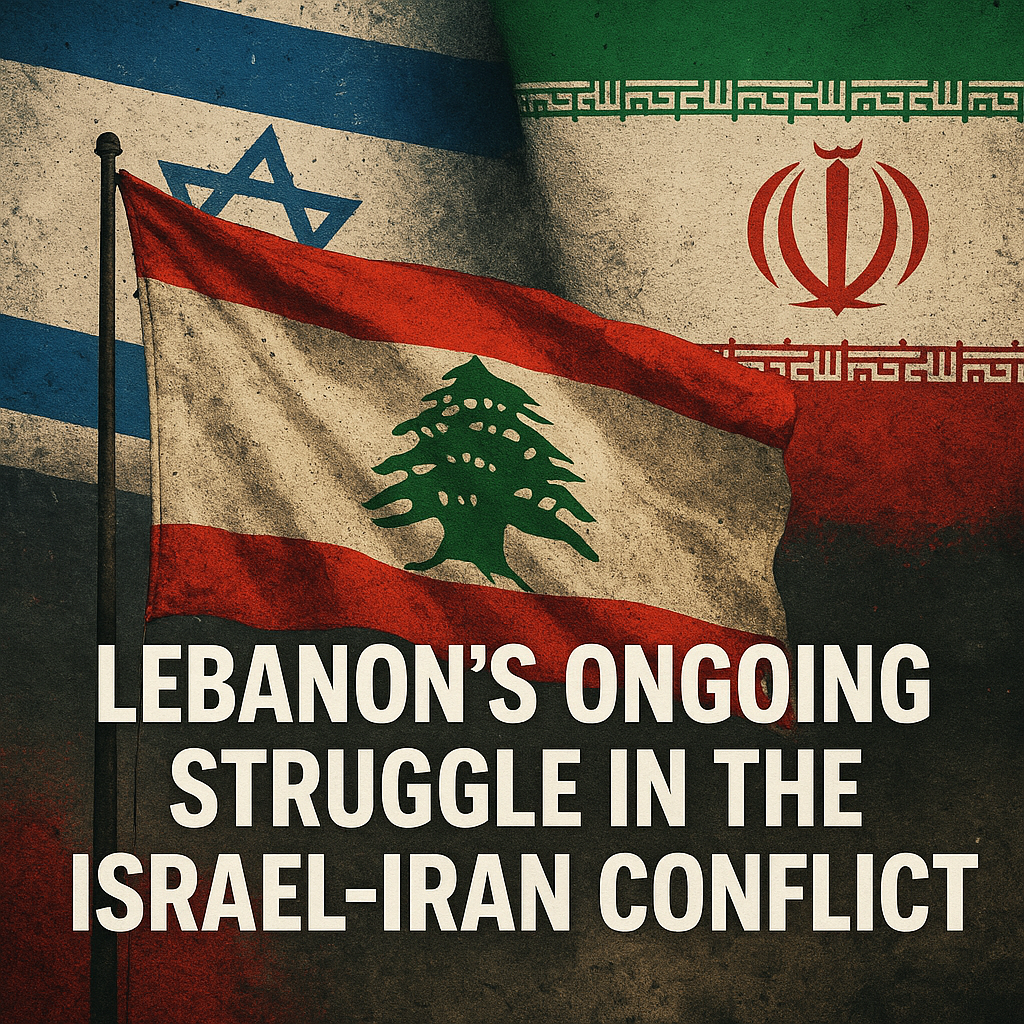
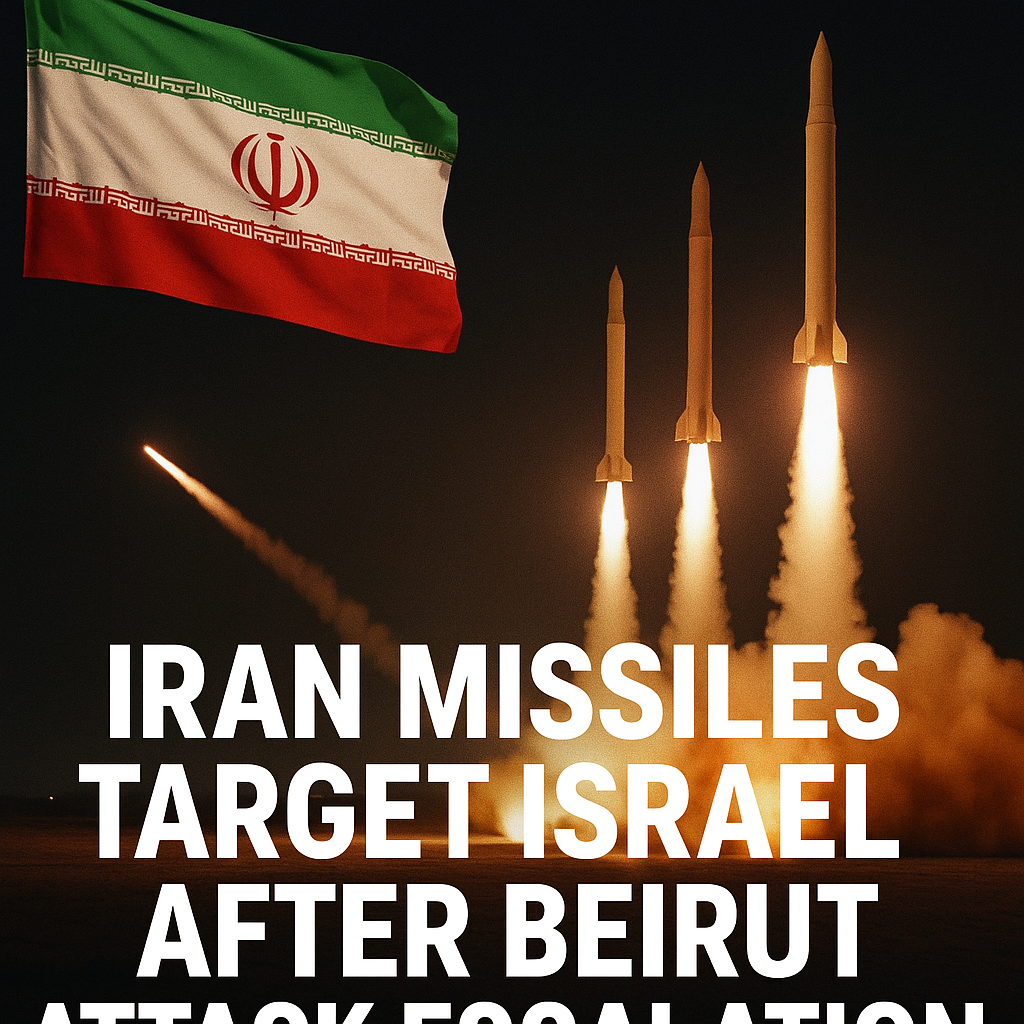
As Lebanon grapples with unrest fueled by tensions with Israel, the implications for U.S.-Iran diplomacy are becoming alarmingly complex—could this turmoil open new doors for negotiation or deepen the divide? Dive in to explore how this volatile landscape impacts us all!
Former President Trump is shaking up the conversation around ceasefire in the Middle East, redefining it in a way thats sparking debate among analysts and global observers. His new interpretation raises eyebrows—blurring the line between military action and peace, and inviting fresh scrutiny in the search for sustainable solutions.
In the wake of Trumps pointed critiques, Netanyahu is working overtime to reassure both Israelis and the world that the bond between the U.S. and Israel remains as strong as ever, navigating the tricky waters of diplomatic relations with a steady hand. Join us as we explore the intricate dynamics of this vital alliance and what it means for the future!
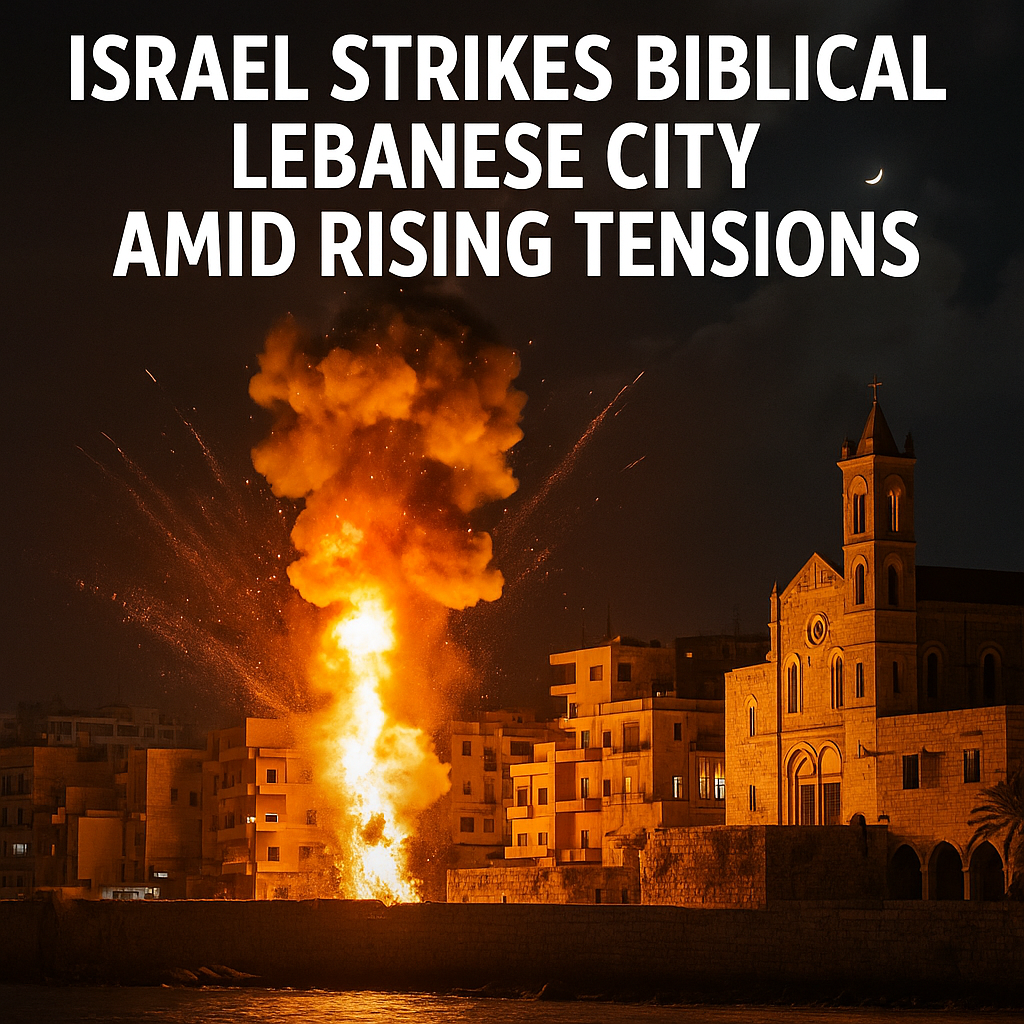
Tensions in southern Lebanon have escalated as an Israeli strike targets a vital hospital, igniting fervent debate over the balance between self-defense and the protection of civilians. With both sides bracing for fallout, the stakes couldnt be higher for the region’s inhabitants.
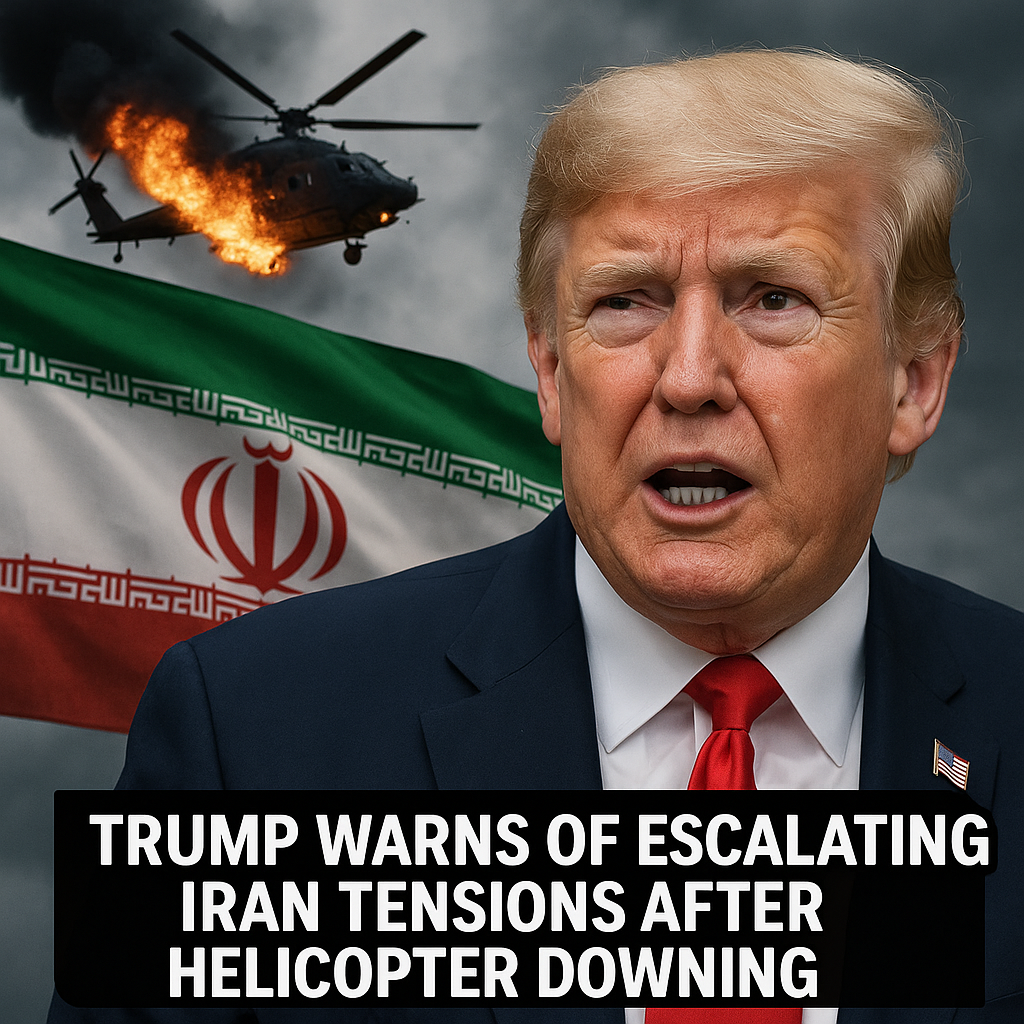
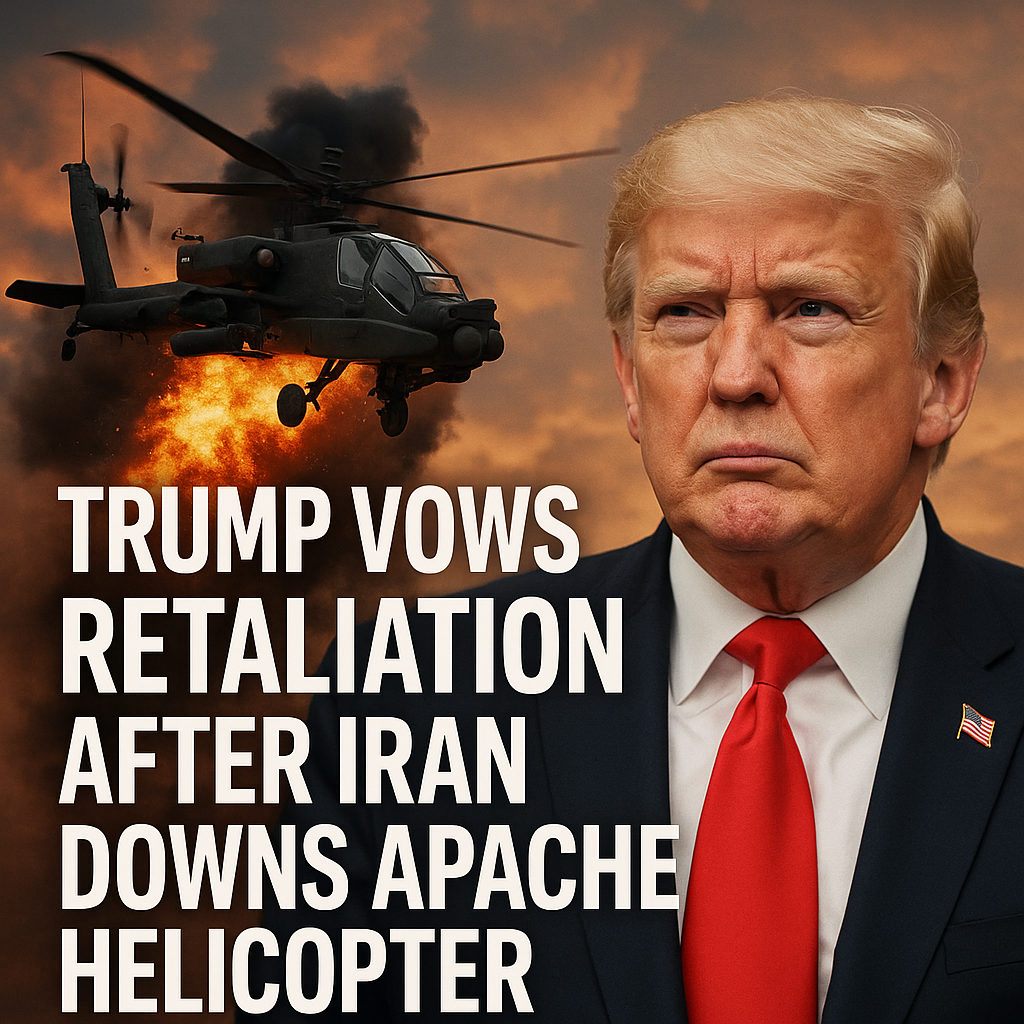
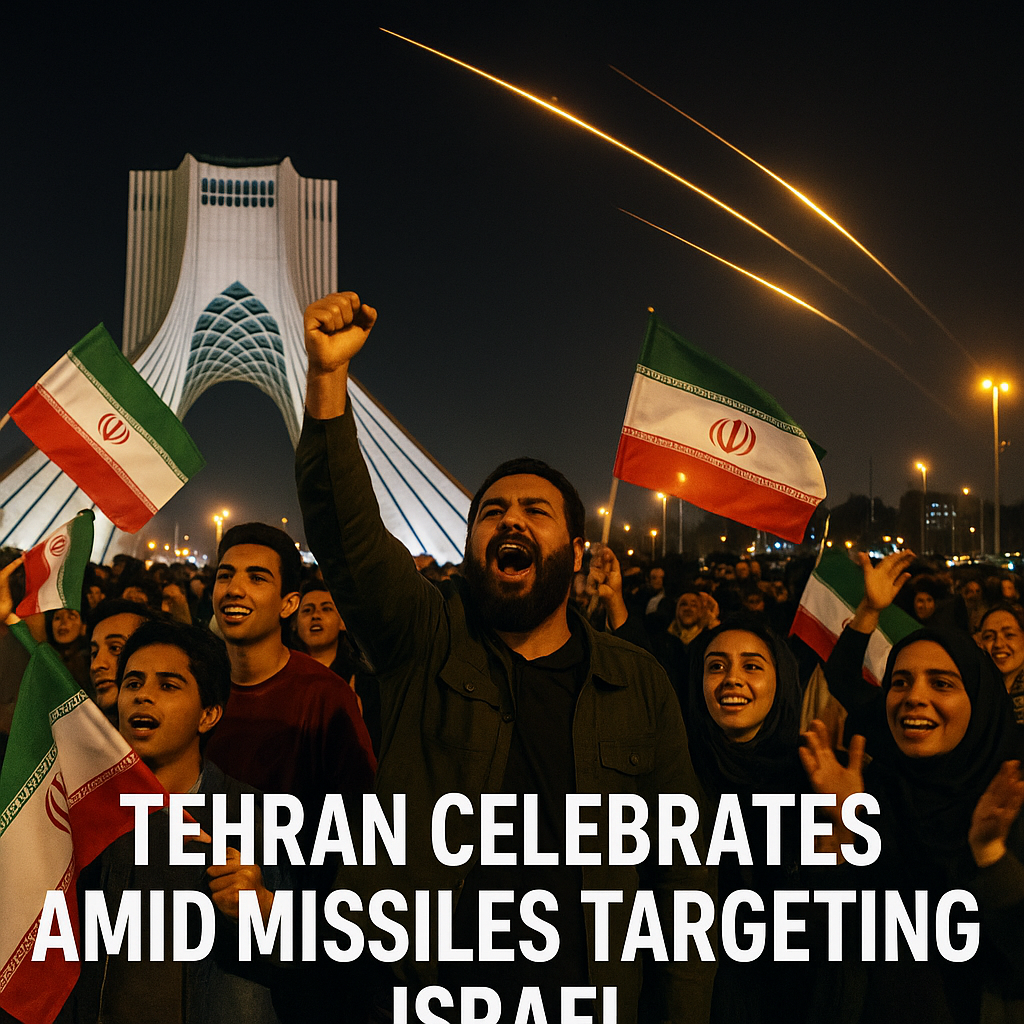
Tensions soar as US servicemen face injuries from an Iranian missile strike on a Kuwaiti base, raising crucial questions about military presence and regional stability. This alarming incident underscores the high-stakes rivalry between the US and Iran—will it spark a dangerous cycle of retaliation?
In a bold move, Israeli Prime Minister Benjamin Netanyahu reveals plans to control 70% of Gaza, prompting intense debate and concern over the impacts on the regions already strained humanitarian situation. As tensions rise, both local residents and international organizations are urging for a focus on dialogue and lasting peace amidst the unfolding complexities.
In a bold and contentious decision, Prime Minister Netanyahu has directed the military to seize 70% of the Gaza Strip, sparking intense debate over security and humanitarian impacts in a region already fraught with tension. As global reactions pour in, the question remains: what does this mean for the future of peace in the Middle East?
In a promising turn of events, the U.S. and Iran have tentatively agreed to extend their truce for another 60 days, opening the door for potential dialogue and a glimmer of hope for regional stability. While challenges remain, this cautious step could be the key to easing tensions and fostering communication in a complex geopolitical landscape.
US inflation has reached a three-year peak, driven by rising tensions in the Middle East, especially with Iran, leading to concerns about economic stability and skyrocketing fuel prices. As consumers brace for higher costs, the ripple effects on spending and growth are rapidly unfolding.
Tensions are skyrocketing as Iran retaliates with a strike on a US military base in Iraq, raising alarms about the fragile balance in the region. With both sides on edge, the implications of this conflict could ripple beyond borders, making the stakes higher than ever.