Unlocking the potential for peace between Iran and the US could redefine the geopolitical landscape! Dive into the key details and ongoing uncertainties that could shape a more stable future for the Middle East.

Unlocking the potential for peace between Iran and the US could redefine the geopolitical landscape! Dive into the key details and ongoing uncertainties that could shape a more stable future for the Middle East.
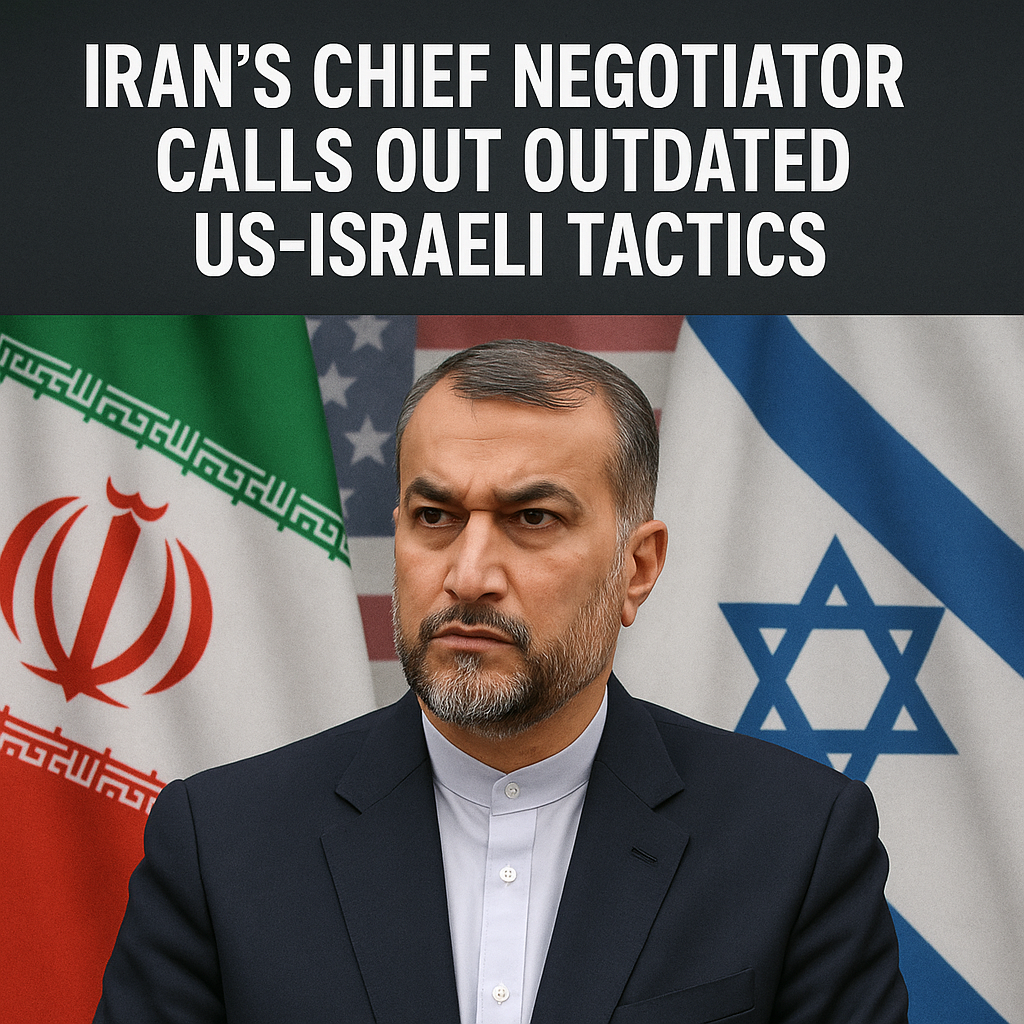
Irans Chief Negotiator boldly challenges the relevance of US-Israeli tactics, arguing that their outdated strategies are hindering meaningful dialogue. As the landscape of diplomacy shifts, can new approaches pave the way for a more constructive engagement with Tehran?
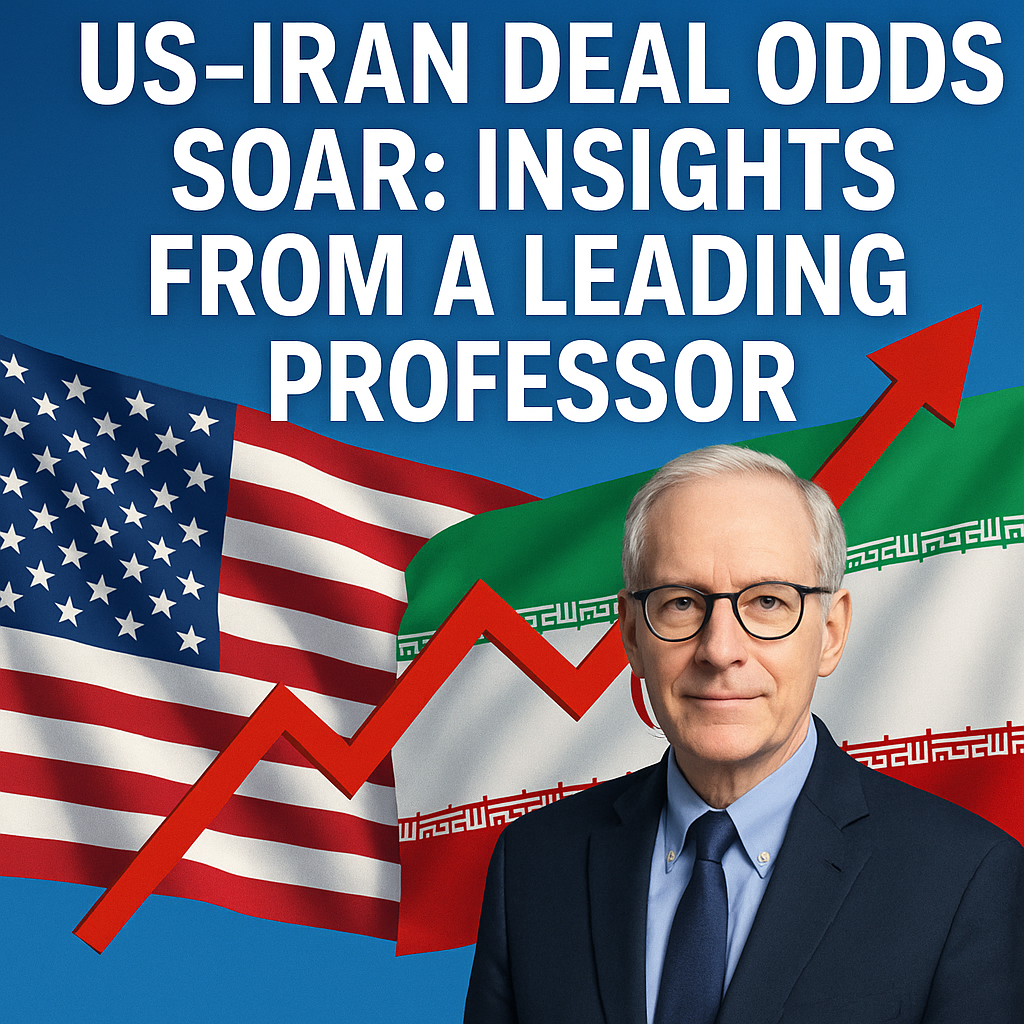
Exciting developments are on the horizon as a leading professor reveals increasing odds for a US-Iran deal, hinting at a potential shift in the political landscape that could reshape the future for both nations. Discover the compelling insights driving this renewed dialogue!
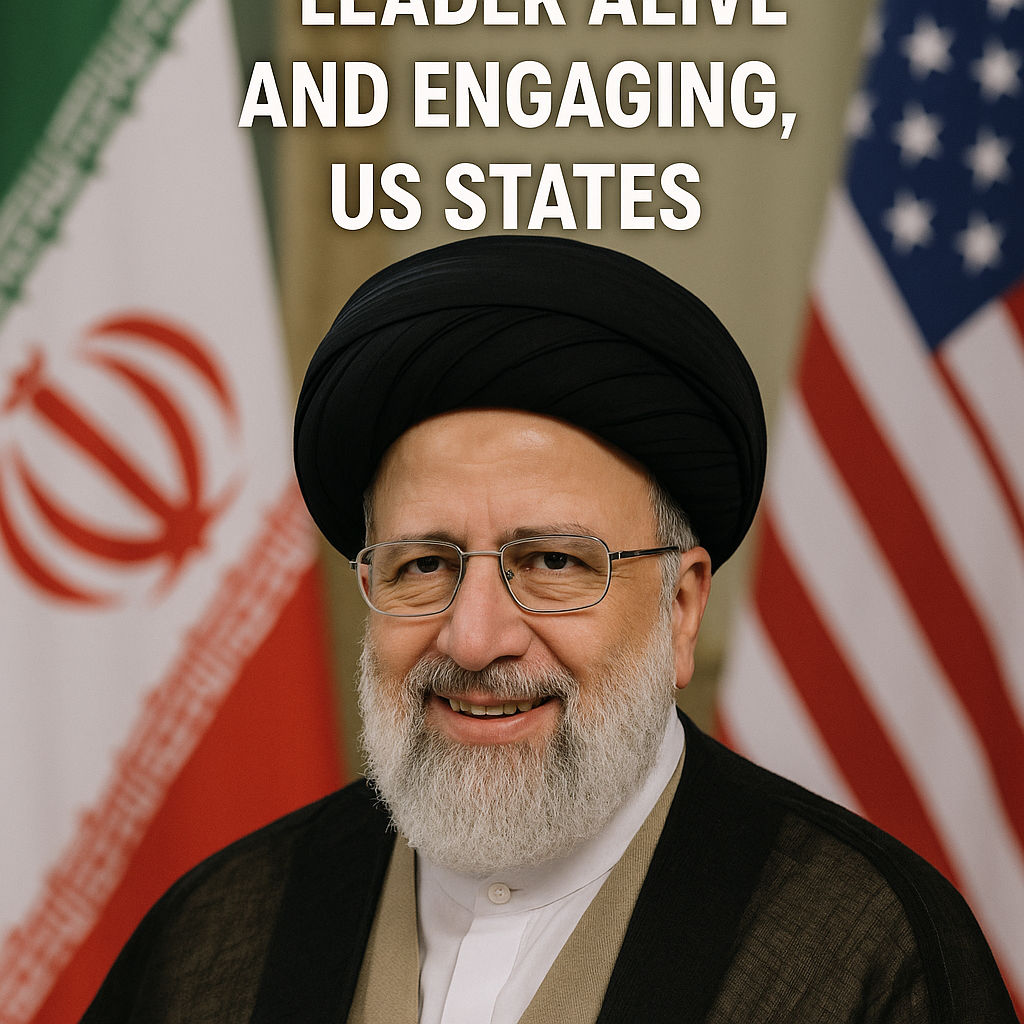
In a recent buzz from US officials, it appears Iran’s new Supreme Leader is not just alive, but actively shaping the nation’s future amidst pressing challenges. This newfound clarity could either pave the way for optimism in diplomatic efforts or signal a steadfast approach to confrontational politics—what does it mean for the region?
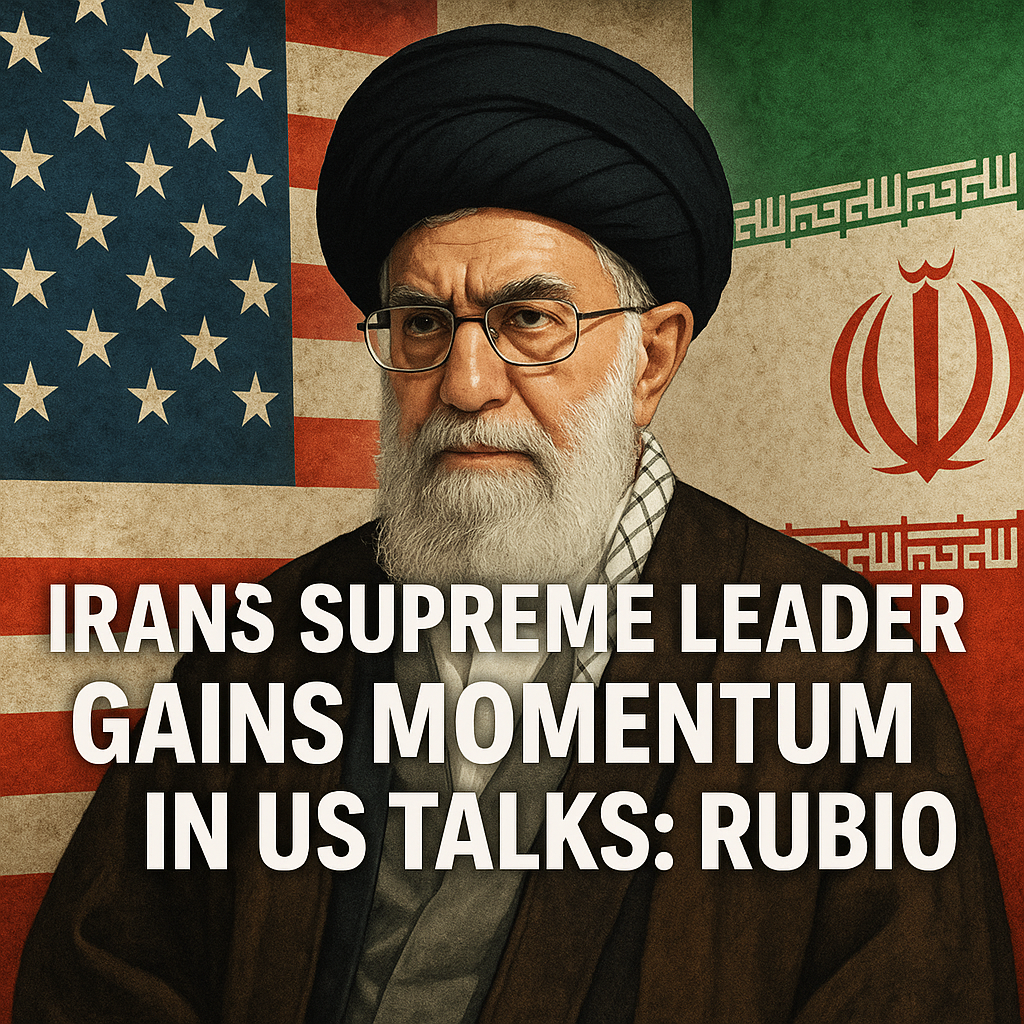
Irans Supreme Leader, Ayatollah Ali Khamenei, is showing unexpected openness in talks with the U.S., sparking fresh hopes for a diplomatic shift—could this be the start of a new chapter in U.S.-Iran relations? While some remain skeptical about the motives behind this thaw, the world watches closely as discussions unfold, raising the stakes for regional stability.
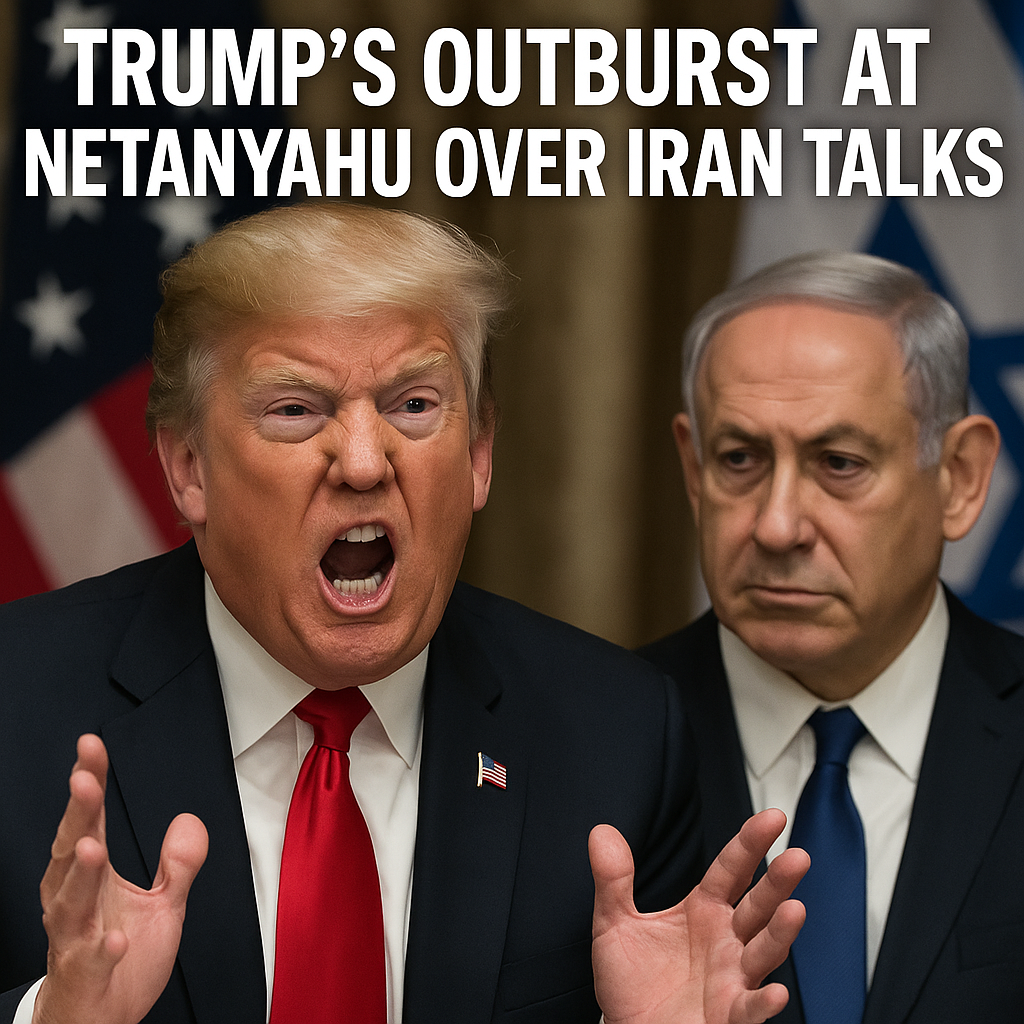
In a fiery exchange, former President Trump confronted Israeli Prime Minister Netanyahu about the delicate Iran nuclear negotiations, revealing deep rifts in diplomatic strategies. Trumps insistence on a hardline approach sparks a debate over the best path forward for U.S.-Israel relations and the future of Middle Eastern diplomacy.
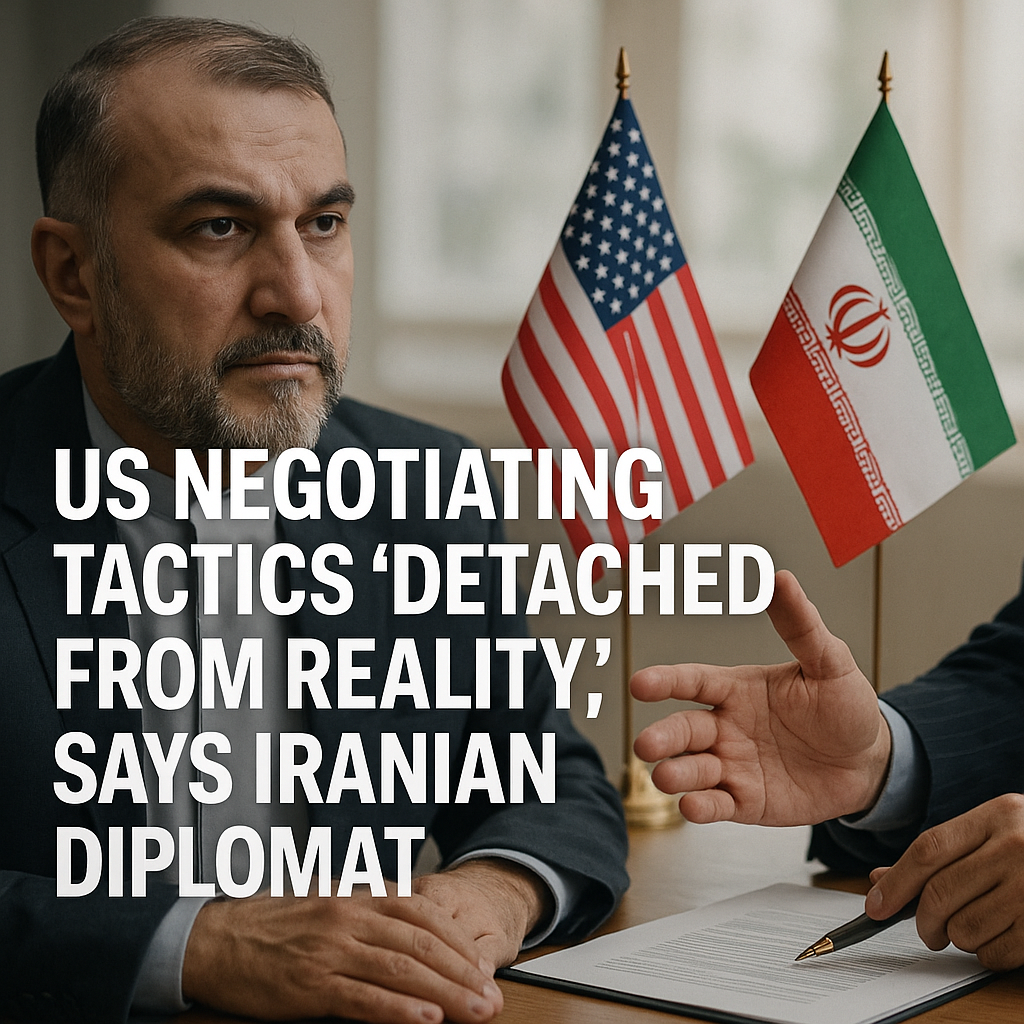
Iranian diplomat Ali Bagheri Kani is sounding the alarm on U.S. negotiating tactics, labeling them as detached from reality amid ongoing discussions about Irans nuclear program. As both nations grapple with their historical tensions, this critique sparks a critical conversation about the complexities of diplomacy and the importance of understanding each others perspectives.
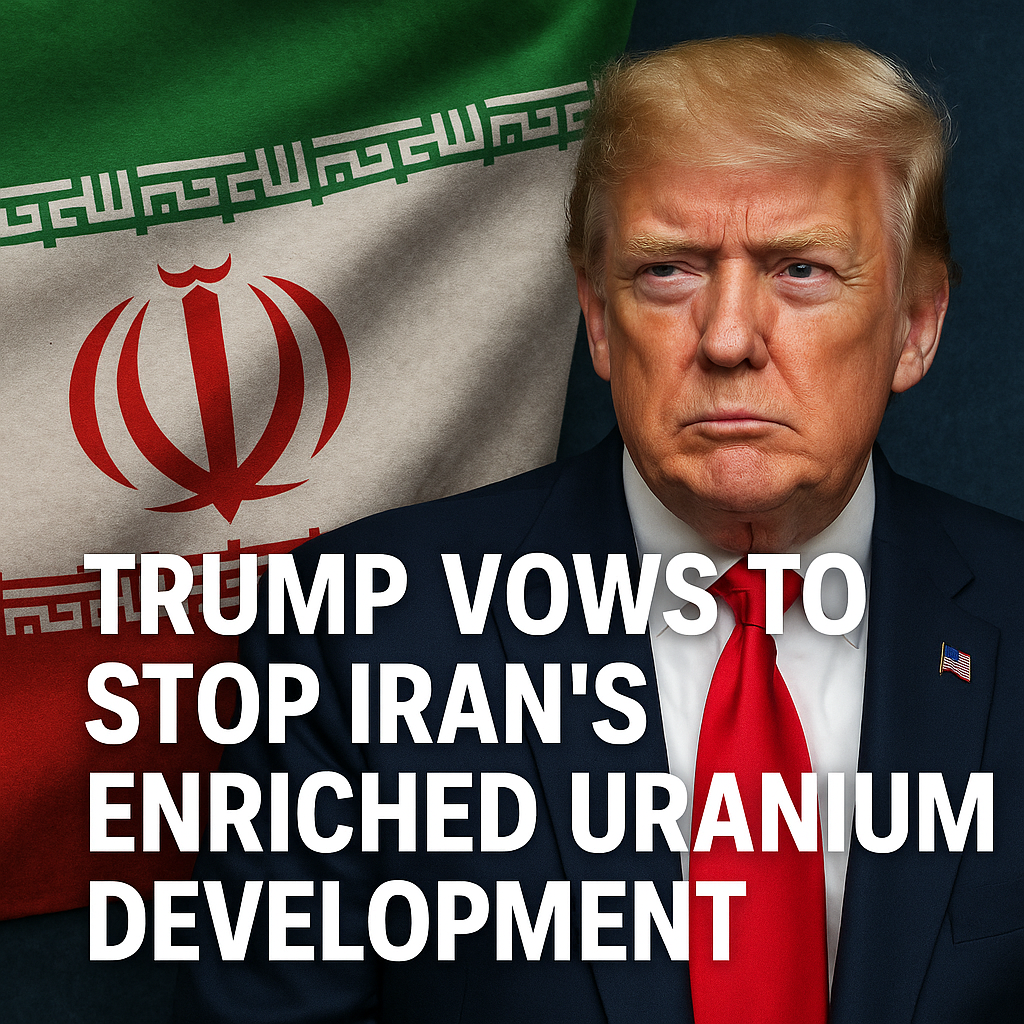
In a striking promise, Donald Trump declares he would put an end to Irans enriched uranium development if he returns to the White House, reigniting a fierce debate on U.S.-Iran relations and the future of global nuclear diplomacy. As tensions rise, this bold stance captures the attention of a divided electorate eager for a decisive approach.
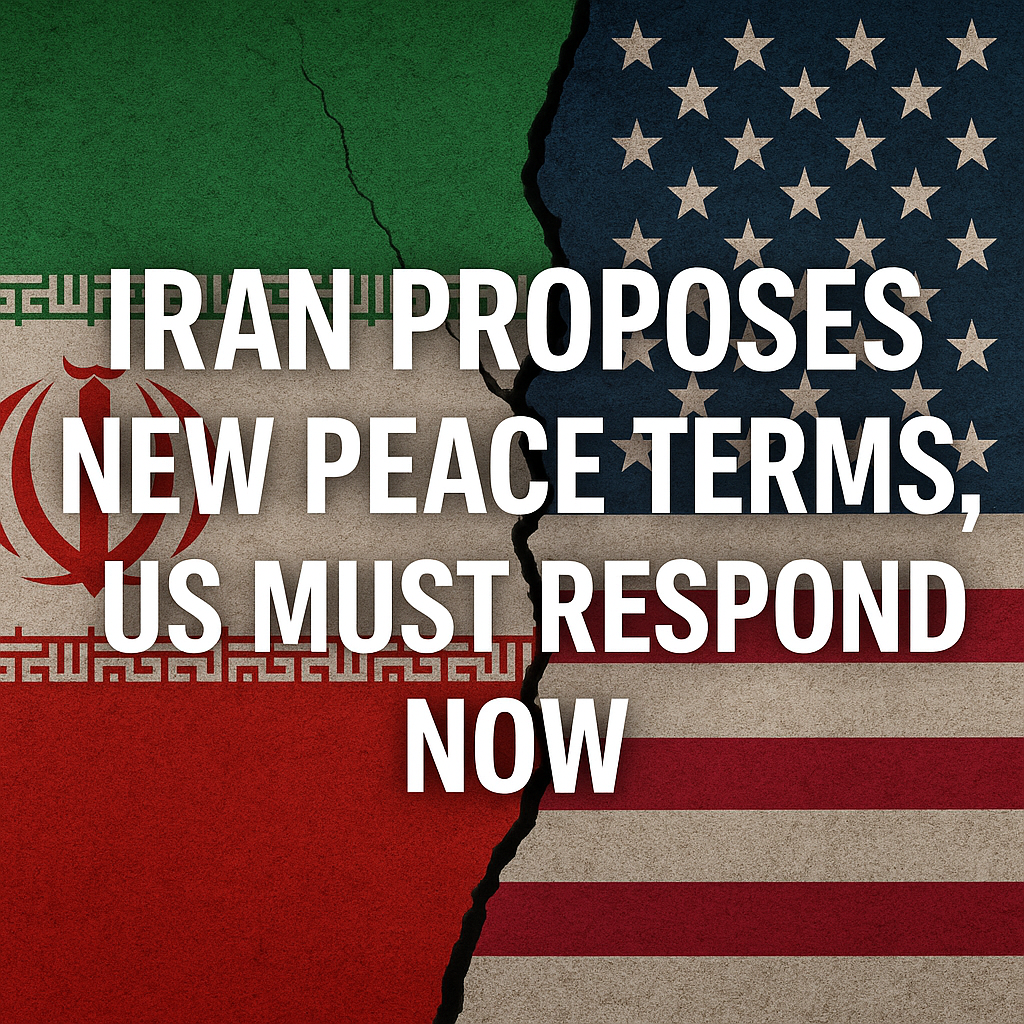
Irans bold new peace proposals signal a chance for the U.S. to engage in crucial dialogue and reshape regional dynamics—can we afford to wait any longer to respond? Lets explore this pivotal moment together!
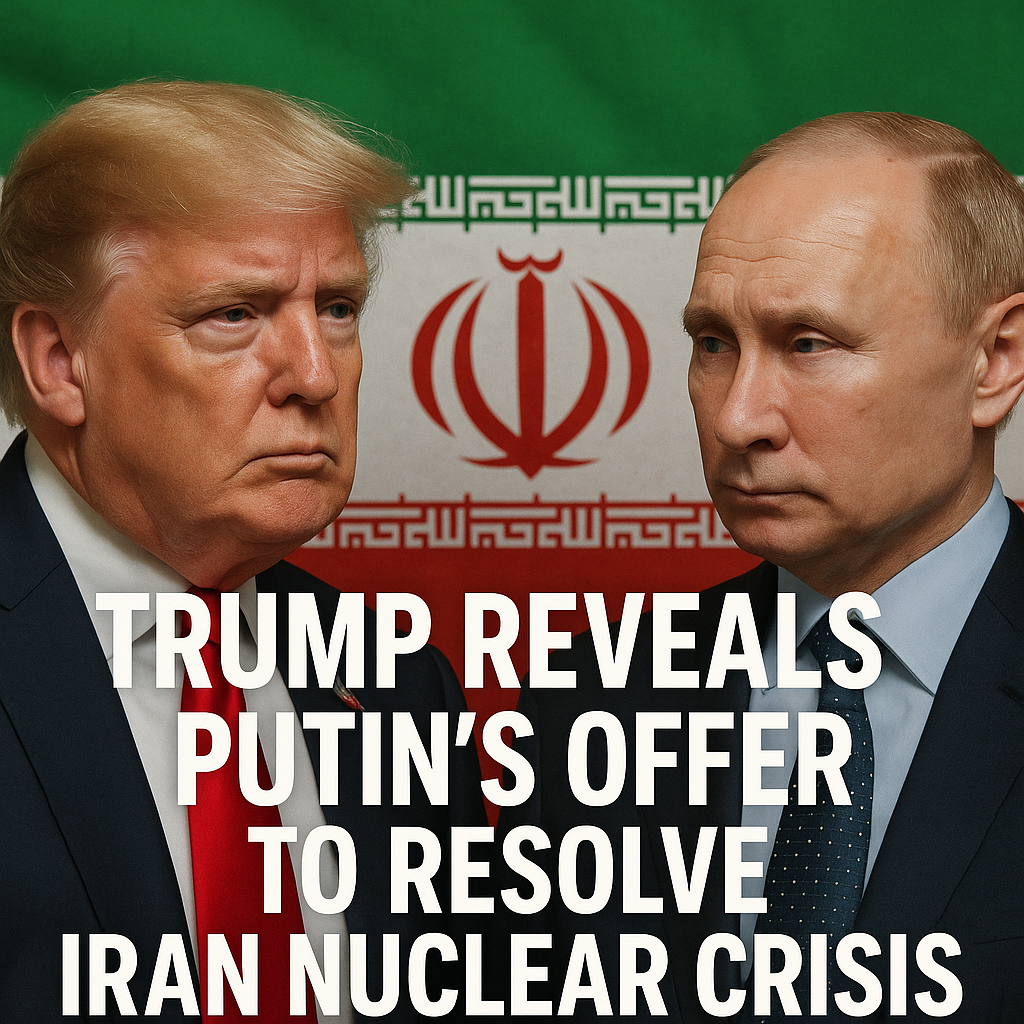
Former President Donald Trumps recent revelation of Vladimir Putins offer to help tackle the Iranian nuclear crisis has sparked lively debate, hinting at a potential shift in global alliances and strategies that could reshape the geopolitical landscape. As tensions rise around Irans nuclear ambitions, could collaboration with Russia pave the way for more effective diplomacy?