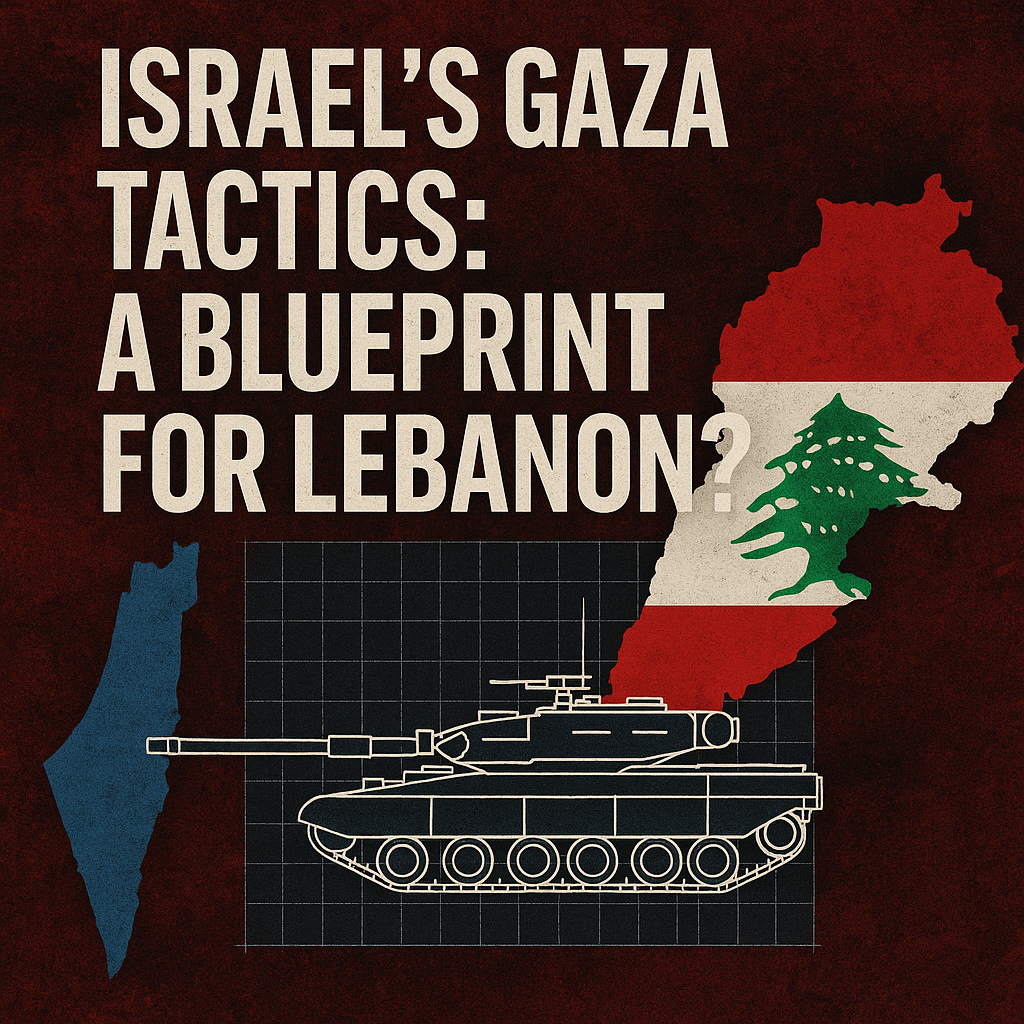
Could Israels military strategies in Gaza be preparing the ground for a similar approach in Lebanon? As tensions rise, it’s crucial to explore how these tactics might play out—and what they mean for both national security and humanitarian concerns in the region.
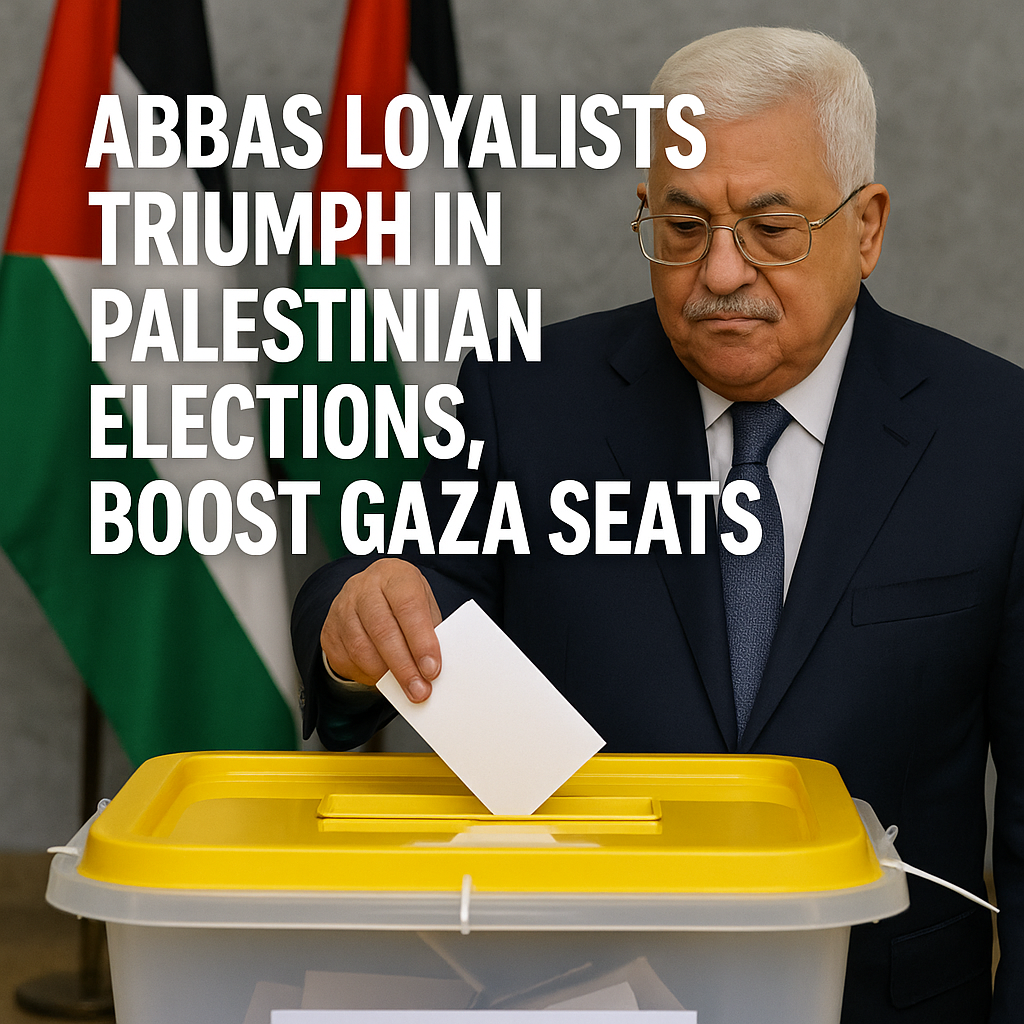
In a surprising twist, President Mahmoud Abbass loyalists have claimed victory in the recent Palestinian elections, shaking up the political scene in Gaza and sparking hopes for change among voters eager for reform and unity. While many celebrate this shift toward Fatah, there are also murmurs of skepticism about the electoral process—leaving a mix of optimism and caution in its wake.
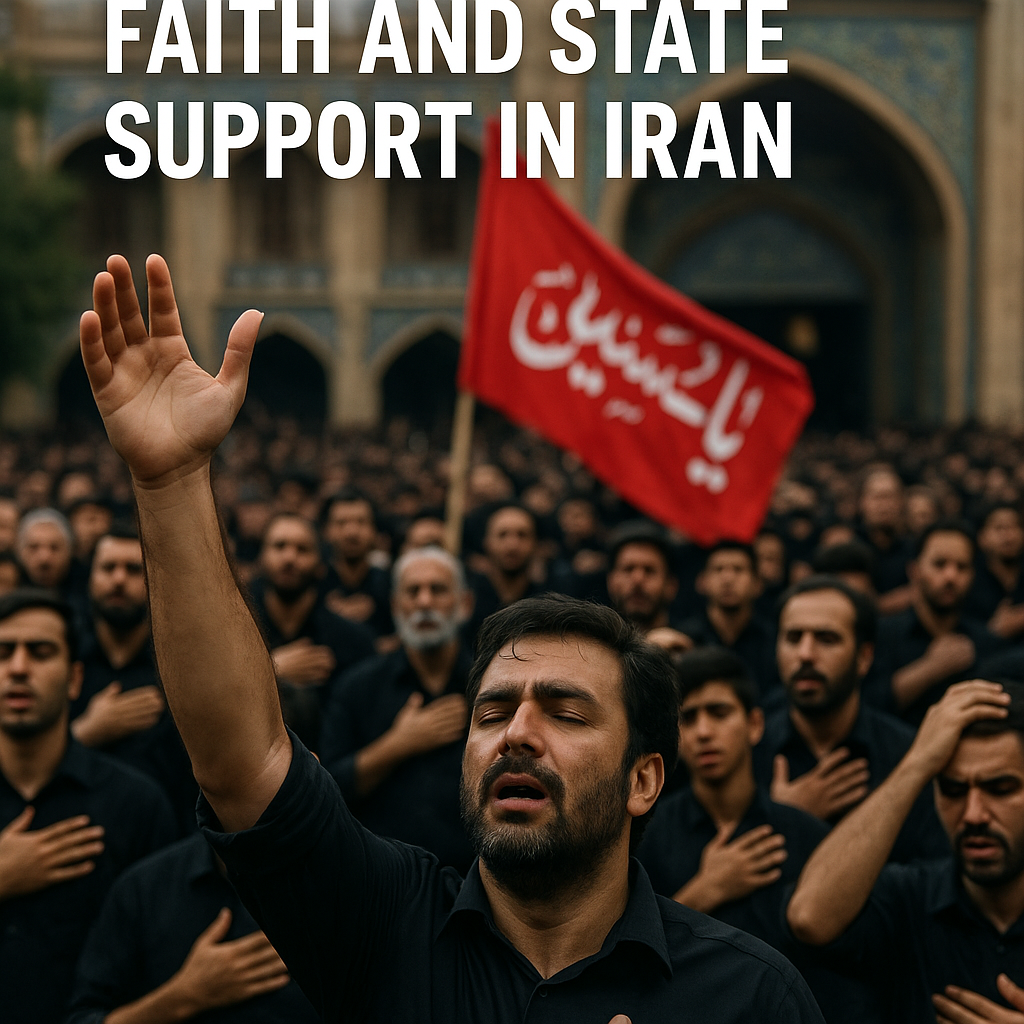
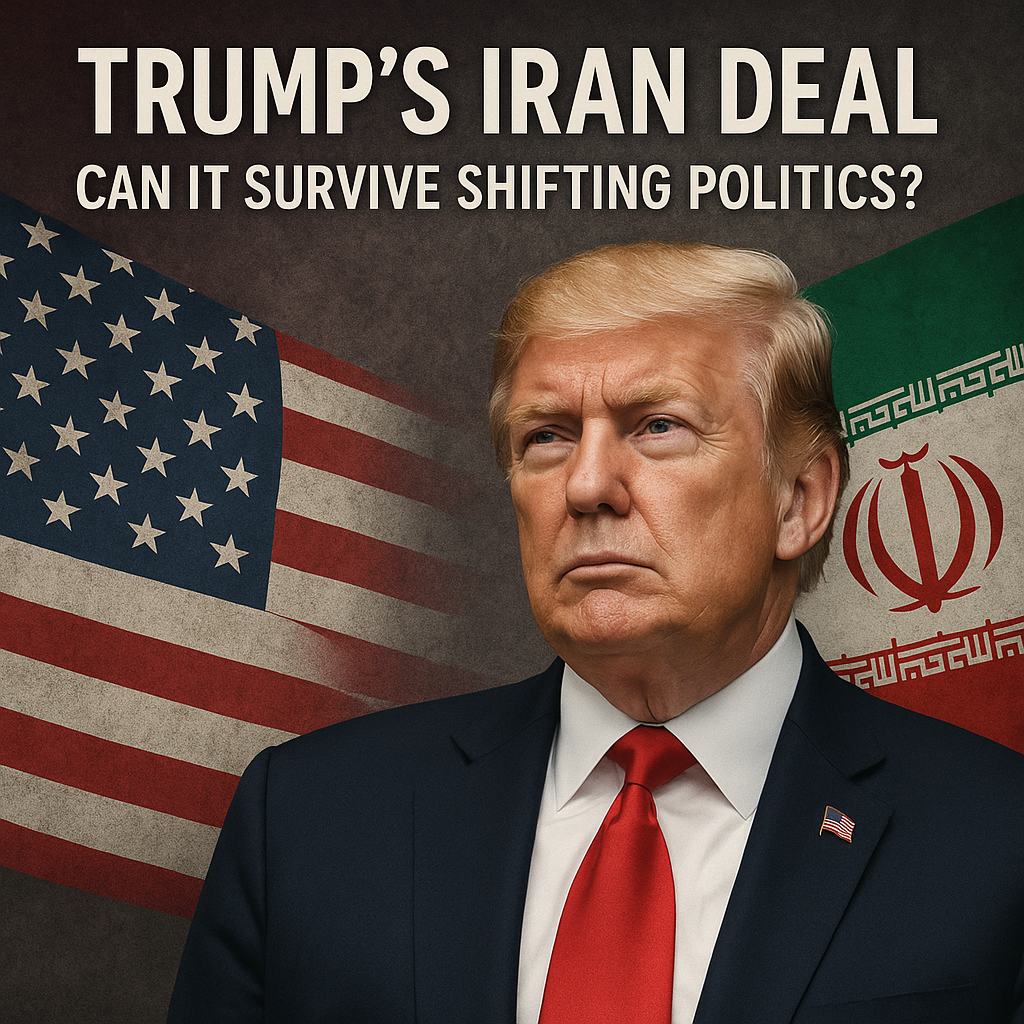
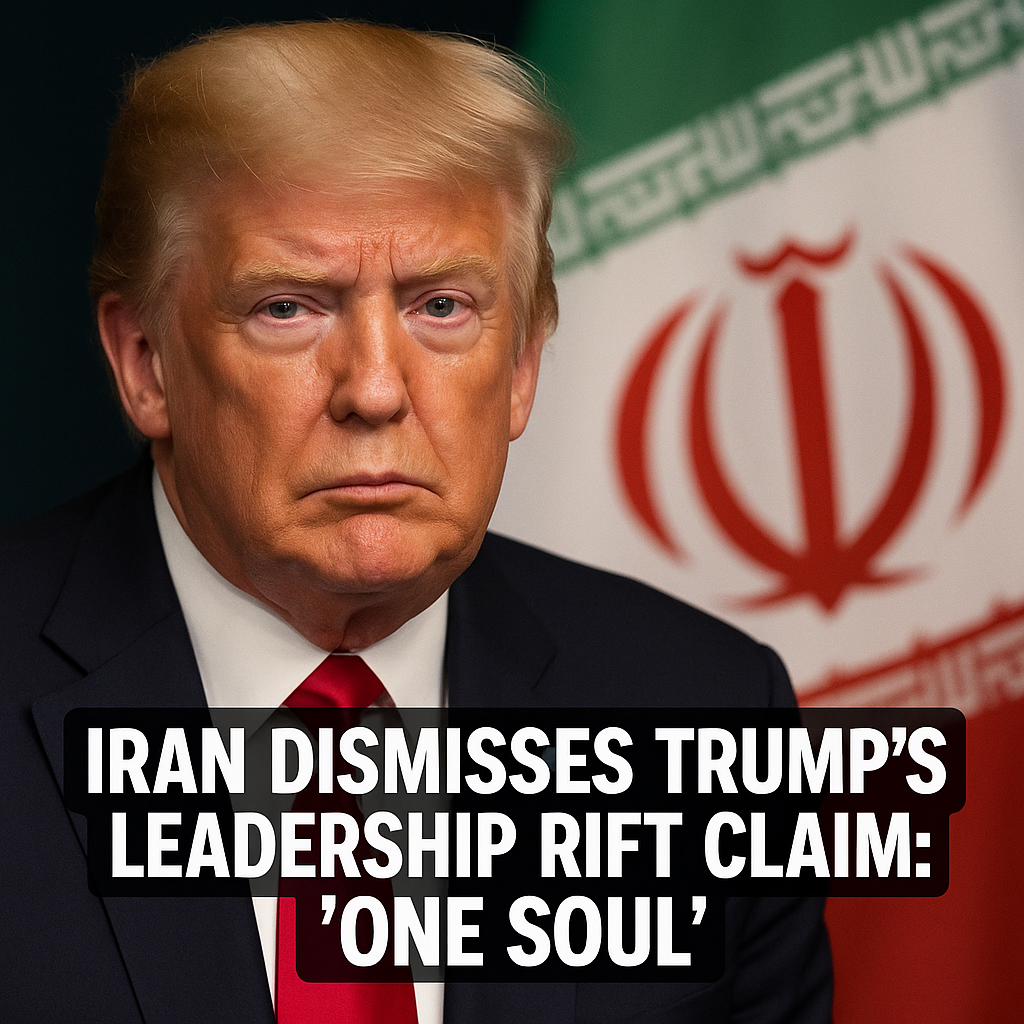
Iran is standing firm against Trumps claims of discord within its leadership, boldly proclaiming a spirit of unity with the phrase one soul. This rejection not only sheds light on the intricate dynamics of Iranian politics but also highlights how external views often miss the mark.
As tensions rise in the Middle East, Netanyahu is sounding the alarm over Trumps Lebanon strategy, fearing it could upend crucial alliances and threaten Israels security. Could this unexpected move reshape the already fragile political landscape in Lebanon?
Hezbollah is making waves by rejecting Lebanon’s move to negotiate with Israel, citing the talks as “insignificant” and a betrayal of their fight for sovereignty. As tensions rise, the divide over how to handle relations with Israel highlights the ongoing struggle within Lebanese politics and the broader region.
Donald Trumps recent interview with Sky News has ignited lively debates, as he boldly claims hes still the front-runner for the Republican nomination despite his legal battles. With optimism in the air, will his unwavering confidence turn the tide, or is he facing an uphill struggle?
Could Israel really be America’s 51st state? Dive into the evolving dynamics of U.S.-Israel relations as pressures mount and political voices shift, revealing a landscape thats more complex than ever.