Hamas Names New Leader Amid Ongoing Gaza War: Who Is He?
Hamas Names New Leader Amid Ongoing Gaza War: Who Is He?
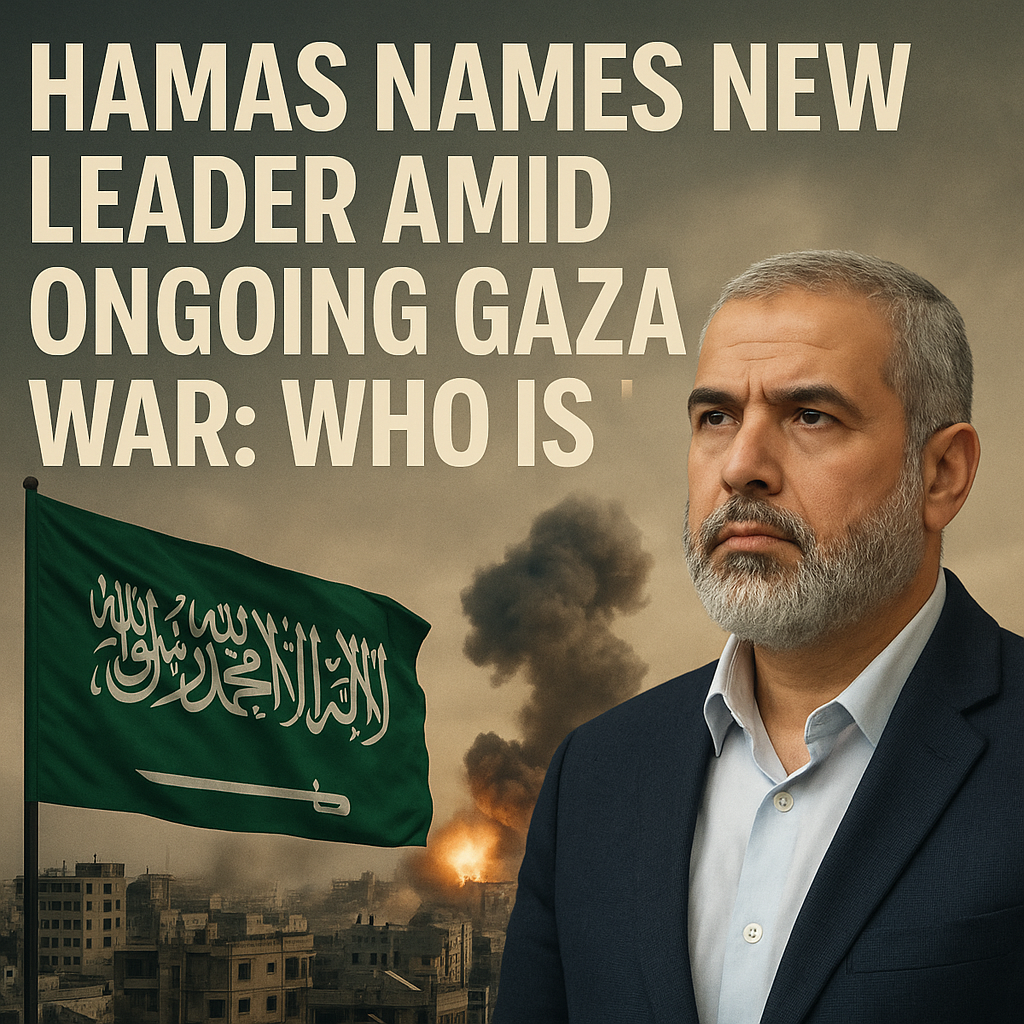
The ongoing Gaza War has unveiled a significant leadership change within Hamas, as the group has appointed Khalil al-Hayya as its new leader. This shift in leadership comes at a critical moment, bringing with it waves of speculation about its potential impact on the conflict and the wider region.

A New Leadership Dynamic in Hamas
Khalil al-Hayya’s elevation to the leadership position marks a notable development in Hamas’s internal dynamics. Previously serving as the movement’s deputy leader and head of Hamas’s Gaza branch, al-Hayya brings a wealth of experience to his new role. His tenure has been defined by a strategic focus on both military resistance and political maneuvering within and outside Gaza.

Al-Hayya’s leadership is seen as a consolidation of Hamas’s power under a figure who may prioritize military strategies over diplomatic avenues. This perspective aligns with sentiments reported by various sources, which highlight al-Hayya’s hardened stance on negotiations and peace talks, particularly in light of the ongoing conflict that has intensified since the recent escalation with Israel.

Perspectives on Leadership Impact
The implications of this leadership change have drawn mixed reactions from analysts and observers. Some argue that al-Hayya’s leadership could indicate a shift towards a more militant approach in the Gaza Strip. According to Al Jazeera, this might exacerbate tensions between Hamas and Israel, given that al-Hayya is believed to have strong ties with military factions within the group. His prior engagements indicate a willingness to escalate military operations rather than seek a diplomatic resolution.
Contrastingly, other analysts point out that al-Hayya’s appointment could also signal an opportunity for potential negotiations. As someone familiar with the intricate political landscape of the region, there is speculation that he might be able to navigate the complex relationships with Egyptian mediators and other regional powers seeking to broker peace. Some sources suggest that a pragmatic approach could emerge, enabling Hamas to regain legitimacy in the eyes of Palestinians while considering the protracted humanitarian crisis in Gaza.
The Broader Context: Gaza War’s Impact on Leadership Choices
The backdrop of the Gaza War is crucial for understanding the significance of al-Hayya’s appointment. The conflict has led to immense casualties and a deepening humanitarian crisis, prompting urgent calls for a ceasefire from various international entities. Amid this turmoil, leadership changes often reflect broader strategic priorities that could influence not just Hamas but also the regional stability.
Additionally, the leadership transition comes at a time when public sentiment in Gaza is increasingly focused on economic conditions and humanitarian struggles. Al-Hayya’s ability to address these issues while maintaining Hamas’s traditional resistance agenda may come to define his leadership. Analysts like those from Sky News emphasize that the future of Hamas hinges not solely on military prowess but also on the capacity to govern effectively in the face of dire circumstances.
Conclusion: What Lies Ahead?
As the world pays close attention to Khalil al-Hayya’s strategies and policies, there is a palpable uncertainty regarding the path Hamas will take under his leadership. While some foresee a possible escalation in hostilities, others remain cautiously optimistic about a potential pivot towards more diplomatic engagement. In this fractured landscape, the international community continues to monitor developments closely, aware that any significant movements by Hamas might have repercussions far beyond the immediate conflict.
The ongoing Gaza War and the appointment of al-Hayya as Hamas’s leader illustrate the complex interplay of military and political strategies in one of the world’s most contentious regions. With both hopes and fears hanging in the balance, the coming months will shed light on how this leadership transition affects not only Hamas but also the broader Middle Eastern geopolitics.