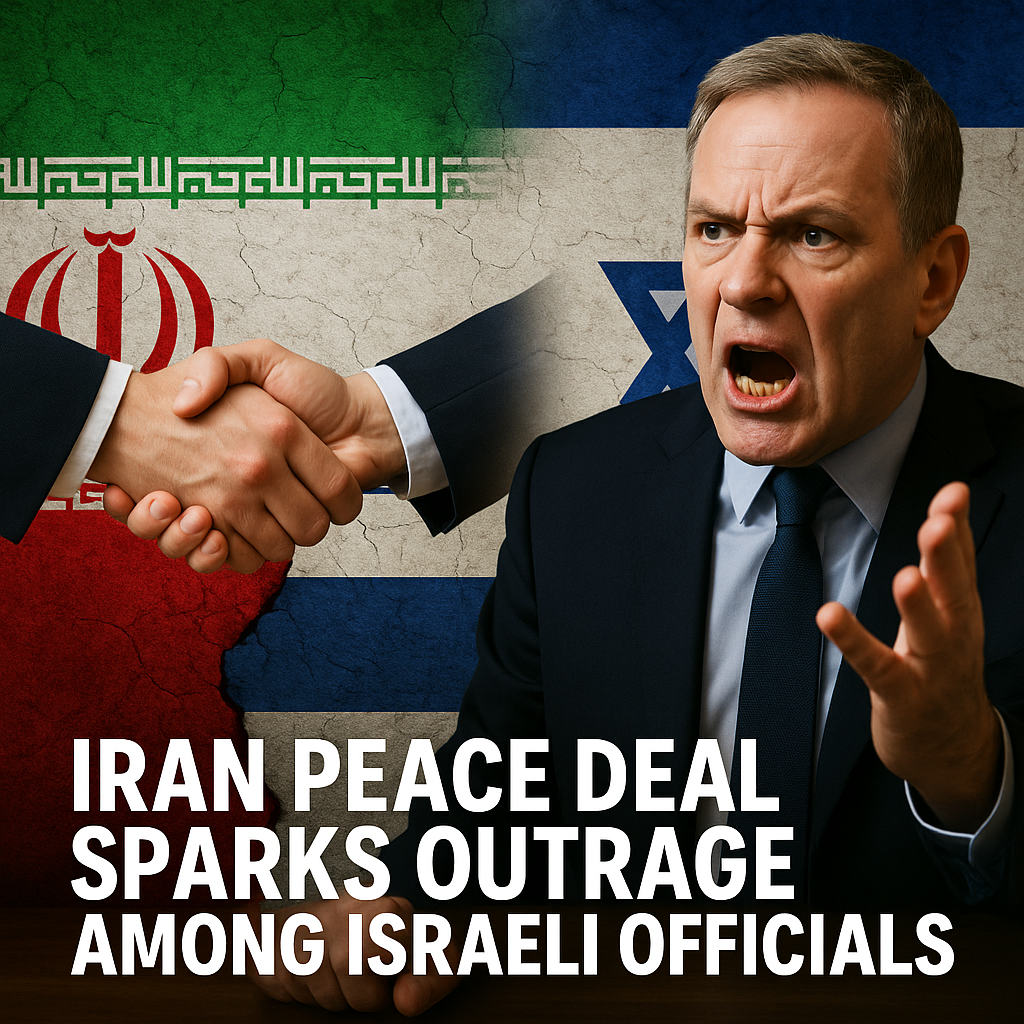
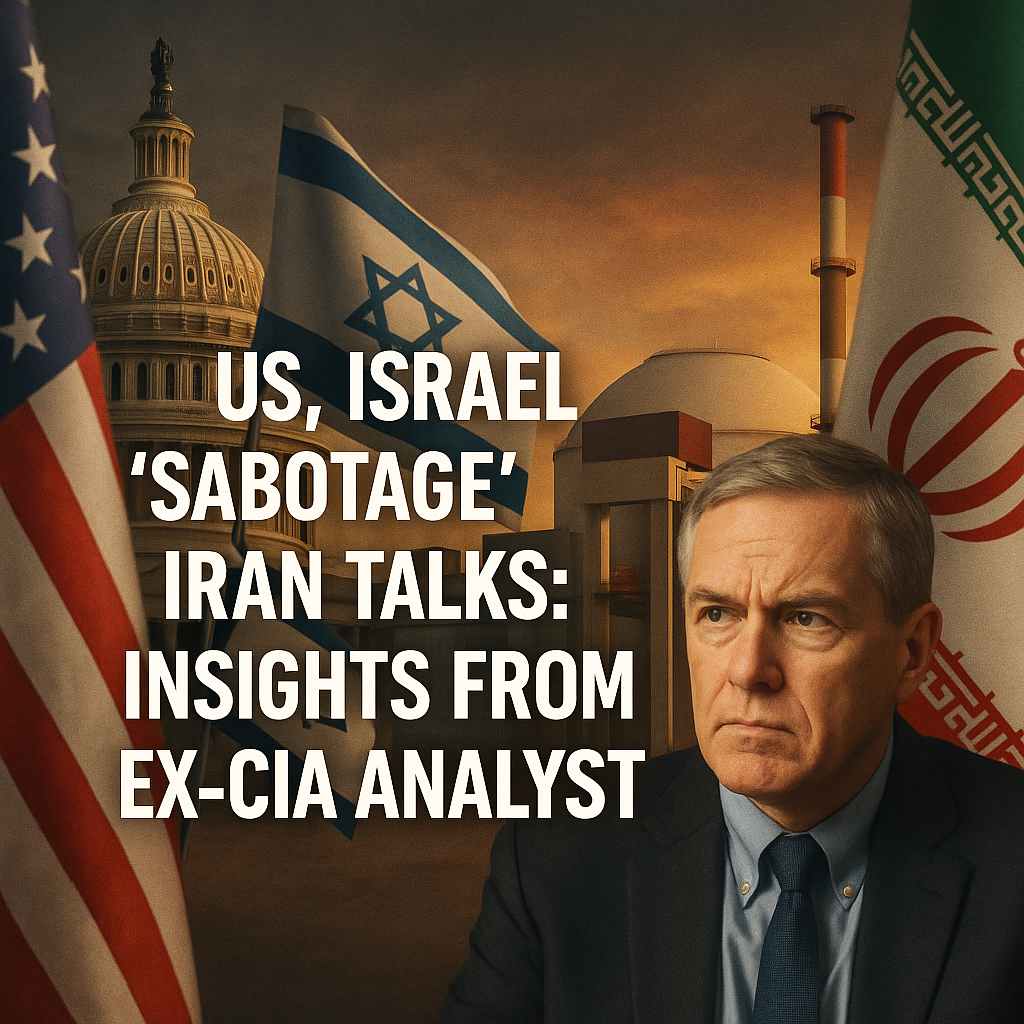
Are the U.S. and Israel playing a dangerous game by sabotaging talks with Iran? Former CIA analyst John Kiriakou suggests that their actions could not only derail peace efforts but also lead to escalating tensions in the region—what does this mean for the future of international relations?
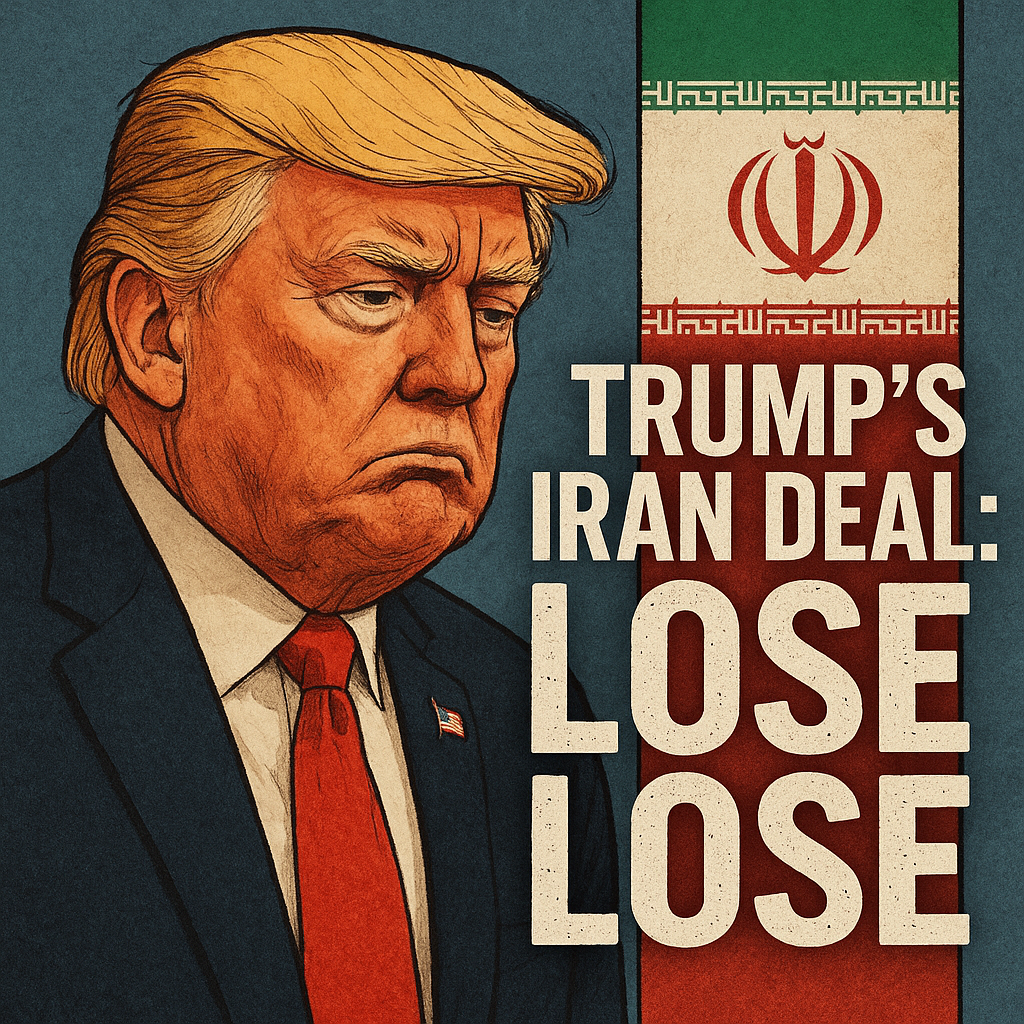
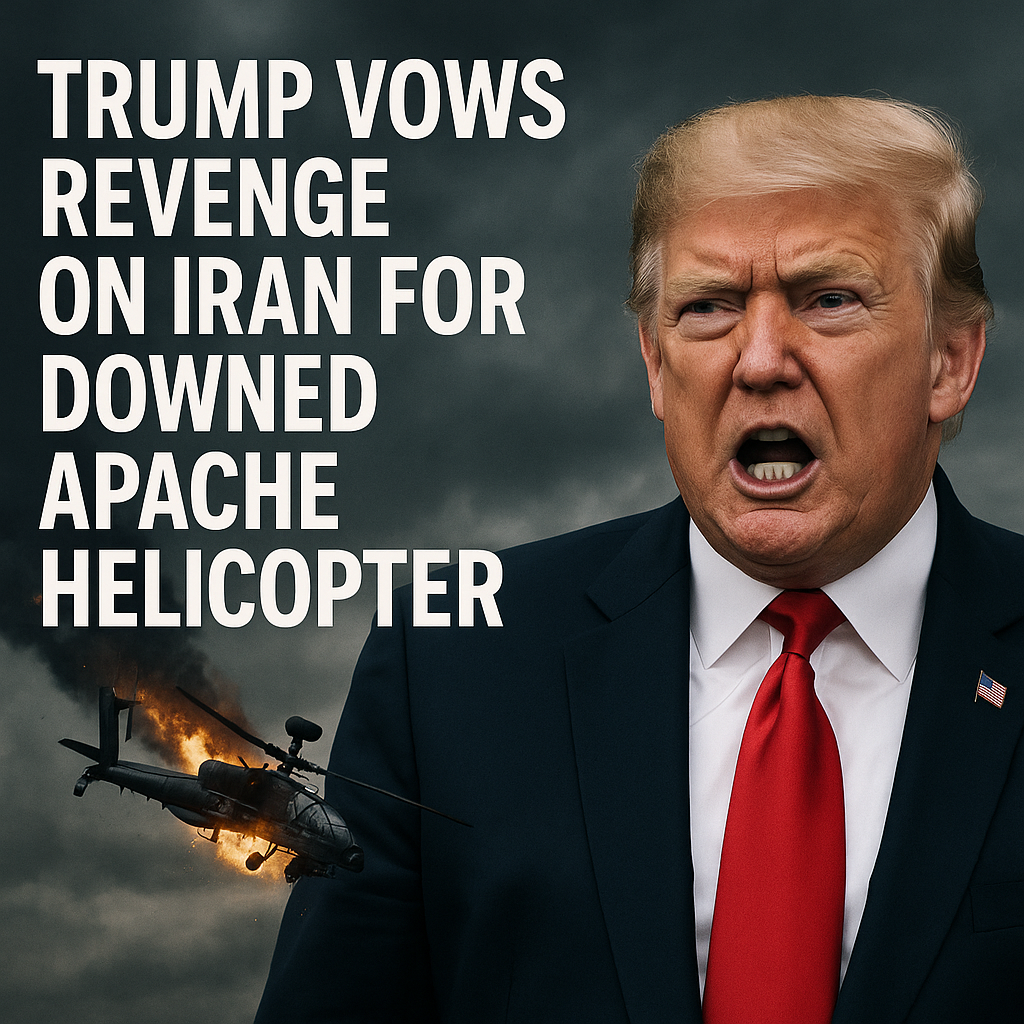
Former President Trump has sparked a firestorm by vowing revenge on Iran after the downing of a U.S. Apache helicopter, igniting a debate over the future of U.S.-Iran relations and regional stability. With tensions rising, will this be a turning point or just another chapter in a long history of conflict?
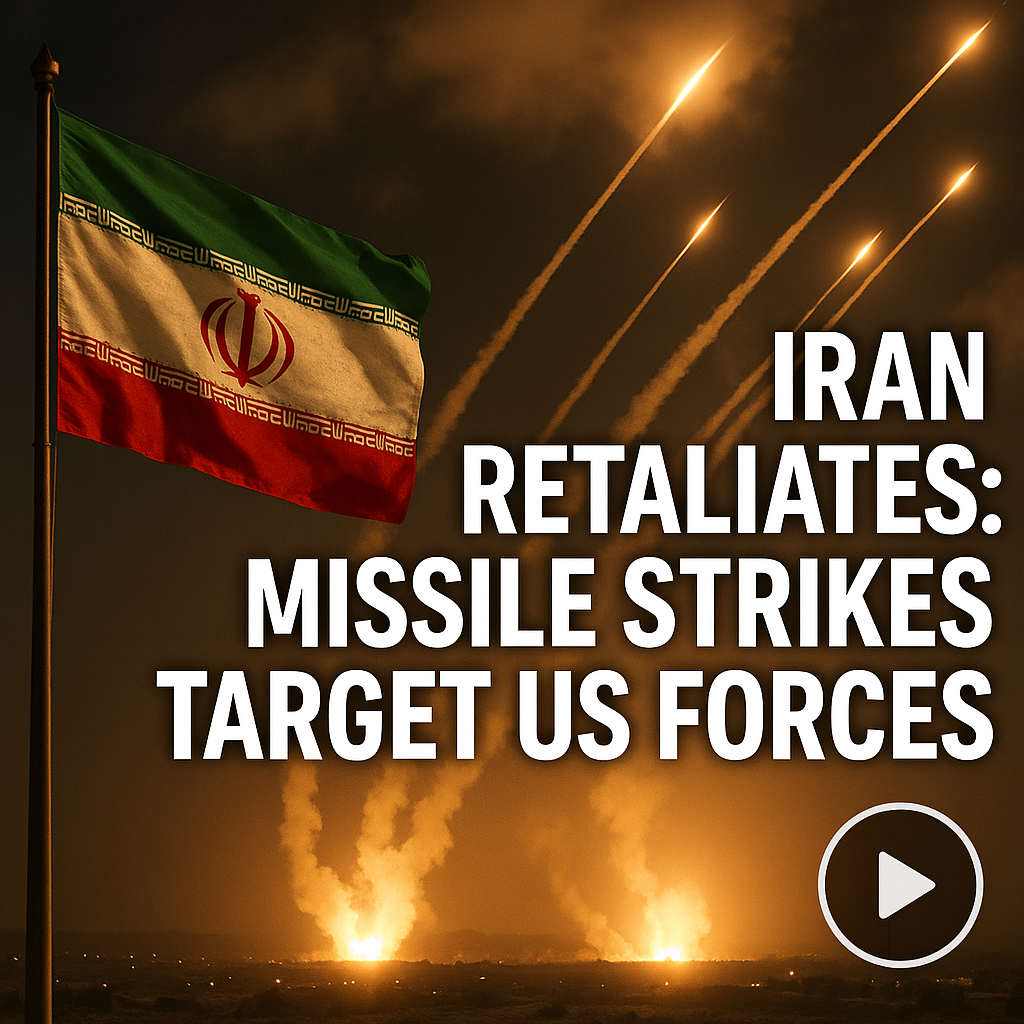
Tensions in the Middle East are reaching new heights, with shocking footage emerging of Iranian missiles purportedly aimed at Israel. Dive into the complexities behind this dramatic development and what it means for regional stability.
Amid festive celebrations in Tehran, the air crackles with tension as missiles are launched toward Israel, creating a striking scene of national pride intertwined with geopolitical discord. As citizens rally in solidarity, the world watches closely, unveiling the intricate layers of resilience and defiance in this complex narrative.
Tensions between Iran and Israel are reaching a boiling point, with missile strikes flying amidst the chaos of the recent Beirut attack—an alarming escalation that sends shockwaves through the region and puts the world on high alert.
In a stunning turn of events, Iran has launched missiles at Israel in response to escalating tensions following a major attack in Beirut, amplifying the intricate power plays in the Middle East. As the region teeters on the brink of broader conflict, the stakes have never been higher—what does this mean for the fragile balance of power?
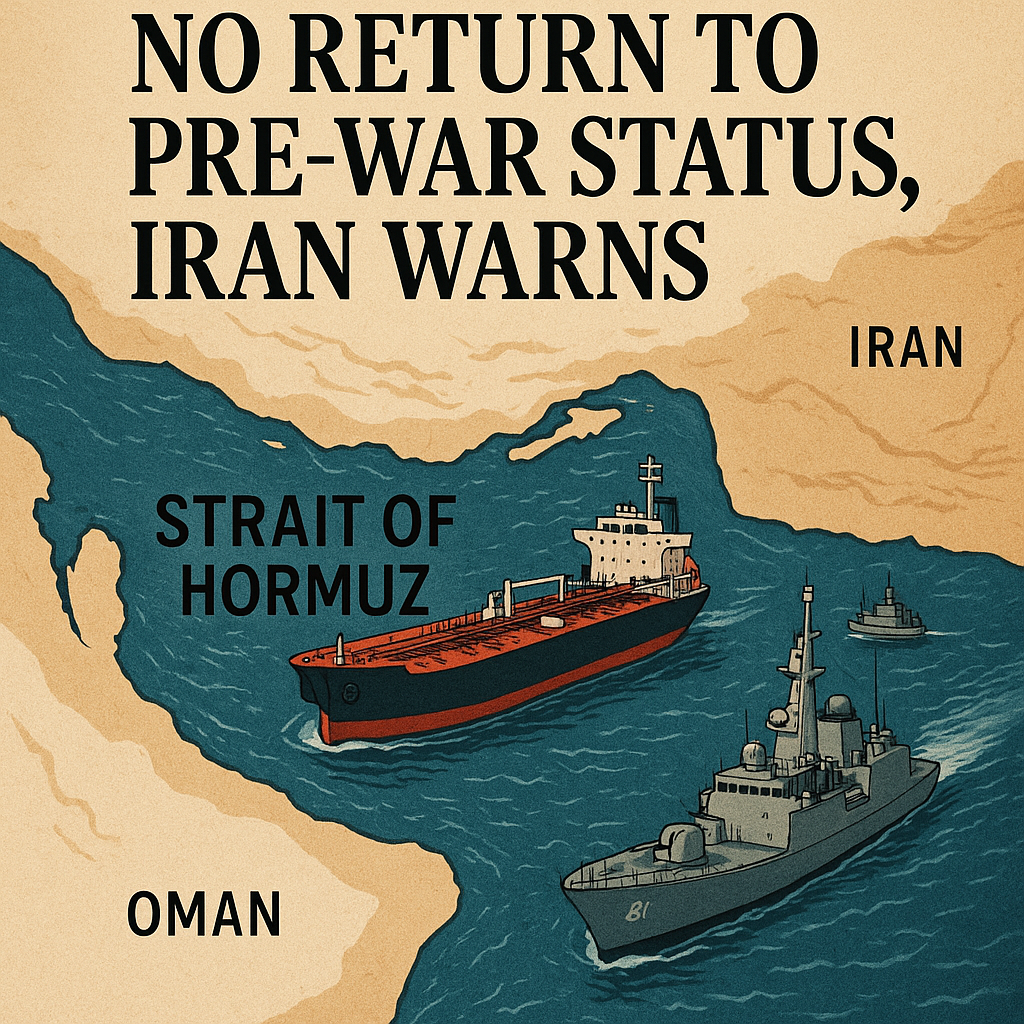
Irans patience is wearing thin as it grapples with what it sees as repeated ceasefire violations by Israel and the U.S. — a situation that could spark significant regional tensions if left unchecked.
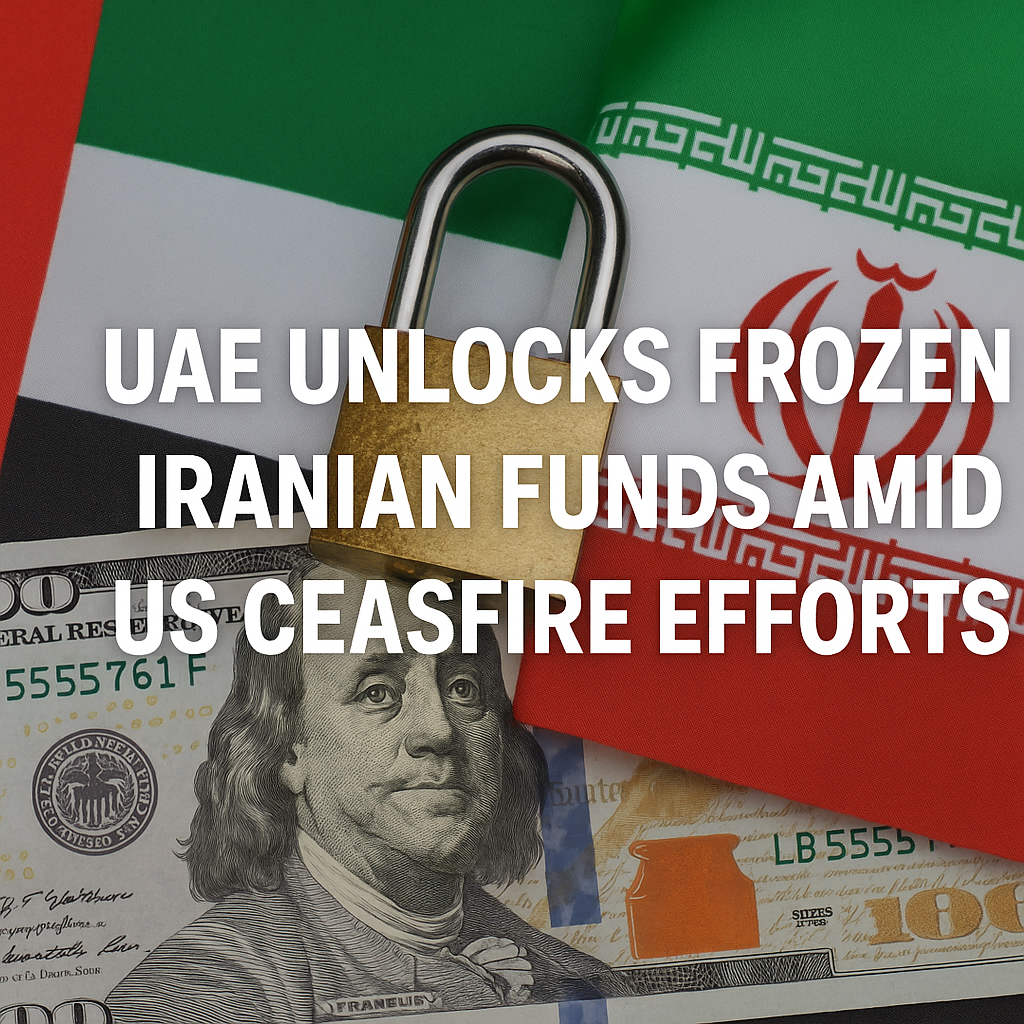
The U.S. is gearing up to send frozen Iranian assets to Gulf allies, a move that could reshape international alliances and raise eyebrows in diplomatic circles. As tensions with Iran persist, this bold decision aims to bolster regional economies while navigating a complex web of geopolitical ramifications.
Hezbollahs bold rejection of the U.S.-brokered ceasefire with Israel has sent shockwaves through the Middle East, highlighting the groups insistence that any agreement must prioritize Lebanese interests and national sovereignty. As tensions rise, the stakes for regional stability have never been higher!
As Lebanon grapples with unrest fueled by tensions with Israel, the implications for U.S.-Iran diplomacy are becoming alarmingly complex—could this turmoil open new doors for negotiation or deepen the divide? Dive in to explore how this volatile landscape impacts us all!