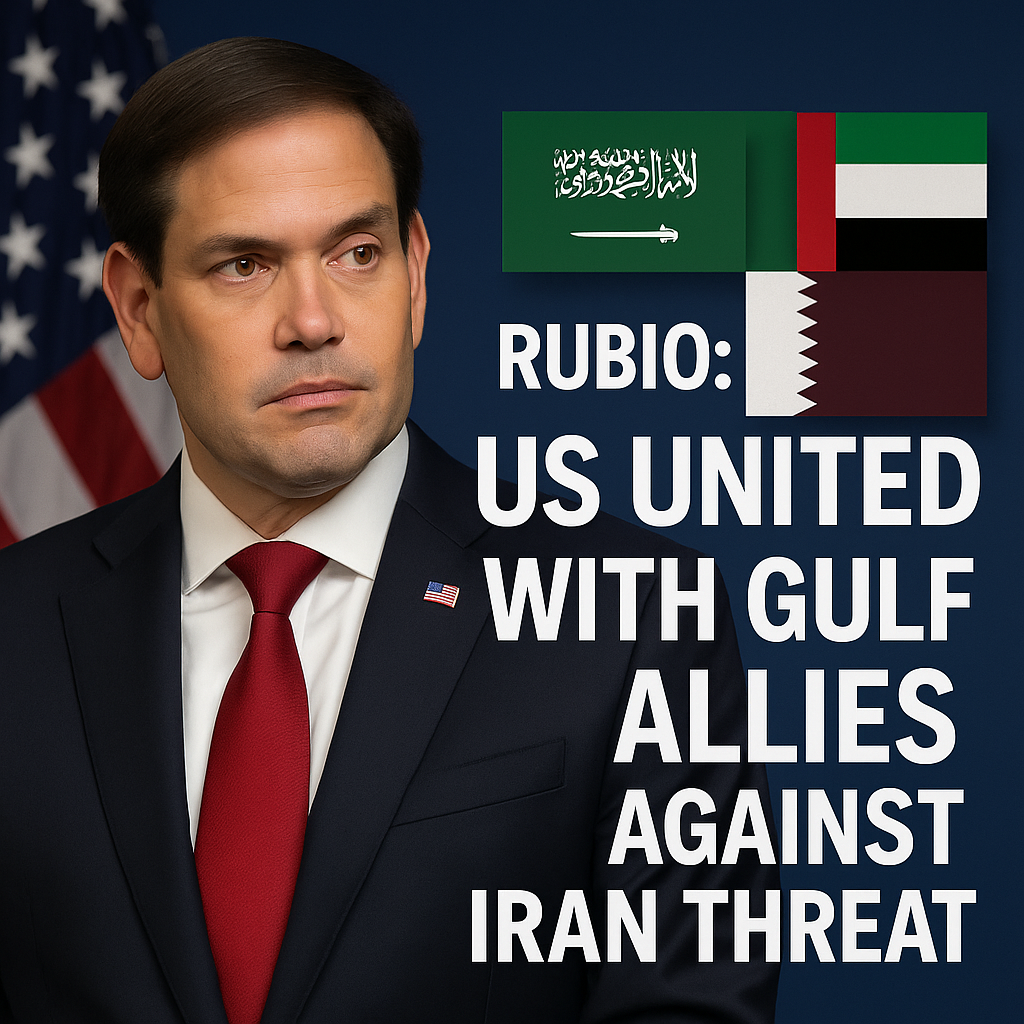
Senator Marco Rubio highlights a crucial alliance, affirming that the U.S. stands firmly united with Gulf allies against Irans rising threats. With tensions flaring, this partnership is not just talk—its about real military cooperation to ensure regional security!
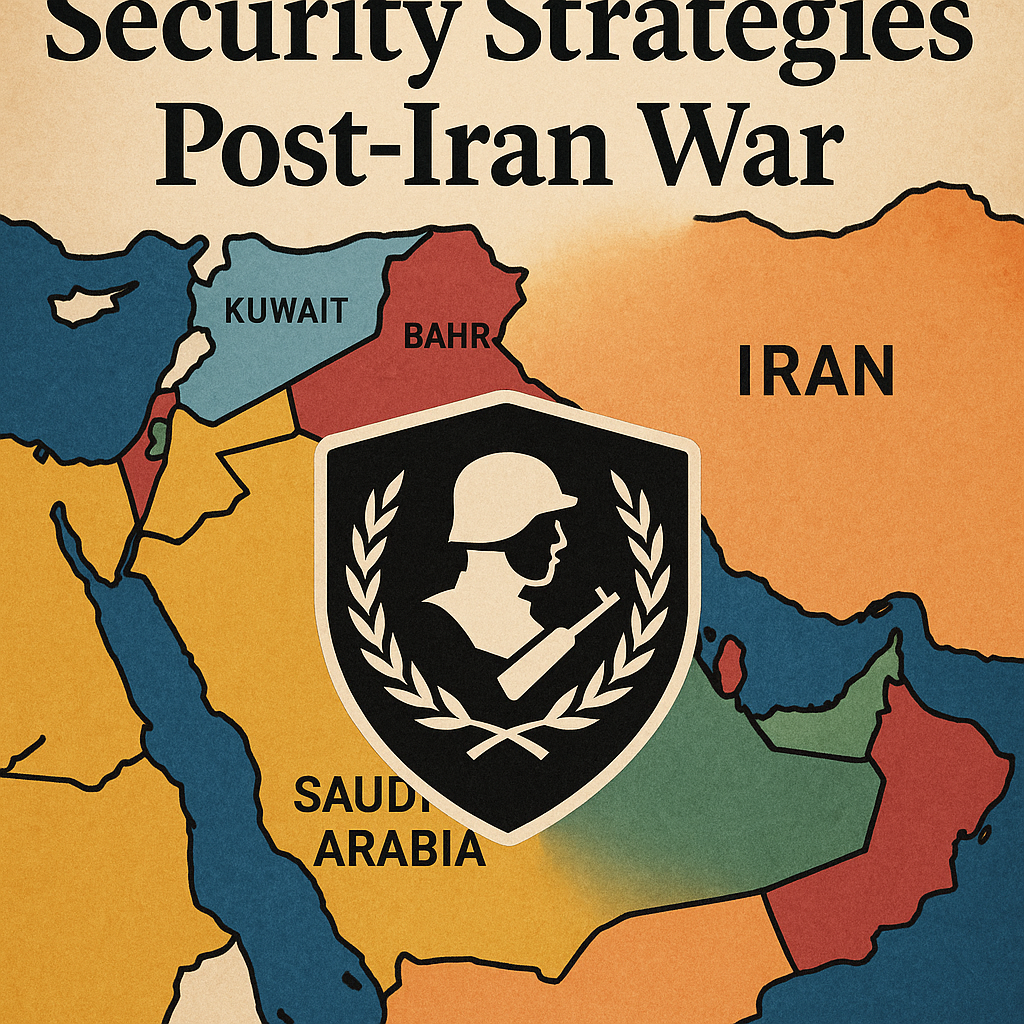
In the aftermath of the Iran War, Gulf nations are at a crossroads, redefining their collective security strategies to boost stability and foster cooperation. As they embrace a more autonomous approach, balancing military readiness with diplomatic efforts, the region is poised for a transformative shift in its geopolitical landscape.
The Pentagon has officially classified Israels espionage activities as critical, raising alarm bells about potential threats to national security and the intricacies of U.S.-Israel relations. As concerns mount over intensified intelligence gathering, what does this mean for trust among allies in an increasingly complex geopolitical landscape?
Tulsi Gabbard has sparked heated debate by blocking intel sharing on the Russia-Ukraine talks, igniting a discussion on the complexities of U.S. involvement in foreign conflicts. With sharp divides in opinion on military action versus diplomacy, her stance raises critical questions about our role in global affairs.