At this years G7 Summit, the spotlight shone brightly on Iran and Ukraine, as leaders rallied to address pivotal global challenges amidst swirling tensions and the urgent call for solidarity in the face of conflict. With Ukraine seeking unwavering support against Russian aggression and Irans ambitions sparking crucial diplomatic debates, the summit promises to shape the future of international relations.
Today marks a pivotal moment as the EU officially kicks off the accession journey for Ukraine and Moldova, solidifying their aspirations for a brighter future anchored in European unity. This is more than a formality—its a bold step towards stability and solidarity in a region facing unprecedented challenges.
At the G7 Summit, former President Trump sparked debate by pushing for a fresh diplomatic approach to the Iran nuclear deal and reaffirming his support for Ukraine, arguing that peaceful negotiations can pave the way for global stability. His bold stance ignites a vital conversation about how dialogue may hold the key to navigating today’s complex international landscape.
In a surprising twist, Ukrainian President Volodymyr Zelensky was left off the invite list for the recent G7 meeting, igniting debate about the West’s commitment to Ukraine amidst its ongoing struggle with Russia. What does this exclusion say about shifting priorities in global politics?
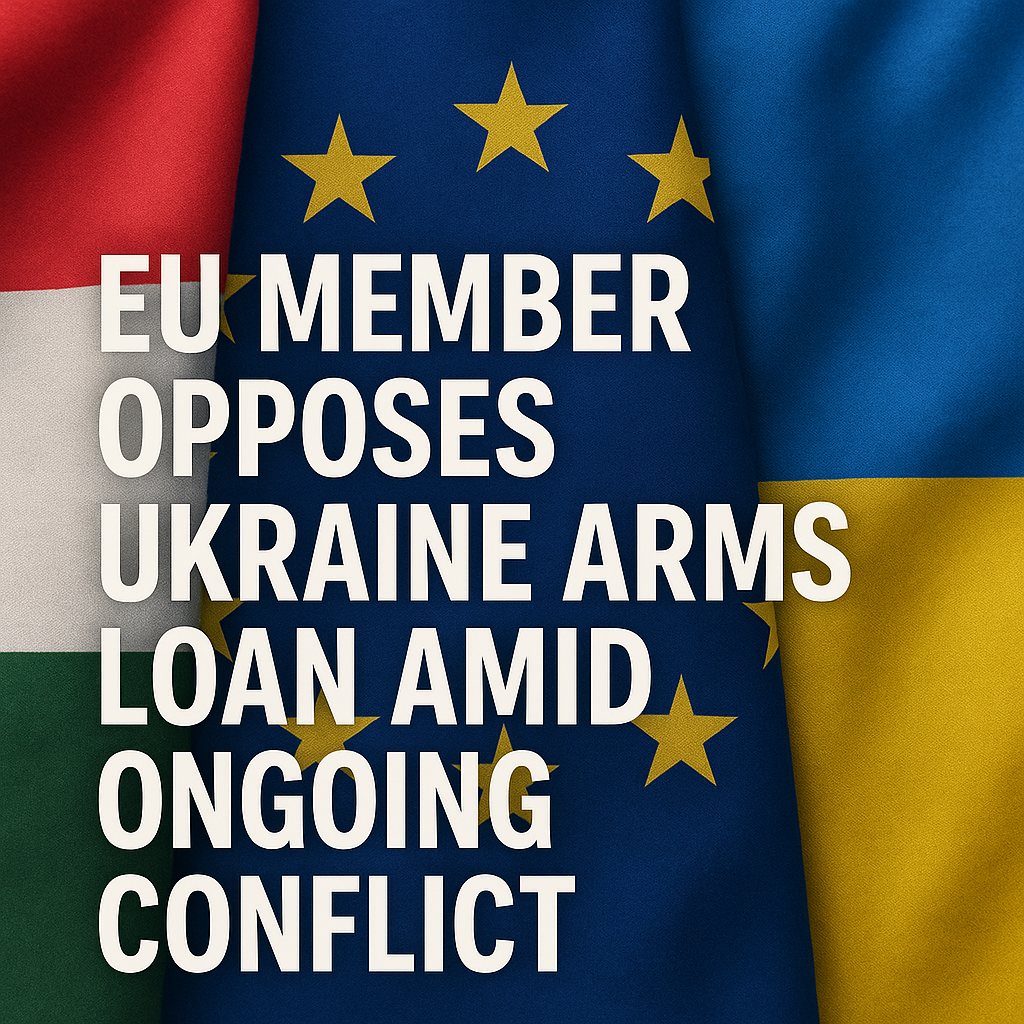
Discover the fascinating interplay between Hungarys national interests and Ukraines EU ambitions as we unpack the vital conditions set by Hungary that could shape the future of both nations in Europe!
Ukraine is making bold moves in the ongoing conflict, recently targeting a key Russian sea terminal to disrupt their energy supply—a strategic shift that could reshape the battlefield and impact the broader war narrative. As the stakes rise, this offensive not only challenges Russias resources but also showcases Ukraines determination to rally support at home and assert its influence on future negotiations.
Exciting news for Europe! The EU has officially kicked off the accession process for Ukraine and Moldova, marking a historic step towards greater unity and support in the face of regional challenges.
In a surprising turn, Putin has openly admitted that the ongoing Ukraine conflict is hitting Russias economy hard, signaling a shift in the Kremlin’s usual narrative of resilience. As sectors like exports and energy feel the pinch from sanctions and military costs, the economic toll is becoming impossible to ignore!
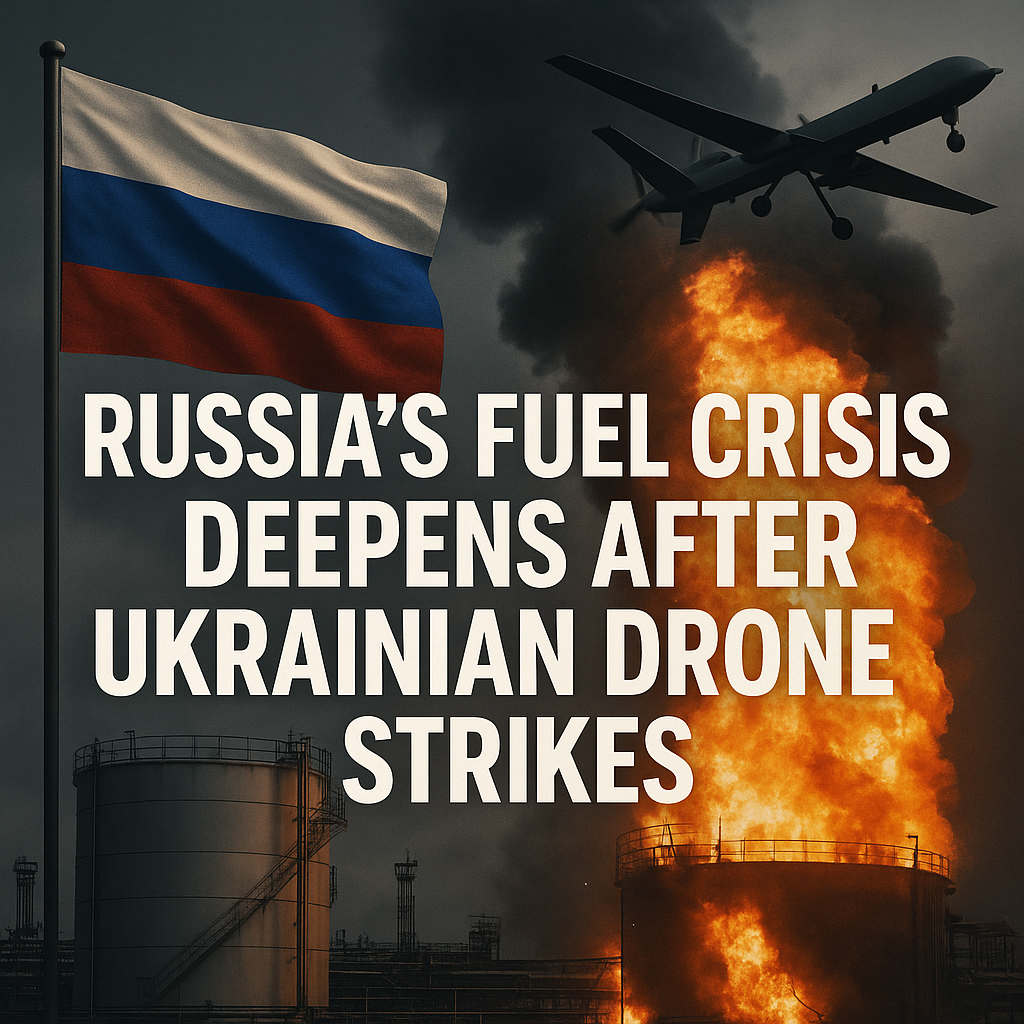
Ukraines recent strikes on Crimeas fuel refineries have ignited the worst fuel crisis since 2014, spotlighting the ongoing tensions in the region as residents face long queues for gas and a race against dwindling supplies. Dive into the unfolding drama, where military strategy meets everyday struggles!
As the battlefield evolves, NATOs push for a self-destruct feature on Ukraines drones underscores a vital commitment to security and ethics in modern warfare—ensuring control while mitigating risks of technology falling into the wrong hands.