
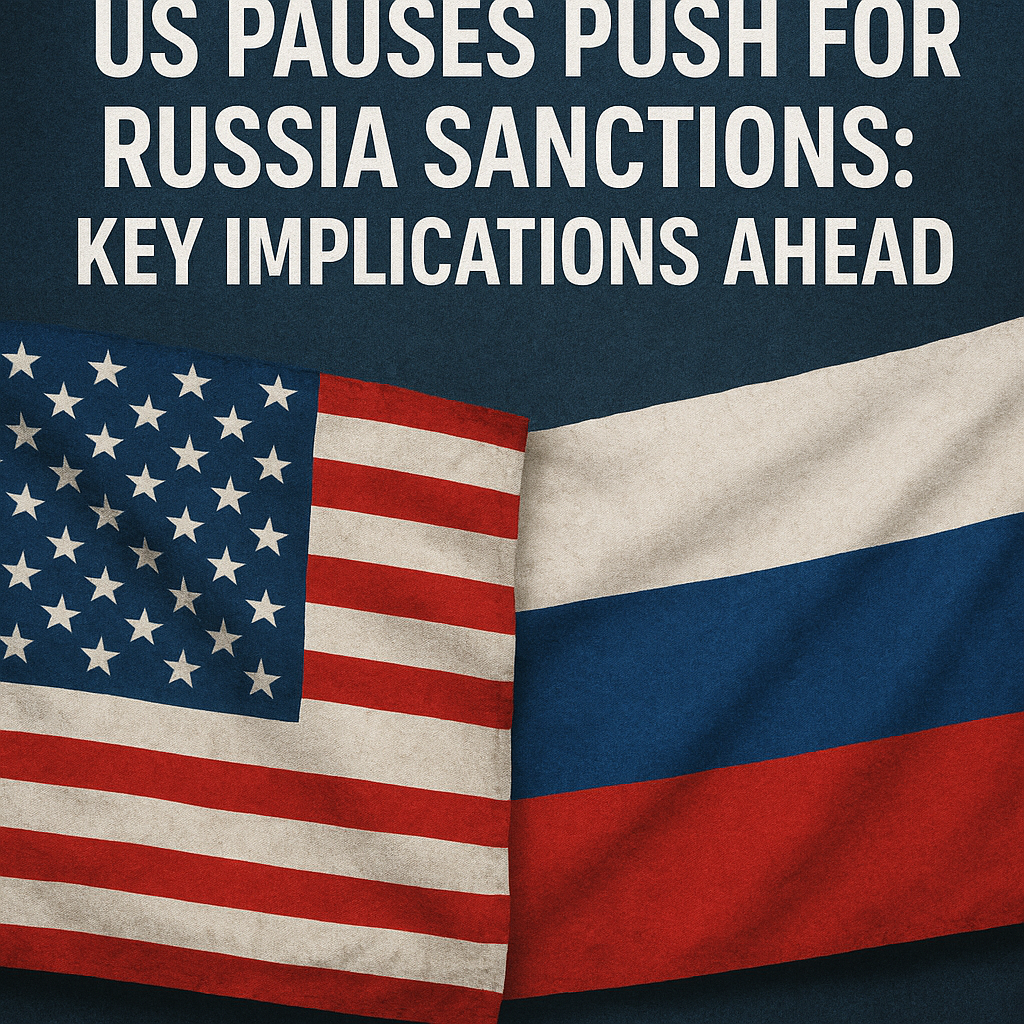
In a surprising twist, the U.S. has hit pause on new sanctions against Russia, sparking a vital conversation about the future of international relations amidst ongoing tensions. What does this mean for diplomatic efforts and global stability? Lets dive in!
In a bold declaration, Trump asserts that the U.S. wont guarantee Ukraines security, igniting a heated debate on military commitments and Europes role in its own defense. This shift raises critical questions about the future of NATO and the ongoing struggle against Russian aggression—what does it mean for global stability?
The U.S. has just approved a game-changing cruise missile sale to Ukraine, significantly boosting its defense capabilities against ongoing threats and marking a pivotal moment in the fight for sovereignty in Eastern Europe. This bold step not only strengthens Ukraines military stance but also sends a clear message against Russian aggression.
In a surprising turn, the U.S. has dismantled a key center aimed at countering Russian influence, prompting debates about the future of American foreign policy and what this means for global stability. Are we stepping back from confrontation in favor of diplomacy, or are we opening the door for Russia to expand its influence unchecked?
The United States is taking a fresh look at the 2008 Russia-Georgia war, reflecting on its historical implications and the complexities that shaped this pivotal moment in geopolitics—especially as tensions rise in Eastern Europe. As narratives evolve, so does our understanding of the factors at play, highlighting the intricate web of regional politics.
