Trump Allies Support Israelis Amid US-Iran Deal Tensions

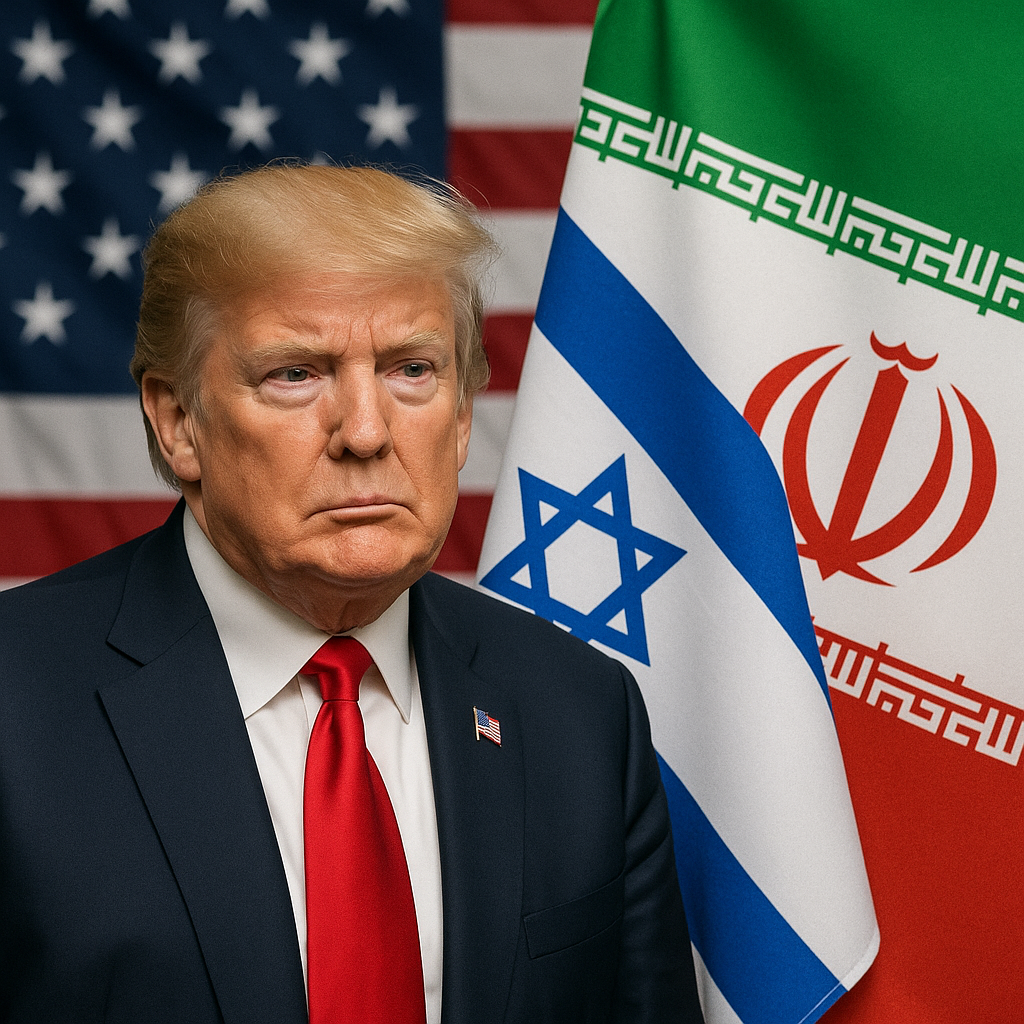
In recent months, tensions surrounding the potential revival of a U.S.-Iran nuclear deal have escalated, prompting various geopolitical actors to reassess their alignments and strategies, particularly in the Middle East. Notably, allies of former President Donald Trump have stepped forward to offer their support to Israel, emphasizing the importance of maintaining a strong stance against Iran amidst these evolving circumstances.

The Complex Landscape of U.S.-Iran Relations
As the U.S. administration considers a possible return to a previous nuclear agreement with Iran, Israeli officials have expressed deep concerns about the implications for their national security. The 2015 Joint Comprehensive Plan of Action (JCPOA) lifted many sanctions on Iran in exchange for curbs on its nuclear program. However, the Trump administration’s withdrawal from the deal in 2018 reignited hostilities, raising questions about its future amidst talks of renewal.


Trump allies, notably prominent figures like Mike Pompeo and Nikki Haley, have emphasized the necessity of unyielding support for Israel. They argue that any deal reached with Iran could empower its regional ambitions, increase its nuclear capability, and exacerbate threats to Israeli security. This perspective is underlined by the sentiment that Iran’s actions, including its support for groups such as Hezbollah and Hamas, pose an ongoing risk to both Israel and broader regional stability.


Diverging Perspectives on Support for Israel
While Trump allies maintain a firm pro-Israel stance, there is a parallel conversation about the U.S.’s role in the region and its implications for peace. Some analysts from different viewpoints argue that U.S. support for Israel should not come at the expense of a diplomatic solution to the Iranian threat. They advocate for engaging all regional actors, proposing that a dialogue-centric approach could foster greater stability and diminish hostilities.
For instance, recent discussions in various platforms suggest that moving toward reconciliation with Iran, rather than isolation or confrontation, might yield more substantial long-term benefits for Israel. The critics of the hardline approach argue that escalating military support and rhetoric may ultimately lead to further conflict, potentially destabilizing the region rather than protecting Israeli interests. They suggest a balanced approach that incorporates both defense and diplomatic dialogue may be more effective in ensuring peace and security.
The Stakes for Israel
Israel’s position in this geopolitical framework is complex. Friends and foes alike recognize its technological and military capabilities, but also its vulnerability given its smaller population and geographic conditions. Key Israeli leaders have made it clear that their primary focus remains on national security—backed by the unwavering support from the U.S. in military and diplomatic arenas.
As Trump allies vocalize their commitment to Israel, it brings a heightened visibility to the challenges posed by Iran. The ongoing narrative emphasizes that a nuclear-armed Iran would create an unprecedented threat, solidifying the need for a cohesive strategy among Western nations and Israel. This alliance creates a dichotomy of urgency around strengthening Israel’s defenses versus negotiating the intricacies of international diplomacy with Iran.
Conclusion: A Path Forward
The nature of international relations in the Middle East remains fluid, marked by ongoing reevaluations of alliances and strategies. The support for Israel from Trump’s former allies highlights a significant facet of current geopolitical dynamics, underpinned by a shared apprehension towards Iran. However, juxtaposed against this is the critical argument for dialogue and negotiation as key components of any sustainable peace in the region.
As discussions around the U.S.-Iran nuclear deal continue, both proponents of hardline approaches and those advocating for diplomatic engagement agree on one point: the stakes are incredibly high. The outcome of these negotiations could have lasting implications not just for Israel’s security, but for the stability of the Middle East as a whole. The discourse surrounding these developments will require careful consideration and perhaps a more nuanced approach than has traditionally been taken, weighing both immediate security concerns and the potential for long-term resolutions.