Trump Cuts Regulations on US Commercial Fishing

Trump Cuts Regulations on US Commercial Fishing
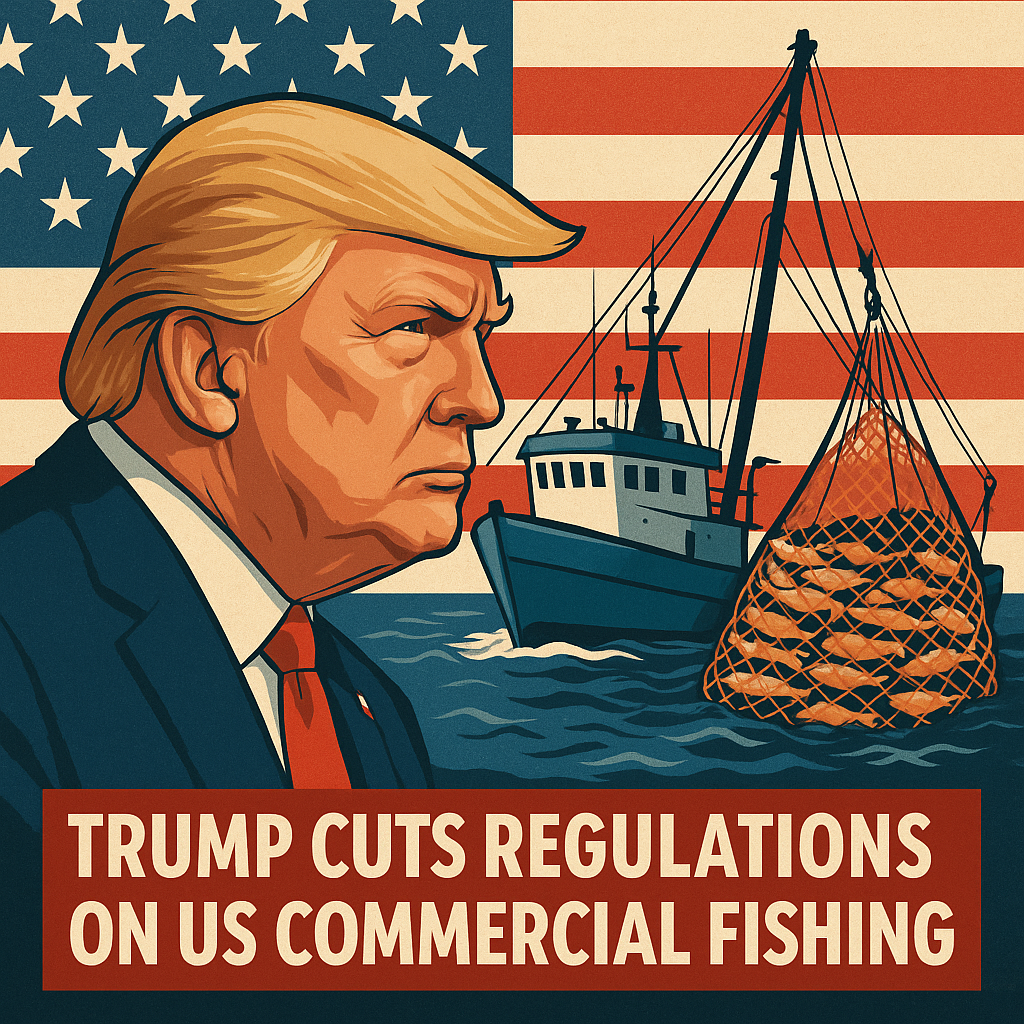
In a move that has stirred considerable debate within environmental and fishing communities, the Trump administration recently announced plans to cut regulations on commercial fishing in the United States. This decision is seen as part of a broader strategy to bolster the nation’s economy and support local fishermen, yet it also raises significant questions about its potential environmental impact and long-term sustainability.

Economic Motivations Behind Deregulation
The primary motivation for reducing regulations in the commercial fishing sector appears to be economic growth. Proponents of the initiative argue that easing restrictions will provide a much-needed boost to local economies heavily reliant on fishing. Areas such as the Gulf of Mexico and the Atlantic coast, where fishing is vital to livelihoods, are expected to benefit significantly from this policy shift. By allowing for increased catches and fewer bureaucratic hurdles, the Trump administration hopes to empower local fishermen and enhance the overall productivity of the fishing industry.


Statistics show a troubling picture in recent years, with many local fisheries struggling under stringent regulations intended to manage fish populations sustainably. Supporters of the deregulation argue that these policies have hindered economic recovery for American fishermen. Figures indicate that the fishing sector contributes billions to the economy, yet many perceive that regulatory burdens have stifled growth.


However, while the economic arguments are compelling, they are not without contention. Critics of the deregulation emphasize that the potential for overfishing could undermine the very foundation of the fishing industry. Environmental advocates argue that sustainability should take precedence over short-term economic gain. They’ve pointed out instances where relaxed regulations have led to significant declines in fish populations, which ultimately jeopardizes not just the environment but the fishing industry itself.
Environmental Concerns and Sustainability Implications
As commercial fishing regulations loosen, environmentalists have voiced growing concerns over the potential repercussions on fish populations and marine ecosystems. The National Oceanic and Atmospheric Administration (NOAA) has previously warned about the delicate balance required to maintain sustainable fisheries. Critics argue that cutting regulations could accelerate depletion of certain fish stocks, leading to irreparable harm to marine biodiversity.
Research conducted by various marine conservation organizations highlights a troubling trend: when regulations are sacrificed for economic gains, the long-term sustainability of fish stocks often suffers. Species that are already under threat could face further risks, pushing many to the brink of extinction. For instance, the overfishing of species like cod in the North Atlantic serves as a cautionary tale of what could happen if regulations are not carefully managed.
Moreover, some reports have underscored the bipartisan nature of concern over the health of fishing industries. While some view the Trump administration’s push for deregulation as a necessary economic policy, others, including industry insiders, recognize that responsible management practices are critical for ensuring their future competitiveness.
A Balanced Perspective
The debate surrounding the deregulation of commercial fishing in the United States encapsulates the complex interplay between economic interests and environmental stewardship. It raises a fundamental question: can the fishing industry thrive without compromising the sustainability of fish populations? The perspectives on this issue are diverse, with valid points raised from both sides.
On one hand, cutting regulations could breathe new life into local economies, greatly benefiting those whose livelihoods depend on fishing. On the other hand, unregulated fishing practices could lead to severe consequences for marine ecosystems, adversely affecting not just species, but also the long-term viability of the industry itself.
As stakeholders navigate this multifaceted landscape, it is imperative to weigh both economic benefits and environmental health. Collaborative efforts that include fishermen, regulators, and conservationists might pave the way for a more sustainable approach to commercial fishing that honors both livelihoods and the ocean’s rich biodiversity.
In conclusion, the current push to cut regulations on U.S. commercial fishing exemplifies a critical topic where economic ambitions intersect with environmental responsibilities. As opinions diverge, and as stakeholders on various sides present their cases, the future of the fishing industry may depend on finding a nuanced balance between growth and sustainability. The path forward will require careful consideration of the multifaceted implications that accompany such a significant policy shift.