Iran’s Last Supreme Leader Funeral: A Historical Insight

Iran’s Last Supreme Leader Funeral: A Historical Insight
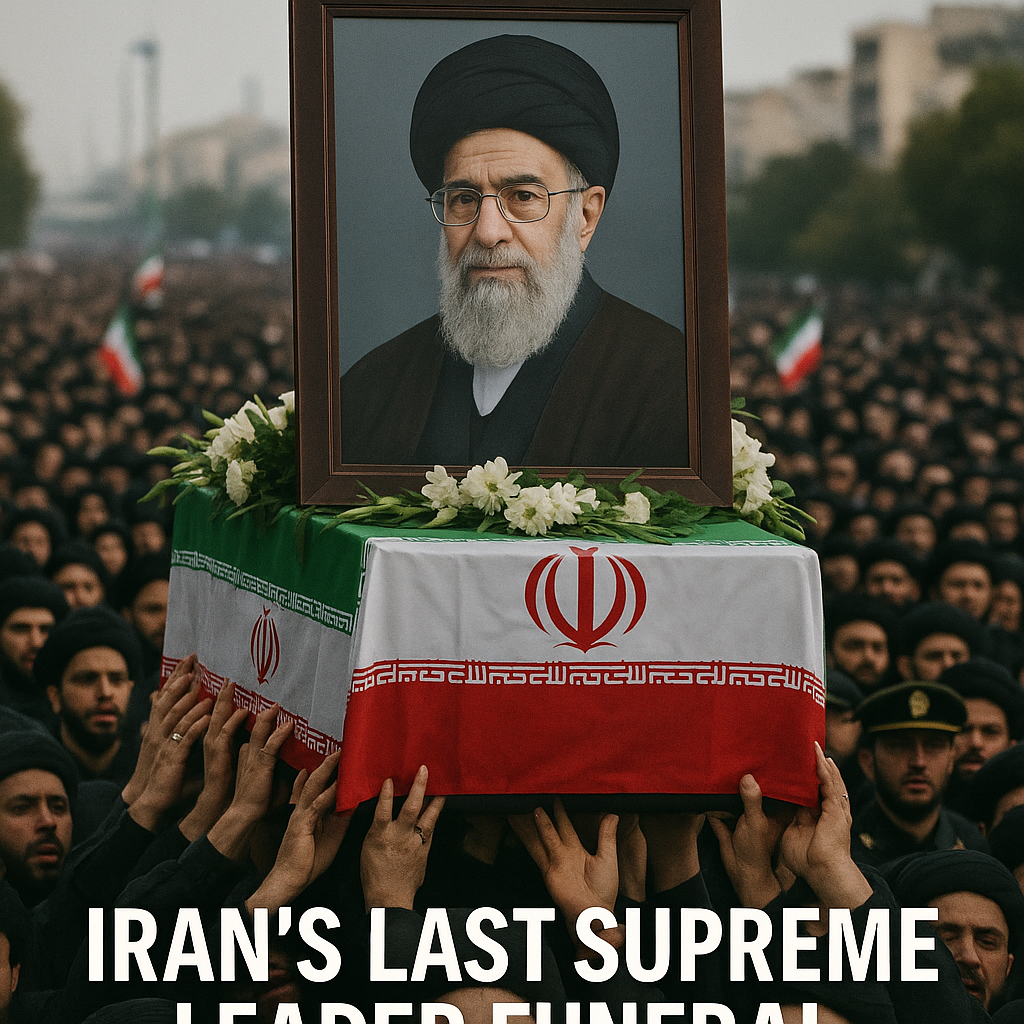
The recent funeral of Iran’s last Supreme Leader marked a significant moment in the nation’s contemporary history, evoking feelings of national pride, grief, and political tension. This event not only reflects the socio-political landscape of Iran but also provides a lens through which to examine the state’s historical evolution and the complexities surrounding leadership transitions.

The Importance of the Supreme Leader’s Role
In Iranian governance, the Supreme Leader occupies a position of utmost authority, significantly shaping both domestic and foreign policies. The recent passing of the Supreme Leader has sent shockwaves throughout the country. The role encapsulates the ideology of the Islamic Republic founded on the tenets of the 1979 revolution, emphasizing the fusion of religious and political authority. For many Iranians, the Supreme Leader symbolizes not only spiritual guidance but also national sovereignty and resilience against foreign adversaries.


During the funeral, state-sponsored media highlighted the last Supreme Leader’s achievements, emphasizing his steadfastness against perceived Western imperialism and commitment to upholding Islamic values. A report from Al Jazeera noted that the ceremonial displays and public mourning were intended to reinforce the ideals he represented, aiming to galvanize the population at a time when economic challenges and social unrest are prevalent.


The Public Response and Political Implications
The public’s reaction to the funeral was deeply polarized, reflective of Iran’s complex societal fabric. While many gathered to pay respects, expressing sorrow and loyalty to the deceased leader, others viewed the event as an opportunity to voice discontent regarding economic hardship and political repression. The dichotomy in public sentiment reveals wider tensions in Iranian society, as citizens grapple with the dual burden of adhering to a longstanding political system while yearning for reform.
Reports from various outlets such as Sky News observed that the state utilized the occasion to reaffirm its control over the narrative surrounding the Supreme Leader’s death. They emphasized the importance of continuity in leadership and the need for unity in facing both internal and external challenges. Yet, pockets of dissent emerged, as activists and critics leveraged the atmosphere to critique the regime’s governance, shedding light on the stark realities of life under authoritarian rule.
A Legacy of Controversy and Reflection
The legacy left by the last Supreme Leader is imbued with both reverence and controversy. Supporters argue that his policies strengthened Iran’s position in the Middle East, while critics contend that his tenure exacerbated issues of human rights violations and economic mismanagement. The intersection of these viewpoints paints a nuanced picture of his influence.
In the days following the funeral, discussions emerged about the potential successors and their capability to navigate Iran’s complex landscape. Observers from various news platforms, including RT, noted that the next Supreme Leader would inherit immense challenges, including public unrest and international isolation. As Iran prepares for this transition, it is crucial for the incoming leadership to recognize the need for reform while maintaining the foundational values established by their predecessor.
Conclusion: A Turning Point for Iran
The funeral of Iran’s last Supreme Leader is more than a mere ceremonial observance; it is a pivotal moment that could shape the future of the nation. As Iran transitions into a new era of leadership, the implications of this event will resonate not only within its borders but also in the dynamics of the broader geopolitical landscape.
With rising calls for change balancing against the historical weight of revolutionary ideals, the funeral serves as a testament to Iran’s quest for identity, stability, and respect on the world stage. Moving forward, the nation’s leaders must consider the diverse perspectives of their populace, understanding that the way they navigate this transition will significantly influence Iran’s path ahead.