
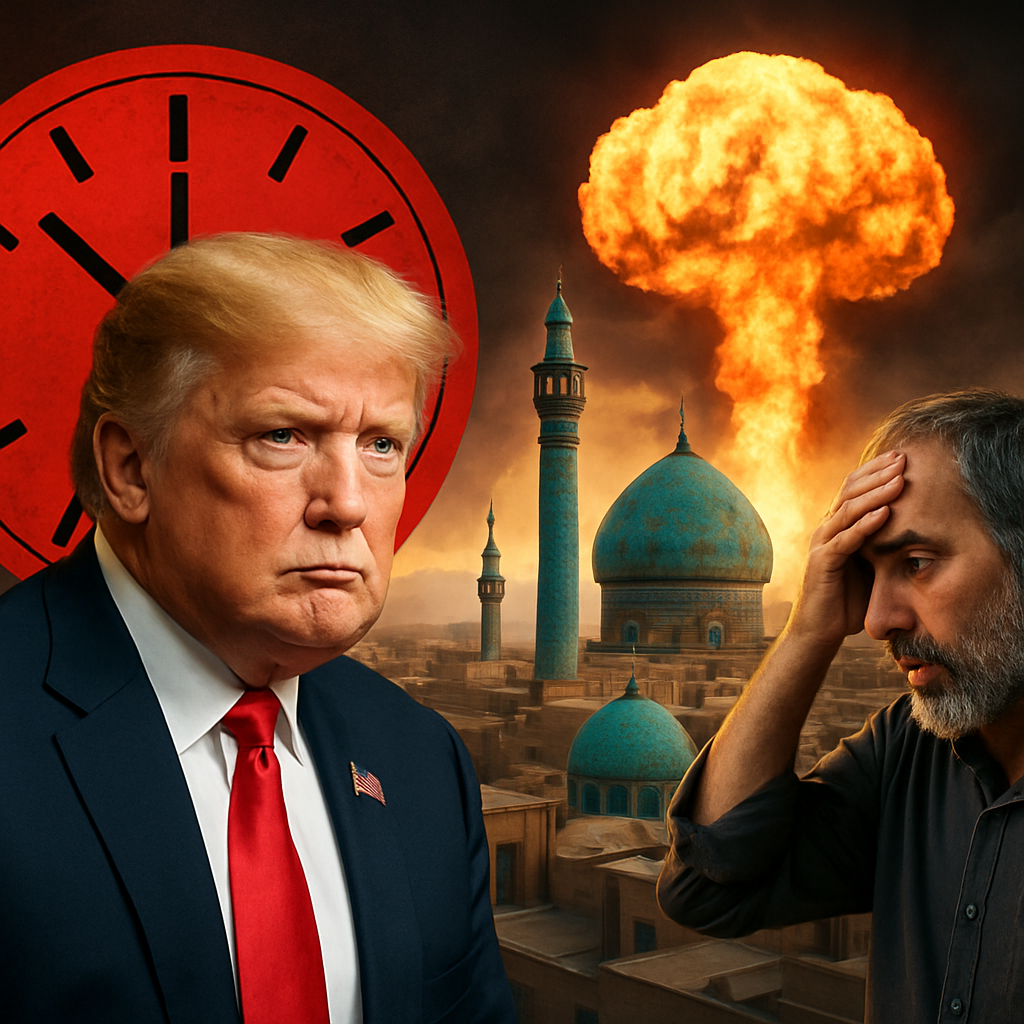
Trump’s Deadline: Iranians Brace for Impending Devastation

Trump’s Deadline: Iranians Brace for Impending Devastation
As tensions escalate between the United States and Iran, many Iranians find themselves bracing for what could be a period of significant upheaval. The looming deadline set by former President Donald Trump regarding sanctions and military interventions has raised concerns about the potential devastation that may follow. This article sheds light on the complex landscape that surrounds these developments, illuminating various perspectives from reputable sources.

Understanding the Context
The geopolitical environment in which these events unfold is fraught with historical animosities and strategic calculations. The U.S. withdrawal from the Joint Comprehensive Plan of Action (JCPOA) in 2018 under Trump’s administration marked a significant turning point, leading to a series of escalating tensions. Trump’s strict sanctions have targeted Iran’s economy, severely impacting its ability to engage on an international level.


Recent headlines from sources like Al Jazeera emphasize the dire humanitarian consequences of these sanctions. As reported, “Iranians brace for possible devastation,” signaling that everyday citizens are feeling the weight of these policies in their day-to-day lives. Prices for essential goods have skyrocketed, leading to a high inflation rate that further complicates the lives of ordinary Iranians.


Conversely, outlets like RT provide a contrasting viewpoint, highlighting that this situation is seen by some as an opportunity for Iran to strengthen its resolve and push against American influence in the region. This perspective points out that, historically, sanctions have often united populations against foreign pressures, suggesting a potential resilience within Iran that may not be easily shaken by external pressures.
Economic Impact and Humanitarian Concerns
The economic implications of the impending deadline and continued sanctions are significant. Those living in Iran face not just financial hardship, but also a crisis of resources that affects healthcare, education, and essential services. Al Jazeera reports on how “medical shortages have become commonplace, leading to dire consequences for an already struggling healthcare system.” This reality underscores the humanitarian aspect of the sanctions, where political strategies directly impact the civilian population.
Moreover, the fear among Iranians of impending military action adds another layer of anxiety. As tensions rise, military rhetoric has increased on both sides, leading many to speculate about the potential for conflict. Sky News asserts that “mounting military strikes could devastate Iranian infrastructure,” which would have long-term repercussions for the country’s recovery.
Diverging Opinions on The Future
The opinions regarding Trump’s deadline and the subsequent military or economic reactions are varied. Some analysts predict that Iran will respond aggressively to any perceived threats, potentially leading to heightened conflicts in the region. Conversely, others argue that a pathway for diplomatic engagement might still exist, albeit tenuous.
Analysts cited in RT have noted that Iran’s leadership has shown a degree of pragmatism in the face of adversity, suggesting that negotiations or backchannel diplomacy remain viable options. However, trust issues linger, which complicate any potential diplomatic engagements. If Trump’s deadline leads to a military escalation, the chances for dialogue could diminish significantly.
Uncertainty and the Path Forward
As the deadline approaches, the uncertainty looms large for Iranians. The broad spectrum of opinions regarding potential outcomes paints a vivid picture of a nation caught between internal resilience and external pressures. While some viewpoints are more optimistic about Iran’s ability to weather the storm, others emphasize the immediate threats posed by sanctions and military interventions.
As one expert points out, “The situation in Iran is exacerbated by a lack of trust between the U.S. and Iranian leaders, making a peaceful resolution seem increasingly elusive.” This sentiment resonates with the anxieties felt by the people on the ground, who worry that geopolitical decisions made far from home will irrevocably alter their way of life.
Conclusion
As Iranians brace for the potential impacts of Trump’s deadline, the mix of humanitarian concerns and political maneuvers creates a complex and difficult landscape. The reactions from various sources shed light on a nation that faces impending challenges, while also indicating possible avenues for resilience. While the atmosphere is undoubtedly fraught with tension, the pathway forward remains uncertain, accentuating the intricate web of geopolitical dynamics that will ultimately shape the future for Iran and its citizens. The coming weeks will be crucial in determining whether diplomacy can forge a new path, or whether conflict will reignite longstanding struggles in the region.















