
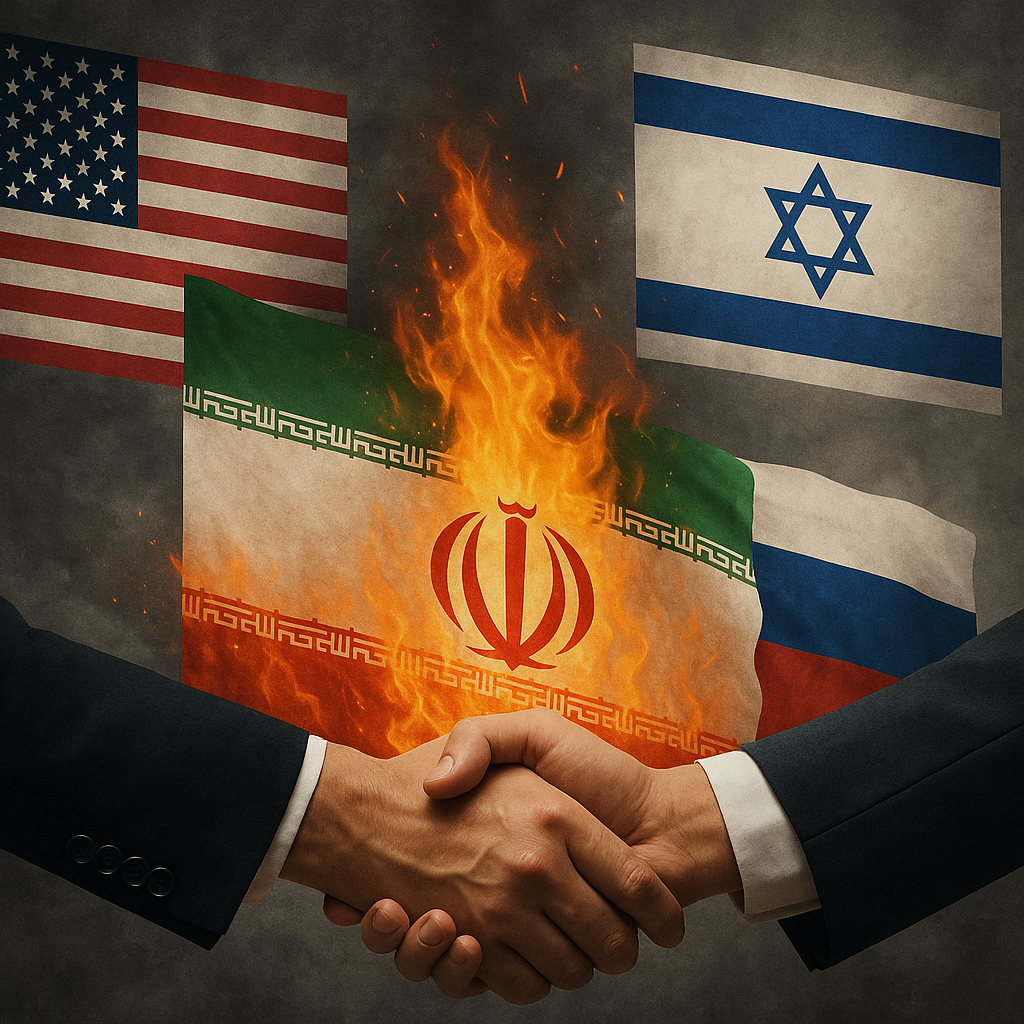
US-Israel War on Iran’s Impact on Russia-Iran Relations

The US-Israel Conflict and Its Ramifications for Russia-Iran Relations
The ongoing conflict involving the US and Israel’s military actions against Iran has significant implications for international relations, especially between Russia and Iran. As both countries navigate this complex geopolitical landscape, it is essential to understand the multifaceted dynamics influencing their relationship.

The Current Complex Landscape
In recent months, tensions between the US and Iran have escalated dramatically. Following a series of military interventions, the narrative has shifted, impacting not only regional stability but also global alliances. News sources provide a variety of perspectives on this situation, shedding light on how Russia and Iran are responding to the evolving geopolitical climate.


Diverging Perspectives on Russia-Iran Ties
From various reports, it becomes clear that Russia’s approach to Iran is as pragmatic as it is strategic. Al Jazeera highlights that Russia has been keen to strengthen its ties with Iran, particularly in the wake of increased US pressure. According to analysts, Iran’s military prowess and strategic location make it a valuable ally for Moscow. As Iran faces isolation from Western nations, Russia has positioned itself as a crucial partner, offering military cooperation and economic support.


Conversely, there are nuanced concerns regarding the depth of this relationship. Sky News reports that while Russia and Iran are cooperating on multiple fronts—ranging from military engagements to energy partnerships—there exists an underlying wariness. Observers note that both nations manage a careful balance in their alliance, aware that their interests do not always align perfectly. For instance, while Iran seeks to expand its influence in the Middle East, Russia is primarily focused on consolidating its position as a global power, which could lead to friction.
Economic Considerations
Another critical factor shaping the Russia-Iran relationship is economic interdependence. As sanctions against Iran tighten due to its nuclear pursuits and other regional activities, Iranian markets have become increasingly reliant on Russian support. RT has reported that this reliance is evident in areas such as energy, where Russia has been involved in developing Iranian oil fields.
However, the economic collaboration is not without its challenges. Advisory experts warn that both countries face limitations rooted in their individual economic powers. Iran’s own struggles with international sanctions constrain its ability to engage meaningfully in trade. Meanwhile, Russia’s economy has been affected by its own sanctions, particularly following its actions in Ukraine. Such economic constraints could potentially hinder the overall efficacy of their partnership.
Implications for Regional Security
The military tensions stemming from the US-Israel actions against Iran are also catalyzing shifts in regional security dynamics. Analysts from both Al Jazeera and Sky News suggest that as US and Israeli military strategies seem increasingly aggressive, Iran is likely to seek deeper alliances with nations that can mitigate this pressure. Thus, the relationship with Russia is bound to evolve, focusing more on mutual defense and security collaboration.
For instance, recent joint military drills between Russia and Iran signal a growing military partnership. These activities not only reinforce Iran’s defensive capabilities but also serve as a statement to the US and Israeli forces regarding a united front against foreign aggression.
However, this partnership is layered with complexities. The relationship is not merely an alliance of convenience; both countries may have divergent long-term goals, which could lead to conflicting attitudes towards cooperation.
Navigating Uncertainties and Future Outlook
As the geopolitical chessboard continues to reshape, the future of Russia-Iran relations remains uncertain. Some analysts argue that while short-term collaboration may strengthen their positions against the US-Israel coalition, long-term sustainability of this partnership is questionable.
Balancing regional ambitions with the necessity of an alliance comprises a delicate negotiation for both nations. The strength of their relationship will be tested as external factors evolve, including the shift in US foreign policy and the nature of engagements in the Middle East.
In conclusion, the dynamics of the US-Israel war on Iran create a complex situation for Russia and Iran, forging a partnership that is simultaneously advantageous and fraught with potential conflict. As observers watch this relationship develop, it is imperative to remain mindful of the nuances that define it, understanding that cooperation may not always equate to aligned goals.















