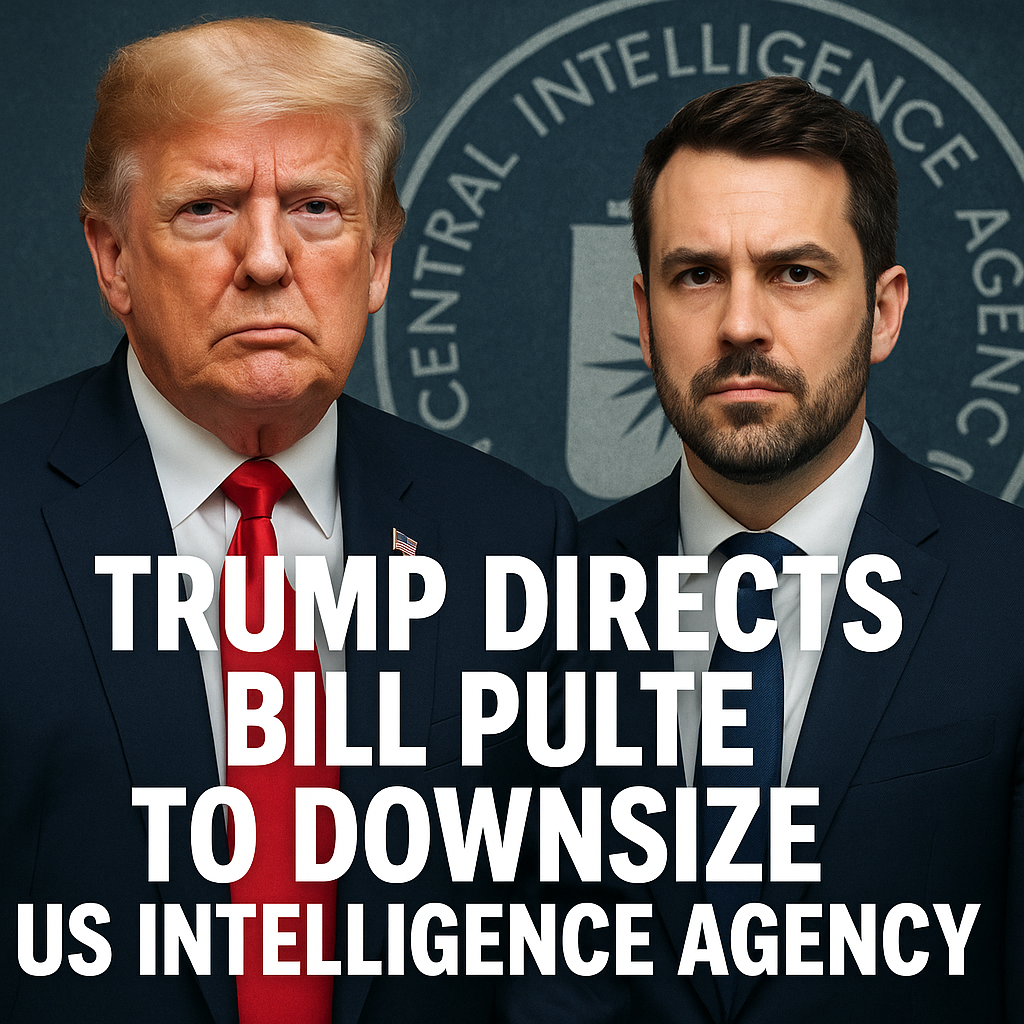
Trump Directs Bill Pulte to Downsize US Intelligence Agency

Trump’s Directive: A Blueprint to Downsize US Intelligence
In a surprising move that has stirred considerable debate, former President Donald Trump has directed interim US intelligence chief Bill Pulte to explore options for downsizing the nation’s intelligence agencies. This directive raises crucial questions about national security, the effectiveness of intelligence operations, and the political motivations behind such decisions.

Perspectives on Downsizing Intelligence Agencies
The urge to reduce the size of US intelligence agencies is not a new concern; however, Trump’s recent directive emphasizes a philosophy of streamlined government operations. Supporters of this initiative argue that the current structure of intelligence agencies is bloated and inefficient. They suggest that a leaner organization could foster faster decision-making processes and reduce unnecessary expenditures. Proponents contend that the significant financial resources allocated to intelligence can be better utilized in domestic programs, possibly yielding more immediate benefits for American citizens.


On the flip side, critiques of this directive raise alarms regarding national security implications. The intricacies of global intelligence require vast resources and extensive human capital to effectively monitor and respond to threats. Critics assert that downsizing could cripple the US’s ability to preemptively respond to emerging threats, such as cyberattacks from foreign adversaries or terrorism. Notably, several analysts warn that reducing personnel may create gaps in critical areas of intelligence gathering and analysis, making the nation more vulnerable.


Evaluating the Rationale Behind the Directive
While Trump’s orders may be couched in the language of efficiency, they appear intertwined with political aspirations. The former president has long criticized what he describes as an overreaching intelligence community. His allegiance to the concept of reducing government scope aligns with the stances of a significant faction within the Republican Party, reflecting a broader anti-establishment sentiment. This perspective frames intelligence agencies as sometimes operating in ways that detract from the interests of everyday Americans.
Moreover, Trump’s directives come at a time when significant scrutiny is directed toward U.S. intelligence efforts, especially concerning past missteps and perceived overreach. This has opened a dialogue about accountability within these agencies, depending on whether they serve public interests or political agendas. Assessing Trump’s proposal involves not just the mechanics of downsizing but the broader implications for accountability and trust in governmental entities.
The Uncertainty of Public Reception and Security Risks
As debates rage on social media and news platforms, public sentiment appears split. A faction of the populace supports Trump’s initiative, viewing it as a necessary reform. Others, however, voice concerns about the potential risks and security vulnerabilities that a downsized intelligence apparatus could entail. This division complicates the narrative surrounding national security reforms and raises questions about the balance between effective governance and public safety.
Experts emphasize the need for a measured approach to any changes in the intelligence community. Before proceeding with downsizing, comprehensive assessments should be conducted to understand how these changes could impact operational capacities. Such an analysis requires input from a wide range of stakeholders, including intelligence professionals and political analysts, to weigh the associated risks and benefits.
Conclusion: The Path Forward
Trump’s directive to Bill Pulte regarding the downsizing of US intelligence agencies reflects a complex interplay of political ideology, public sentiment, and national security considerations. While proponents argue for efficiency and fiscal responsibility, critics remind us of the critical roles these agencies play in ensuring the safety and security of the nation.
As Congress, intelligence leaders, and the public weigh in on the issue, a careful, balanced dialogue is essential to navigate this sensitive terrain. The future of US intelligence may depend not just on resource allocation but also on the trust placed in these agencies and their ability to adapt to an evolving global landscape. The path ahead remains uncertain, underscoring the necessity for ongoing discussions that integrate diverse viewpoints on this pivotal issue.