
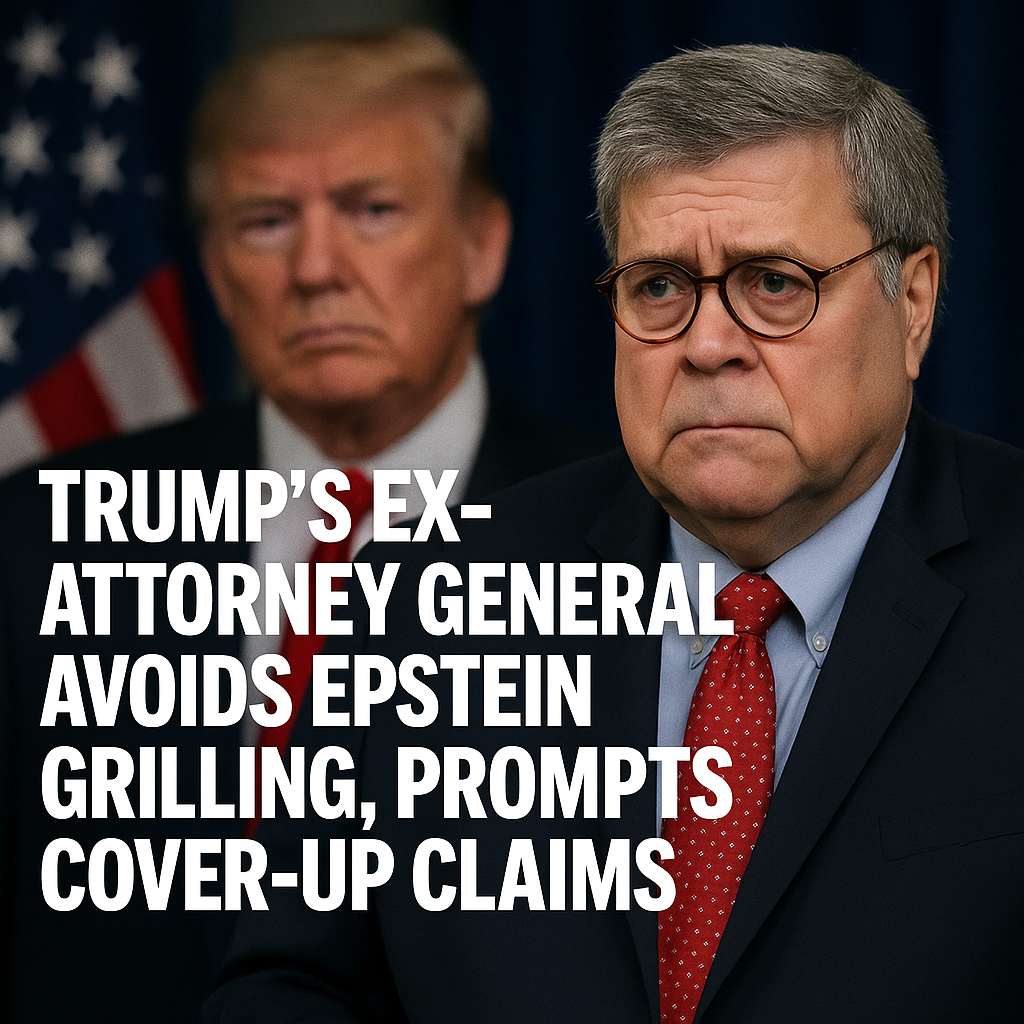
Trump’s Ex-Attorney General Avoids Epstein Grilling, Prompts Cover-Up Claims

Trump’s Ex-Attorney General Avoids Epstein Grilling, Prompts Cover-Up Claims
In a surprising turn of events, Pam Bondi, who served as Attorney General of Florida under Donald Trump, has skirted a potential grilling related to the Epstein case, raising eyebrows and spawning allegations of a cover-up. As details continue to unravel, different perspectives emerge, illuminating the complexities of this sensitive issue.

The Background of the Epstein Case
Jeffrey Epstein, a convicted sex offender, was arrested in 2019 on federal charges of sex trafficking minors. The case has long been a topic of intense scrutiny and widespread speculation, especially regarding the powerful individuals who associated with Epstein and the legal system’s handling of his activities. The circumstances of Bondi’s avoidance have reignited discussions about accountability and transparency in cases involving influential figures.


Pam Bondi’s Involvement and Response
Pam Bondi has faced questions about her ties to Epstein during her tenure as Attorney General. Critics argue that she did not do enough to investigate Epstein’s activities in Florida back when she served in a position of authority. Recent reports indicate that Bondi has successfully managed to avoid subpoenas related to testimony in the ongoing Epstein-related inquiries.


While Bondi denies any wrongdoing and points out her actions taken during her time in office—like examining Epstein’s operations in the state—many voices within various media outlets have called for more rigorous examination. The issue is compounded by the perception that Bondi’s political connections might shield her from facing the same scrutiny applied to lesser-known individuals involved in the case.
The Allegations of a Cover-Up
The reluctance to provide testimony has led to widespread speculation about potential cover-ups among powerful figures. Critics argue that Bondi’s position within the political sphere raises questions: Are influential figures effectively exempt from accountability?
Notable voices from various news outlets have expressed concern that allowing Bondi to sidestep questioning perpetuates a narrative that powerful individuals can avoid scrutiny through their connections. Al Jazeera highlighted how this avoidance can undermine trust in the legal system, which ought to apply the same standards to everyone, regardless of their political affiliations or social standing.
Perspectives on Accountability
On one side of the argument, proponents of holding public figures accountable assert that Bondi’s avoidance signifies a troubling trend where the legal system fails to act equitably. The Skif News report underlines that this incident could set a dangerous precedent for other cases involving high-profile individuals.
Conversely, supporters of Bondi argue that she has no direct connection to Epstein’s crimes and that her testimony wouldn’t necessarily illuminate any new information about the case. They emphasize that jumping to conclusions might be premature without concrete evidence linking Bondi to any wrongdoing. RT echoed this sentiment by pointing out that the doubt surrounding her motives might be politically motivated rather than based on factual grievances.
What This Means Moving Forward
The lack of clarity surrounding Bondi’s involvement raises pivotal questions about justice and accountability in high-stakes situations. While it may appear that Bondi is sidestepping potential repercussions for her past decisions, the discourse surrounding her has broader implications for how society views the intersection of politics, legal accountability, and criminal justice.
The concerns raised about a potential cover-up echo throughout various sectors of society, leading many to seek a more transparent legal framework that actively works to dismantle perceived inequalities. The ongoing discussions present a crucial opportunity for civil discourse about public figures’ accountability, particularly in cases that involve serious criminal allegations.
Conclusion: A Call for Transparency
The controversy ignited by Pam Bondi’s avoidance of Epstein-related questioning serves as both a reflection of the ongoing struggles with accountability in the political realm and a reminder of the importance of transparency in resolving serious legal matters. As this narrative unfolds, the public will be closely watching to determine whether the principles of justice apply equally across the board.
To glean anything conclusive from the situation may require further investigation and honest discourse. Only time will tell if justice will prevail—or if the influential will continue to navigate the legal system with impunity.















