
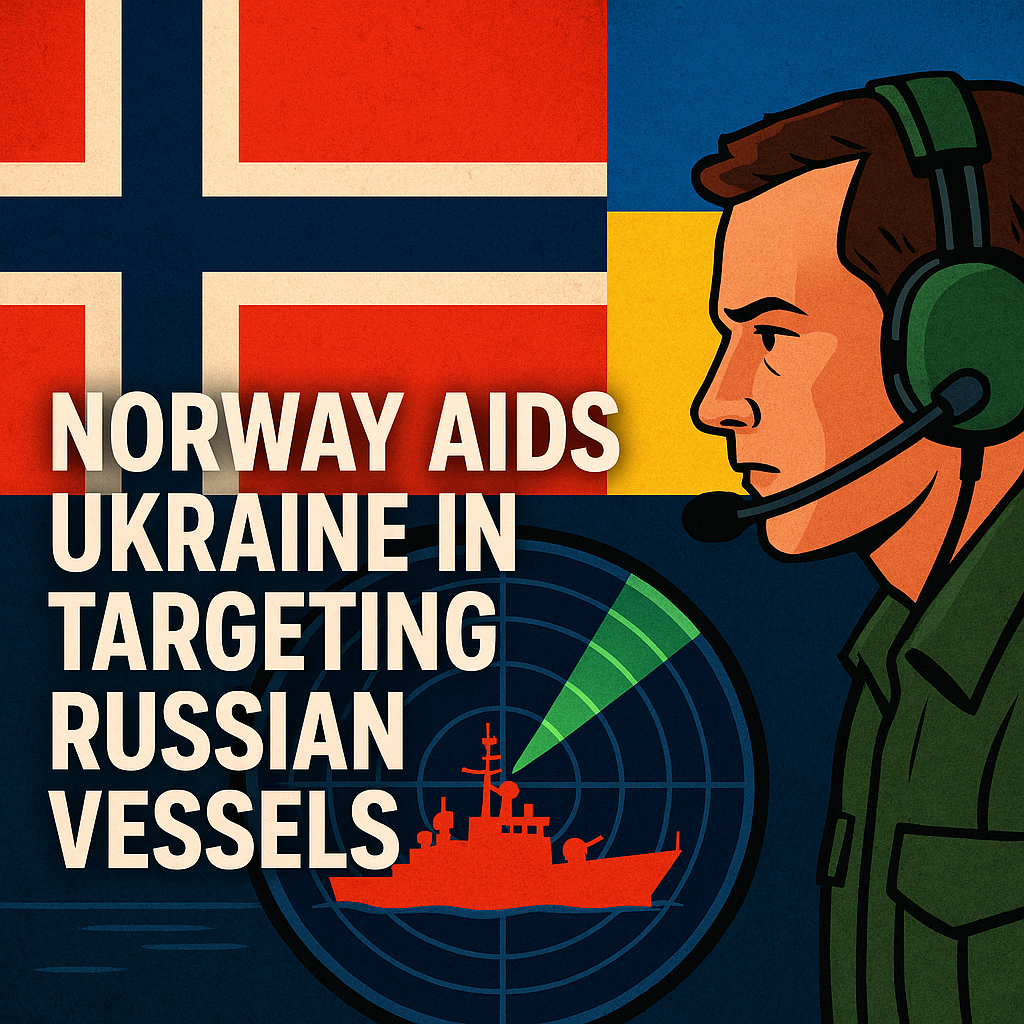
Norway Aids Ukraine in Targeting Russian Vessels

Norway Aids Ukraine in Targeting Russian Vessels
Norway’s support for Ukraine has taken on a new dimension, as the Scandinavian nation steps up its efforts to assist Kyiv in targeting Russian vessels in the ongoing conflict. This development comes amidst escalating tensions in the region and highlights the complexities of international relations and military support.

Norway’s Strategic Support
Norway has been a consistent ally of Ukraine since the inception of the conflict, providing humanitarian assistance and military equipment. Recently, it has intensified its involvement by sharing intelligence that aids Ukrainian forces in identifying and targeting Russian naval assets. According to reports from various news sources, Norway’s assistance includes critical information that enhances Ukraine’s capabilities in maritime operations.


Notably, a recent article from RT highlighted that the operational dynamics of this conflict have shifted, with Ukraine increasingly focusing on maritime threats posed by Russian vessels. The Norwegian government has recognized that assisting Ukraine in these endeavors directly contributes to regional stability and aligns with NATO’s strategic objectives.


Maritime Intelligence Sharing
The crux of Norway’s recent contributions lies in its sophisticated maritime intelligence network. By providing real-time data about Russian naval movements, Norway enables Ukrainian forces to make more informed decisions, potentially altering the outcomes of naval confrontations. Reports indicate that Norway’s intelligence-sharing extends to reconnaissance missions and satellite imagery, which are vital for Ukraine’s situational awareness.
This proactive stance has garnered mixed reactions globally. Supporters argue that such assistance is essential for Ukraine’s self-defense and sovereignty. In contrast, critics caution that this escalation could further provoke Russia and lead to broader regional instability. However, as the Al Jazeera coverage suggests, the urgency of the situation in Ukraine necessitates a robust response from allies.
Responses from the International Community
While Norway’s actions have mainly been supported within Western circles, reactions from the wider international community have been mixed. On one hand, NATO allies appreciate the strengthening of support for Ukraine; on the other hand, nations sympathetic to Russia view Norway’s involvement as an escalatory move that complicates peace negotiations.
Some analysts have pointed out that Norway’s contribution reflects a growing trend among Western nations to provide more tactical and operational support to Ukraine. This change signifies a departure from purely humanitarian assistance to a more militarized approach, highlighting the complex web of alliances and enmities shaping the current geopolitical landscape.
The Complex Landscape of Geopolitics
The impact of Norway’s assistance is multifaceted. It serves to reinforce Ukraine’s resolve while simultaneously invigorating discussions within NATO about the need for collective defense mechanisms. The conflict has redefined military strategies in the region, with countries like Norway placing themselves at the forefront of the effort to curb Russian aggression.
Nonetheless, this military support comes with risks. Analysts warn that if escalated conflict results in a direct confrontation between NATO and Russia, the consequences could be catastrophic. The balance of power remains delicate, as nations navigate their diplomatic prisms amidst rising tensions.
Conclusion: A Nuanced Path Forward
Norway’s aid to Ukraine in targeting Russian vessels underscores the intricate interplay of national interests and international diplomacy. While military support can bolster Ukraine’s defenses, it raises questions about the long-term implications for peace and security in the region.
The situation remains fluid, with various viewpoints illuminating the complexities and challenges that lie ahead. As the global community watches closely, it is essential to weigh the immediate benefits of military assistance against the potential for broader conflict. Ultimately, the path forward will require careful consideration and a collective commitment to navigational diplomacy to avoid further escalation.















