Trump Hints Netanyahu’s US Visit Next Week

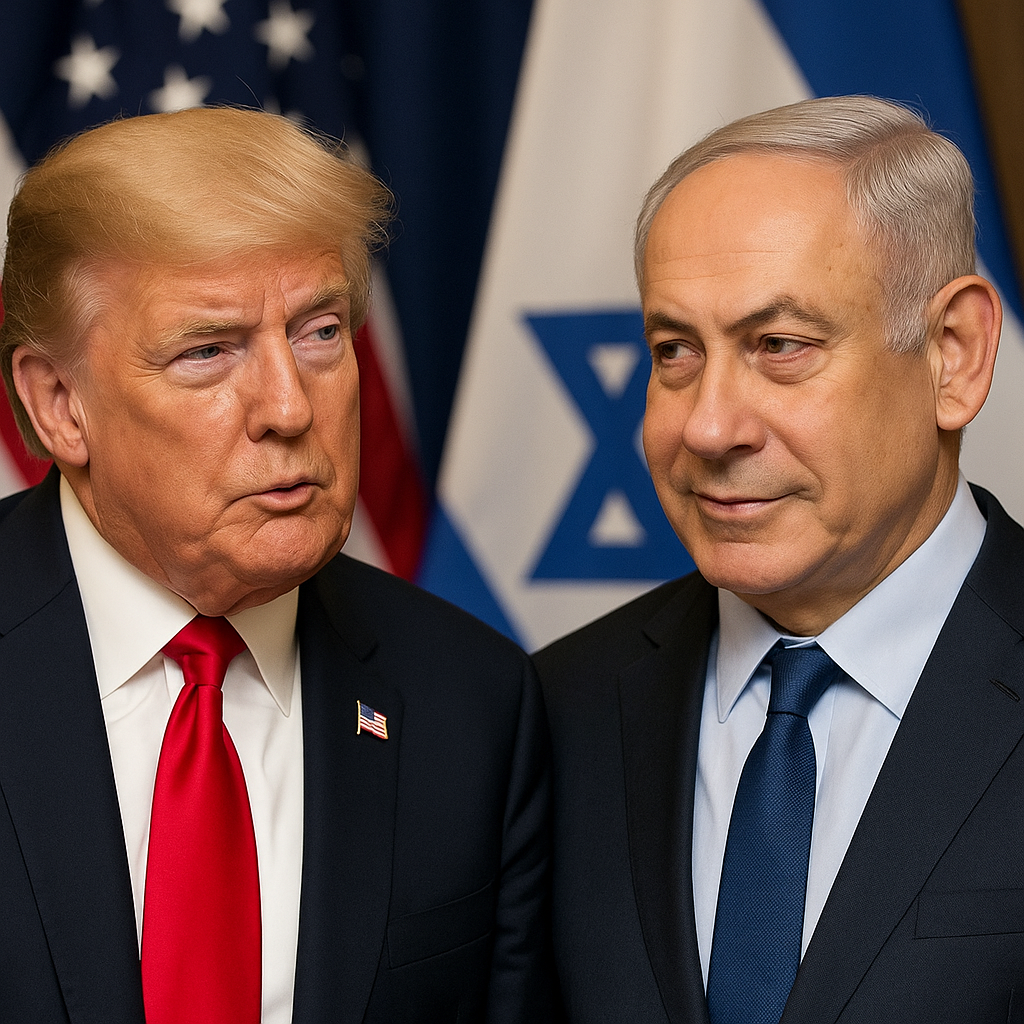
As tensions continue to simmer in the Middle East, former U.S. President Donald Trump has hinted at a potential visit by Israeli Prime Minister Benjamin Netanyahu as early as next week. This possible diplomatic rendezvous raises significant questions about the current geopolitical landscape and Trump’s evolving role in U.S.-Israel relations.

Trump and Netanyahu: A Long-Standing Alliance
Trump’s relationship with Netanyahu has historically been marked by unwavering support. During his presidency, Trump was seen as a staunch ally of Israel, making memorable decisions such as recognizing Jerusalem as Israel’s capital and moving the U.S. Embassy there. Trump’s affection for Netanyahu is evident not just in policy decisions but also in their public camaraderie.


Reports suggest that Trump’s recent hint about Netanyahu’s visit came during a rally where he characterized it as an important meeting without providing further specifics. The statement has ignited speculation about what the agenda could entail. Analysts believe that the discussions could revolve around Iran’s nuclear ambitions, Israel’s defense strategies, and the ongoing conflict with the Palestinians.


The nature of their alliance may now further evolve as Netanyahu faces his own political challenges. With protests against his judicial reforms continuing to mount in Israel, a supportive visit from Trump may boost Netanyahu’s standing at home, framing the trip as a tool for reinforcing Israel’s international ties.
Divergent Views on U.S.-Israel Relations
While many within the Republican Party view the potential visit as a positive advancement of U.S.-Israel ties, certain voices within the Democratic Party express wariness. Critics argue that Trump’s brand of politics may further polarize an already tense situation within Israel and the broader region. Concerns arise over Trump’s tendency to bypass traditional diplomatic norms, potentially undermining a more measured approach that some believe is needed for lasting peace.
For example, some analysts worry that aligning closely with Trump, especially during a period of uncertainty for Netanyahu’s government, may alienate Palestinian leadership and reinforce perceptions of bias. Wendy Sherman, a former U.S. Deputy Secretary of State, recently stated, “It’s crucial that any outreach from the U.S. does not marginalize the voices of those seeking peace on both sides.” This point emphasizes the ongoing debate about how the U.S. should navigate its alliances while also advocating for a solution to the Israeli-Palestinian conflict.
The Stakes for Both Leaders
What’s clear is that the stakes are high for both Trump and Netanyahu. For Trump, maintaining relevance in political discourse is vital as he continues to position himself as a leading presidential candidate for 2024. A high-profile visit from an esteemed international figure like Netanyahu could be leveraged to reinforce his foreign policy credentials among Republican voters.
Conversely, Netanyahu is striving to fortify his leadership amidst significant domestic unrest. Many Israelis are protesting against his government’s proposed judicial reforms, which are perceived as measures that could undermine democratic checks and balances. A positive outcome from his talks in the U.S. may serve as a crucial political lifeline, providing a narrative of strength and stability during turbulent times.
The Broader Impact on Middle Eastern Relations
The potential visit could also have broader implications for Middle Eastern politics. Israel’s relations with Arab nations have become increasingly complex, especially following the historic Abraham Accords that Trump championed. Any discussions regarding troop deployments, arms sales, or new diplomatic initiatives may not only shape U.S.-Israel relations but also influence Israel’s standing with its Arab neighbors.
In conclusion, while Trump’s hint at Netanyahu’s U.S. visit ignites discussions about the future of U.S.-Israel relations, it also reveals the intricate interplay between domestic politics and international diplomacy. As both leaders navigate their respective challenges, the outcome of any potential discussions remains uncertain yet consequential. Observers will be closely watching what unfolds, recognizing that every diplomatic engagement carries the weight of both promise and unpredictability in a rapidly changing geopolitical landscape.