Trump’s Iran Gamble Faces Its Toughest Challenges Yet

Trump’s Iran Gamble Faces Its Toughest Challenges Yet
The complexities surrounding Trump’s Iran strategy have entered a critical phase, one that holds significant implications for both U.S. foreign policy and Middle Eastern geopolitics. As tensions escalate, stakeholders on all sides are weighing the risks and benefits of actions taken during his administration and their long-lasting repercussions.

The Fallout from the Maximum Pressure Campaign
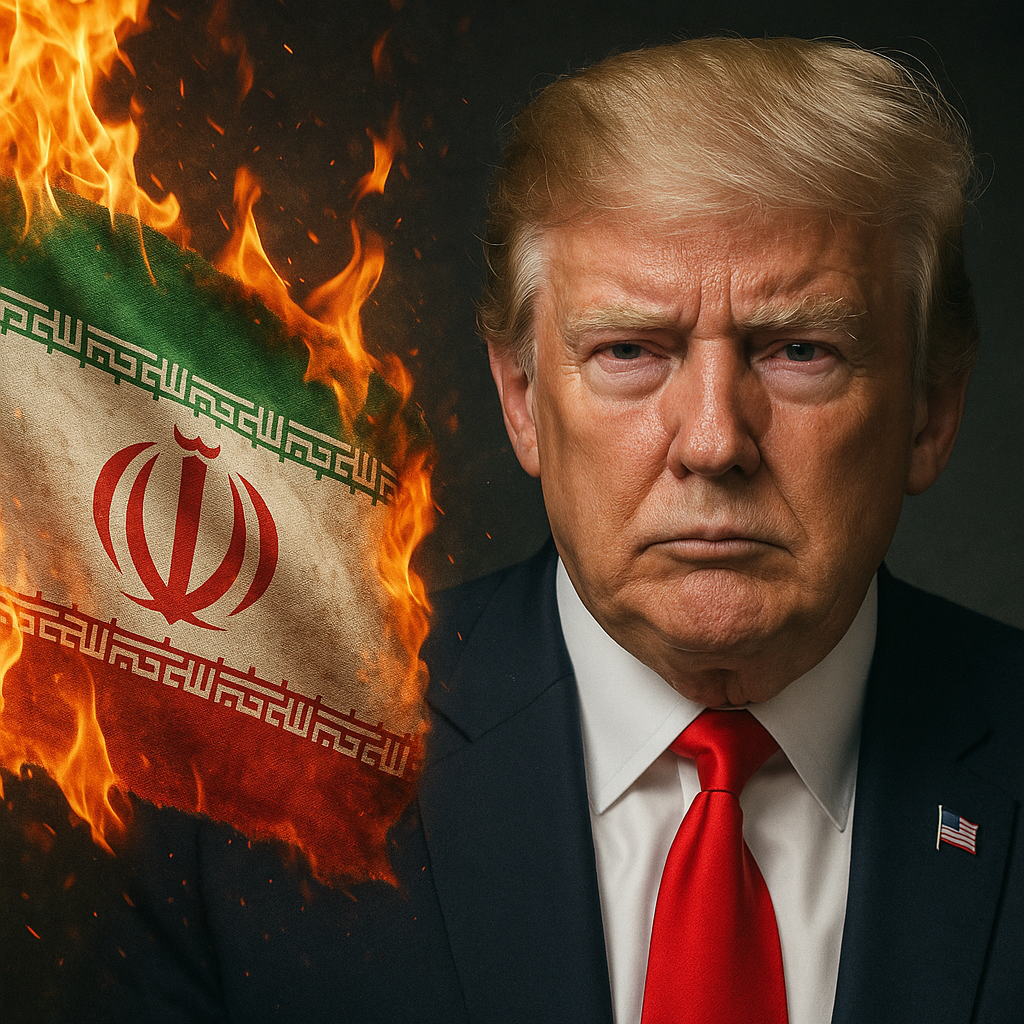
Former President Donald Trump’s approach to Iran, encapsulated in his “maximum pressure” campaign, aimed at crippling the Iranian economy through stringent sanctions and diplomatic isolation, has yielded mixed results. Initially, the strategy garnered some support domestically, rallying those who believed that a hardline approach was necessary to curb Iranian influence in the region. However, as reported by multiple sources, including Al Jazeera and RT, the consequences have been profound and multifaceted.


The sanctions placed on Iran, while intended to stifle its nuclear ambitions, inadvertently empowered hardline factions within the country. Reports indicate that hardliner Ebrahim Raisi’s administration has utilized the economic struggles of ordinary Iranians to consolidate his power, portraying the U.S. as a persistent adversary. This tactic has blurred the lines between domestic and foreign policy, galvanizing nationalist sentiment against perceived external threats.


While supporters of the sanctions argue they have effectively weakened Iran’s economy, critics highlight a significant drawback: the humanitarian impact on everyday citizens. The essentials—food, medicine, and basic goods—have become more challenging to procure, raising ethical questions about the broader implications of economic sanctions.
Diplomatic Endeavors: Challenges Ahead
The complex diplomatic chess game between the U.S. and Iran continues to unfold as both nations grapple with the outcomes of this relentless strategy. As tensions mount, the prospects of a reinstated nuclear deal—formally known as the Joint Comprehensive Plan of Action (JCPOA)—appear increasingly uncertain. Trump’s withdrawal from the agreement in 2018 set in motion a series of provocative actions by both Tehran and Washington.
Iran’s recent advances in uranium enrichment have raised alarms among international observers and policymakers. The nation, now enriching uranium to levels closer to weapons-grade, is perceived as playing a dangerous game that could trigger wider regional instability. Trump’s staunch critics argue that his policies have effectively reset Iran’s nuclear timeline and emboldened its defiance against international scrutiny.
In contrast, proponents of Trump’s strategy maintain that a communication blockade is necessary to counteract Iran’s malign activities in the Middle East. They suggest that the economic pressures and military posturing are designed with the objective of bringing Iran back to the negotiation table. However, the effectiveness of this approach is increasingly being challenged by the rising costs of prolonging diplomatic disengagement.
Navigating Competing Interests and Regional Dynamics
As the dialogue stagnates, the geopolitical landscape becomes more complex. The interests of regional allies such as Israel and Saudi Arabia must be factored into any U.S. policy toward Iran. Both nations have actively leaned on American support while simultaneously conducting their own strategic maneuvers. Israel, for instance, has increased its military operations in Syria to counter Iranian influence, creating a precarious situation that threatens broader conflict.
Additionally, Russia and China have stepped up their partnerships with Iran, showcasing an emerging multipolar dynamic that could undermine American influence in the region. Collaborative military and economic agreements between Tehran and these powers provide a counterbalance to U.S.-led initiatives, complicating the landscape further for a potential resolution—this aspect tends to be downplayed in more hawkish narratives.
The interplay of national interests reflects a larger mosaic of global politics where countries align based on strategic gains, rather than ideological commitments. Analysts have noted that the Iranian dilemma requires reconsideration of alliances, urging a focus on diplomatic avenues rather than continued isolation, which may only serve to entrench adversarial positions.
Conclusion: A Fork in the Road
As Trump’s gamble on Iran enters its most challenging phase yet, the paths forward remain uncertain. The mixed outcomes of the “maximum pressure” approach, juxtaposed against Iran’s accelerated nuclear activities and regional power shifts, suggest that simplistic narratives surrounding the U.S. strategy are inadequate. A nuanced understanding of the intricate interplay of domestic politics, humanitarian considerations, and international relations is vital for any future approach.
Ultimately, whether Trump’s Iran legacy can pivot from confrontation to negotiation may depend largely on the willingness of both sides to reassess their longstanding animosities and the evolving geopolitical landscape. With stakeholders diverging on strategies and outcomes, one thing remains clear: the complexities facing U.S.-Iran relations demand a sophisticated and diplomatic response in the years to come.