US Strikes Iran After Drone Attack on Commercial Ship

The recent US strikes on Iran following a drone attack on a commercial ship highlight the delicate balance of military action and international relations. This incident underscores the complexities of geopolitics in the Middle East, where maritime security, regional tensions, and global economic interests intersect.

Understanding the Incident: Timeline and Reactions
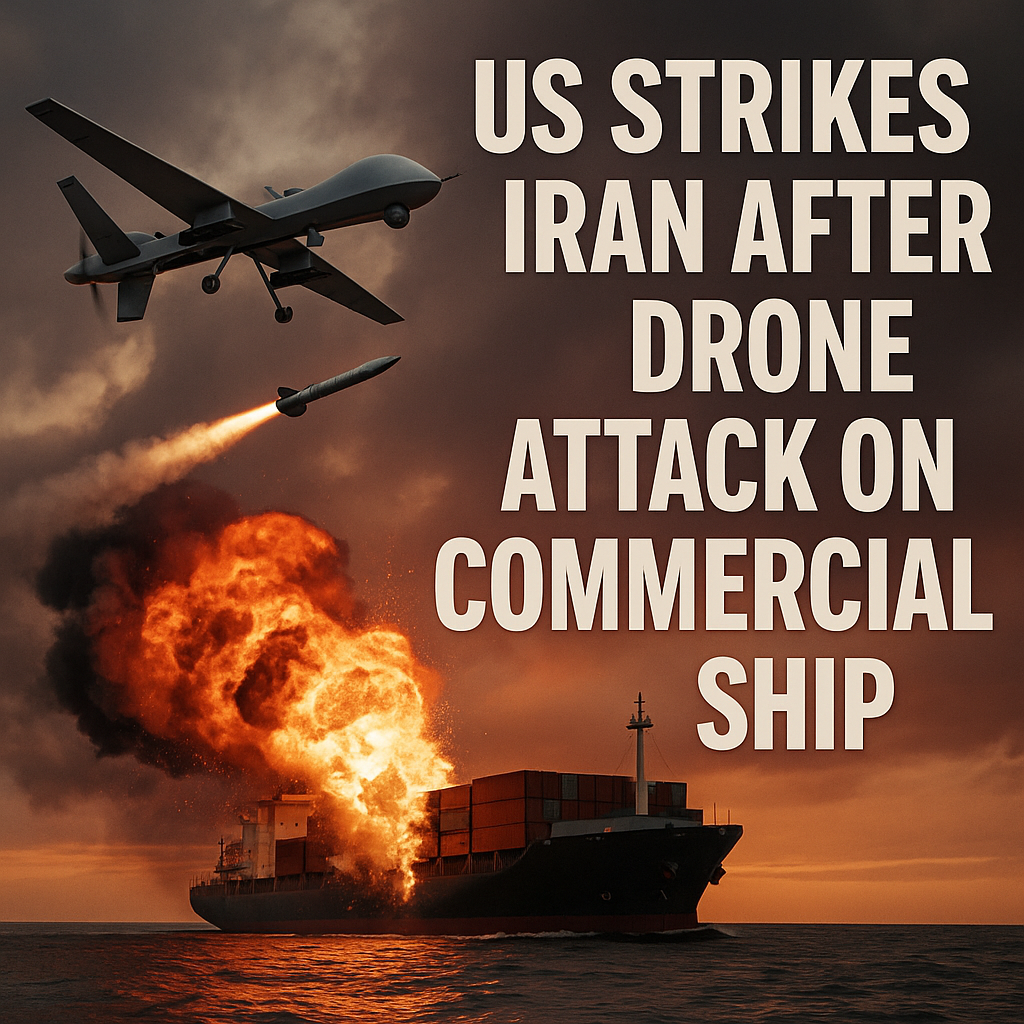
The initial attack, reportedly executed using a drone, targeted a commercial vessel off the coast of Oman. According to a statement from the US Navy, the ship, which was operating in a vital shipping lane, sustained damage but was able to stay afloat. The US government swiftly accused Iran of orchestrating the drone assault, citing intelligence assessments that linked the attack to Iranian forces.


In response, US military forces conducted airstrikes aimed at Iranian assets, signaling a firm stance against aggression in the region. This response has brought forth a myriad of opinions regarding its necessity and potential repercussions. Some analysts argue that the US had no choice but to act decisively to deter further Iranian hostilities, while others caution that such actions could escalate tensions in an already volatile area.


The Diverse Perspectives on Military Action
The US’s military intervention is viewed differently across various factions. Proponents of the airstrikes argue that a strong response was essential to uphold international maritime laws and protect commercial shipping. They contend that failure to act could embolden Iran to undertake more such attacks, thereby destabilizing an already precarious region further.
Conversely, critics of the strikes worry about the long-term consequences of escalating military actions. They point out that while immediate retaliation might seem justified, it may lead to a spiral of violence that endangers civilian lives and harms diplomatic efforts. As one expert noted, “The cycle of retaliation could embroil both nations in a confrontation that neither side truly desires.”
Notably, the situation reveals a stark contrast in operational paradigms. While the US prioritizes immediate defense of its interests and allies, Iran’s posture reflects a broader strategy aimed at projecting power and influence in the region. The aftermath of the strikes has seen Iran warning against any further aggression, pledging to respond robustly to perceived threats.
Geopolitical Implications: A Broader Context
This incident is not an isolated event but rather a part of a long-standing pattern of conflict in the Gulf region, marked by mutual distrust between Iran and Western powers, particularly the United States. The historical backdrop includes a series of confrontations, sanctions, and proxy wars that have complicated diplomatic relations and made military engagement a frequent recourse.
Economically, the stakes are high. The Strait of Hormuz is a critical chokepoint through which approximately 20% of the world’s oil supply transits. Any disruption to maritime security in this region not only threatens the flow of oil but can also lead to fluctuations in global oil prices, affecting economies around the world. Thus, the responses to such aggressions are heavily influenced by economic considerations, making calculated military decisions vital.
Moreover, regional allies, particularly Israel and Saudi Arabia, have often been vocally supportive of US actions against Iran. Their interests converge in curbing Iranian influence, particularly regarding its nuclear ambitions and its network of regional proxy groups, such as Hezbollah.
The Road Ahead: Diplomacy vs. Military Action
As tensions rise following the recent strikes, the question looms: will this lead to further military confrontation, or can diplomatic dialogues resume? A significant shift in the diplomatic landscape is needed to ensure peace and stability.
Many analysts advocate for a strategic approach that combines military readiness with diplomatic outreach. Engaging in talks while maintaining pressure could potentially pave the way for de-escalation. However, the stark divide between US and Iranian interests makes this challenging.
Furthermore, global powers play a role in shaping these outcomes. The European Union, Russia, and China have all expressed varying degrees of concern about escalations and have previously navigated efforts to maintain a dialogue with Iran. Their involvement could either complicate or facilitate resolutions, depending on their agendas and relationships with both countries.
In conclusion, the US strikes on Iran symbolize a critical juncture in Middle Eastern geopolitics where military action intersects with diplomatic possibility. This incident should serve as a reminder of the complexities involved in international relations, where responses must be carefully calibrated to avoid unintended consequences. The stakes are high, and while military actions may provide short-term solutions, sustainable peace will ultimately rely on comprehensive diplomatic efforts. As the world watches, the next steps taken by both nations will be crucial in defining the future of this fraught relationship.