Trump Says He’s Iran’s Top Target: What It Means for America

Trump Says He’s Iran’s Top Target: What It Means for America
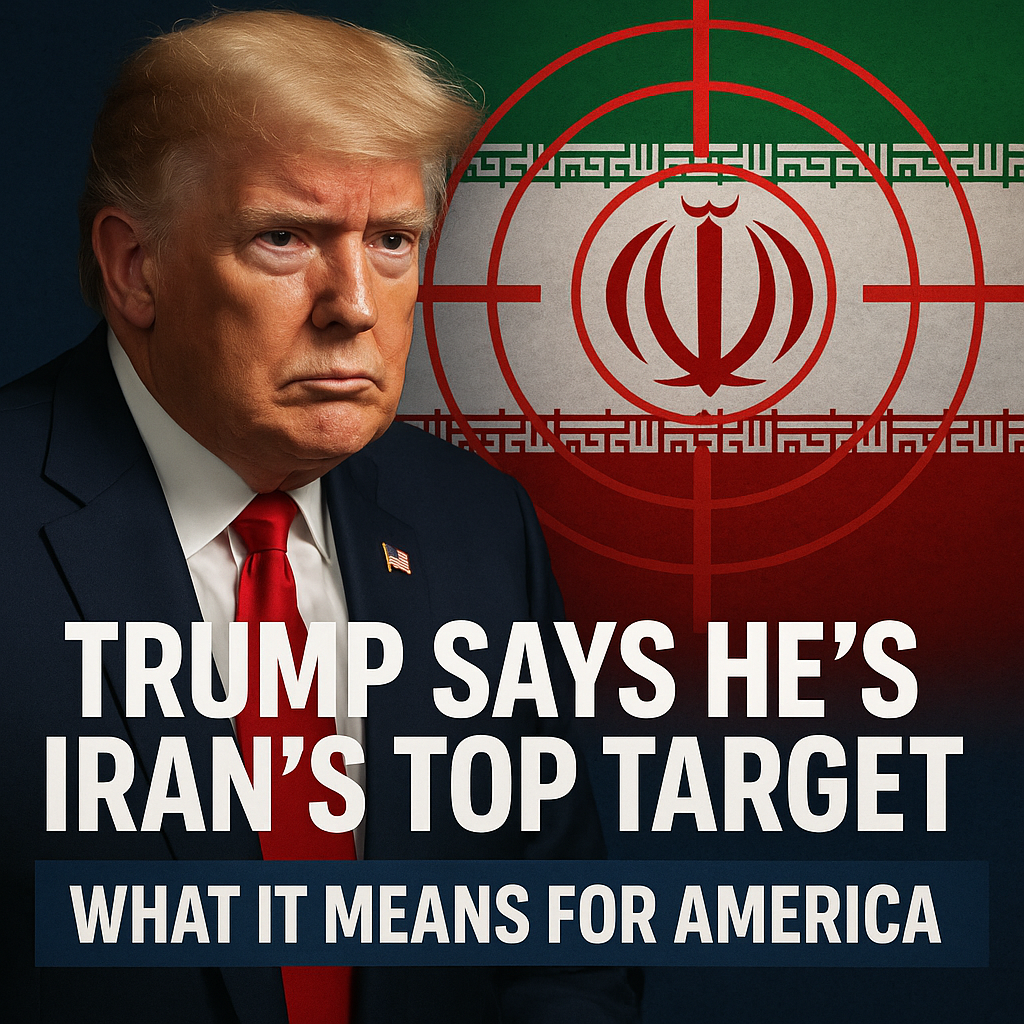
The recent assertion by Donald Trump that he considers himself a prime target for Iran brings a complex mix of historical context and geopolitical implications to the table. This claim not only stirs up discussions surrounding personal security for a former U.S. president but also reignites debates over U.S.-Iran relations, national security, and the role of rhetoric in international diplomacy.

Historical Context of U.S.-Iran Relations
Understanding Trump’s statement requires a dive into the historically fraught relationship between the United States and Iran. Since the Islamic Revolution of 1979, the two countries have been at odds, with conflicting ideologies and numerous incidents escalating tensions. The assassination of Iranian General Qassem Soleimani by U.S. forces in January 2020 shifted the animosity into a more aggressive phase. In the wake of these events, Iran vowed retaliation, which contributed to an environment of fear and uncertainty for American officials, particularly those involved in security and foreign policy.


Trump’s latest claim comes as geopolitical tensions intensify, exacerbated by regional conflicts and Iran’s controversial nuclear program. It raises the question: Should Americans, especially political leaders, take such threats seriously? The varied reactions highlight the complexities involved.


Perspectives on Trump’s Threat Level
There are two clear perspectives regarding Trump’s self-proclaimed status as Iran’s target. On one side, supporters argue that Trump’s statement underscores the dangers not only posed to him but also to American interests abroad. His presidency had a significant impact on Iran-U.S. relations, and many believe that his return to political prominence could further inflame tensions.
On the flip side, critics contend that Trump’s claim is an exaggeration aimed at garnering attention and galvanizing his voter base. They argue that regardless of the political landscape, Iran’s predisposition towards action is not solely dictated by individual figures but rather by strategic interests. For example, the national security analysts at Al Jazeera express skepticism about the immediacy of threats directed toward any single U.S. citizen, arguing that perceived threats must be taken in context with broader Iranian strategic goals.
The Broader Implications for American Security
In assessing what Trump’s claim means for America, it is essential to consider both immediate security implications and the long-term fallout on diplomatic relations.
– Security Risks: Claims of being a target could lead to increased security measures for Trump and potentially other officials, influencing how former leaders engage with the public. These measures may further strain resources meant for broader security challenges, diverting attention from more pressing threats.
– Political Ramifications: Such statements can polarize public opinion and deepen the partisan divide regarding foreign policy. Trump’s supporters may view him as a martyr for confronting Iran, while his critics may interpret this as a melodramatic move, manipulating fear for political gain.
Expert Insights and Conclusion
Experts emphasize the importance of discernment when weighing these kinds of statements. “The discourse surrounding national security and personal threats often becomes inflated in a politically charged environment,” says a foreign policy analyst from RT. This sentiment resonates across various sources, reinforcing the idea that both political implications and actual security risks must be approached with caution.
In conclusion, Trump’s assertion that he is Iran’s top target encapsulates a broader narrative about U.S.-Iran relations, security, and the interplay between political rhetoric and real-world consequences. As the situation evolves, it remains critical for observers and policymakers alike to navigate these waters thoughtfully—recognizing not only the dramatic flair of political statements but also the underlying complexities that shape international relations.