Trump Targets ‘Godless Communists’ After Primary Wins

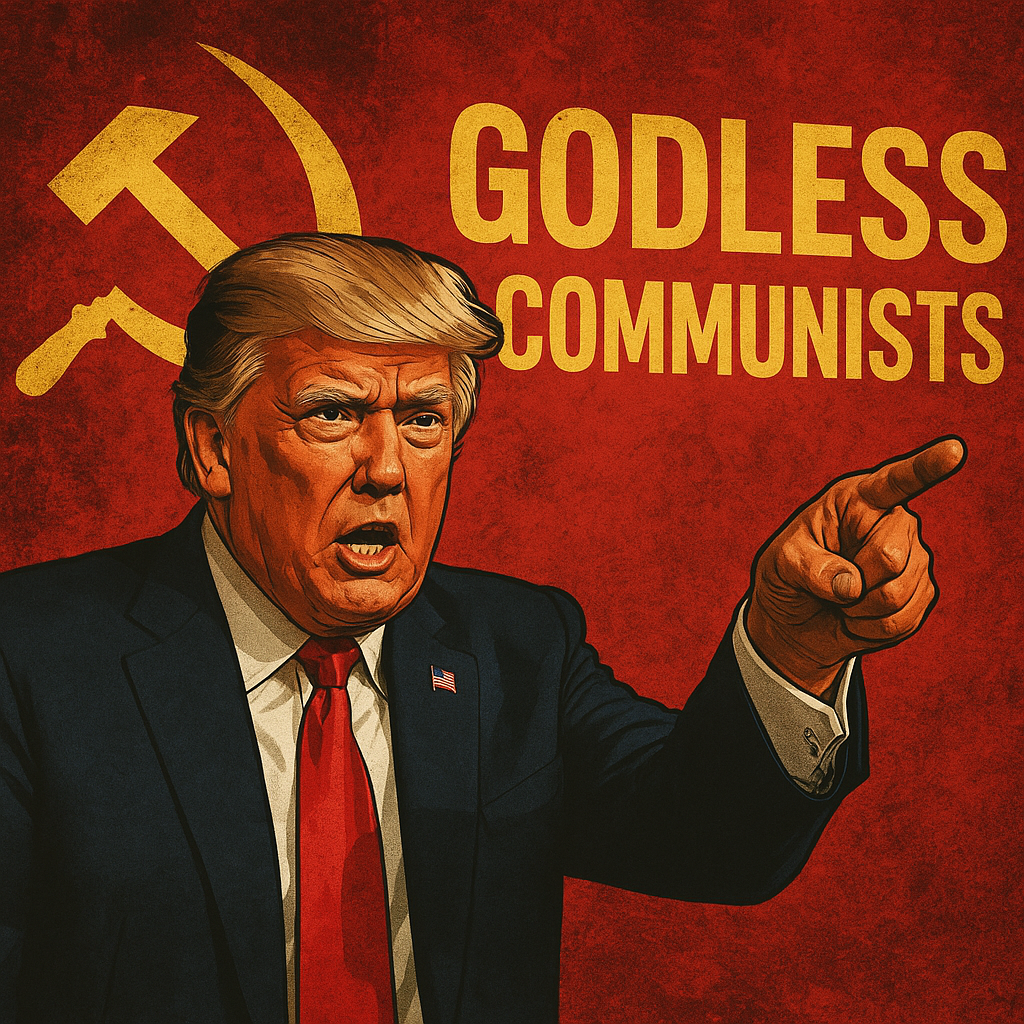
In the aftermath of significant primary wins for progressive candidates, former President Donald Trump has sharpened his rhetoric towards what he describes as “Godless communists.” This strategy not only reflects his robust populist posture but also signals an intensified battle for the ideological direction of the Republican Party ahead of the upcoming elections.

The Landscape of Primary Wins
In recent primaries, progressive candidates have made notable gains, particularly in several state contests. This shift has alarmed some within the GOP, who view these victories as a potential threat to traditional conservative values and a clear sign of changing voter sentiments. Notably, Trump’s comments have been perceived as a direct response to these dynamics, employing dystopian imagery to frame his opposition in an attempt to rally his base.


Trump’s characterization of progressive figures as “Godless communists” underscores a broader strategy to galvanize support by invoking fear—an approach that has historically resonated with segments of the electorate. In many ways, this mirrors the tactics seen during his 2016 presidential campaign, where he effectively utilized strong emotional appeals to engage voters.


The Reaction from the Political Spectrum
The reactions to Trump’s latest remarks are varied, illustrating a divided political landscape. Supporters within the Republican Party tend to echo his sentiments, viewing progressives as proponents of policies that stray far from what they consider core American values. According to a segment of GOP voters, Trump’s language resonates deeply, affirming their beliefs about the existential threat that these progressive ideologies pose to the nation’s framework.
Conversely, critics assert that Trump’s extreme language is damaging to the political discourse and furthers social divisions. They argue that branding opponents with labels like “communist” diminishes the complexities of political ideology and insults the democratic process. Notably, a number of commentators suggest that such aggressive rhetoric may alienate moderate voters, potentially diluting support for Republican candidates as the general election approaches.
The contrast in sentiment reflects not only differences in political ideology but also a broader discussion about the values of the American electorate. Progressive supporters argue that the policies proposed by their candidates—often centered on social justice, environmental protection, and economic equality—are not a descent into communism but rather a push towards a more equitable society.
Weighing the Implications
The implications of Trump’s inflammatory rhetoric extend beyond mere campaign strategy. His labeling of opponents impacts the broader narrative surrounding political divisions in the United States. By framing the upcoming elections as a battle against “Godless communists,” Trump is steering the conversation to a moral high ground, positioning himself as a defender of American values.
However, it is crucial to acknowledge the potential backlash. Political analysts note that such extreme measures can backfire, potentially mobilizing voters who feel marginalized by these labels. Historical precedence suggests that too much polarization can lead to higher turnout among more moderate constituents, who are disenchanted by the ongoing schism within party lines.
The crux of this dynamic lies in its potential to reshape voter engagement in the upcoming election cycle. As Trump continues to galvanize his base, the question remains whether this approach can unify the Republican Party or further fracture it with infighting between traditional conservatives and the more radical factions emboldened by Trump’s leadership.
Conclusion: The Road Ahead
As the midterm elections loom, the stakes are high. Trump’s focus on targeting “Godless communists” signals a commitment to galvanizing his supporters, but it also introduces new complexities into the political arena. While his rhetoric may resonate with a core demographic, its broader implications for Republican unity and appeal to the general electorate remain uncertain.
Ultimately, the upcoming electoral battle will likely reflect the diverse tapestry of opinions that characterize today’s political climate. As voters head to the polls, understanding these nuanced dynamics will be crucial for both parties in navigating the contentious landscape of American politics.