Trump Threatens Netanyahu: Support Withdrawal Looms

Trump Threatens Netanyahu: Support Withdrawal Looms
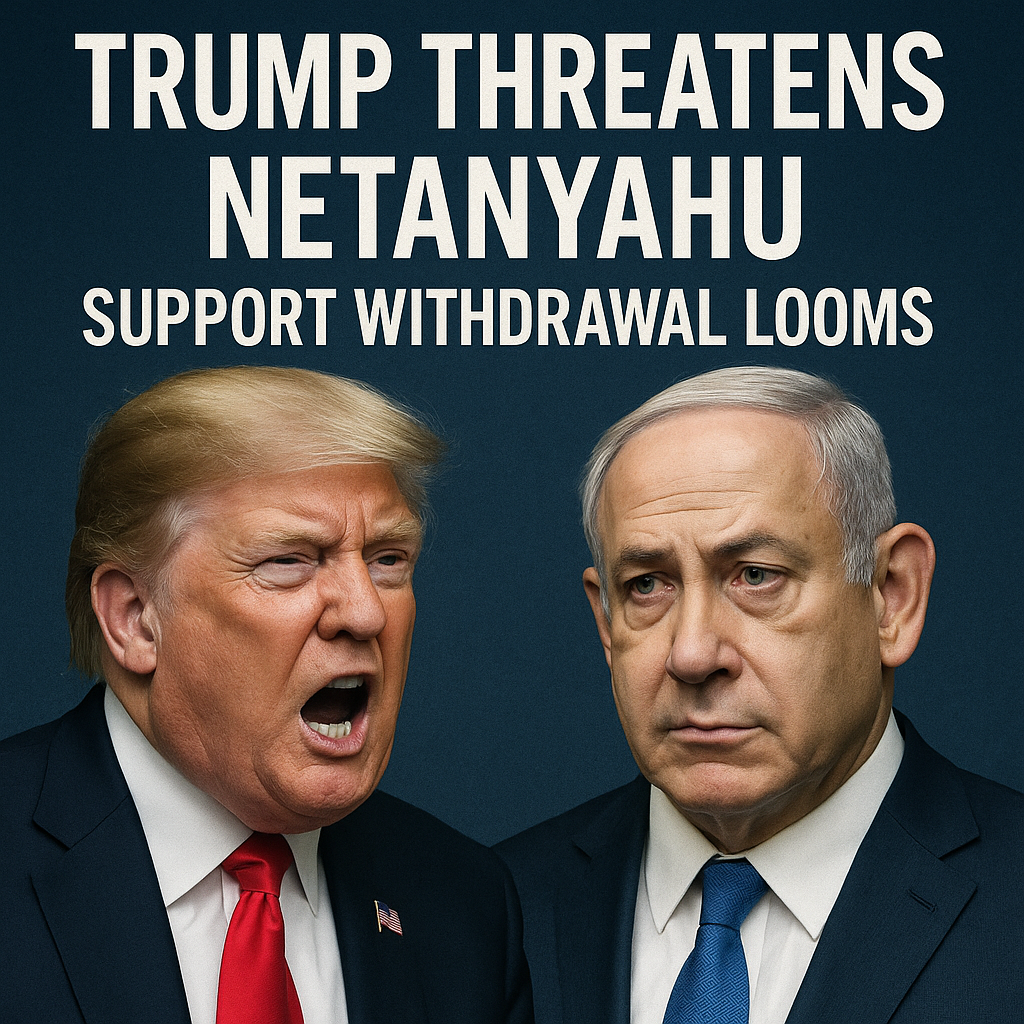
Former President Donald Trump has again made headlines with his recent comments regarding Israeli Prime Minister Benjamin Netanyahu and the future of U.S. support for Israel. This latest development comes against the backdrop of a contentious geopolitical landscape, particularly concerning Iran, and raises questions about the implications for U.S.-Israeli relations.

U.S.-Israeli Relations: A Fragile Alliance
Historically, the United States has been a steadfast ally of Israel, providing extensive military and economic support. However, the relationship has not been without its challenges. Trump’s recent remarks underscore a growing dissatisfaction with Netanyahu’s leadership, particularly his approach toward Iran. “If you mess with Israel, you’re going to have problems,” Trump stated, suggesting that without significant changes in policy, U.S. support could dwindle.


This statement has sparked a mix of reactions. Some analysts see it as a tactical move to reassert his influence within the Republican Party, positioning himself as a staunch advocate for Israel while also expressing discontent with Netanyahu’s recent decisions. Others view it as a signal that Trump is willing to leverage U.S. support to achieve concessions from the Israeli leadership.


Diverging Perspectives on Trump’s Influence
The unpredictability of Trump’s foreign policy is well-documented, with many experts debating potential outcomes. On one side, some argue that Trump’s threats could galvanize support for less stringent U.S. policies towards Iran. This perspective aligns with reports suggesting that Trump aims to shift Israel’s strategy to one that is more aggressive against Iranian influence in the region.
Conversely, others caution against such an approach, highlighting that a withdrawal of U.S. support could destabilize an already volatile situation in the Middle East. Critics argue that Trump’s statements could embolden both Iran and extremist groups, further complicating an already challenging diplomatic scenario. This concern is echoed by various commentators who emphasize the delicate balance that the current U.S. administration must maintain not just with Israel, but also with neighboring Arab states.
The Geopolitical Stakes
With Trump’s declarations emerging alongside a broader discussion on Iran’s nuclear ambitions, the stakes could not be higher. Analysts note that the nuclear negotiations with Iran are critical not only for Israel’s security but also for the stability of the Middle East as a whole. While Trump’s comments may resonate with some factions within Israel and the United States, they also risk alienating potential allies.
Reports indicate that while Netanyahu’s administration has faced scrutiny over its domestic policies, particularly concerning the Israeli-Palestinian conflict, Trump’s rhetoric could inadvertently draw attention away from these pressing issues. The focus shifts back to security threats rather than addressing the underlying socio-political problems that contribute to regional tensions.
Conclusion: Uncertainties Ahead
As Trump continues to make provocative statements regarding U.S. foreign policy, the ultimate implications for Israel remain uncertain. His threats to withdraw support seem to be both a political maneuver and a commentary on the broader U.S.-Israel relationship. Whether these statements will have a practical impact on U.S. foreign policy remains to be seen, but they certainly spotlight the complexities involved in navigating alliances in a tumultuous geopolitical landscape.
As the situation evolves, it is essential for stakeholders to remain vigilant. The balance of power in the Middle East hangs precariously on decisions made by leaders like Trump and Netanyahu, as well as international allies. The unfolding dynamics promise to be as unpredictable as the figures at the forefront of this ongoing narrative.