
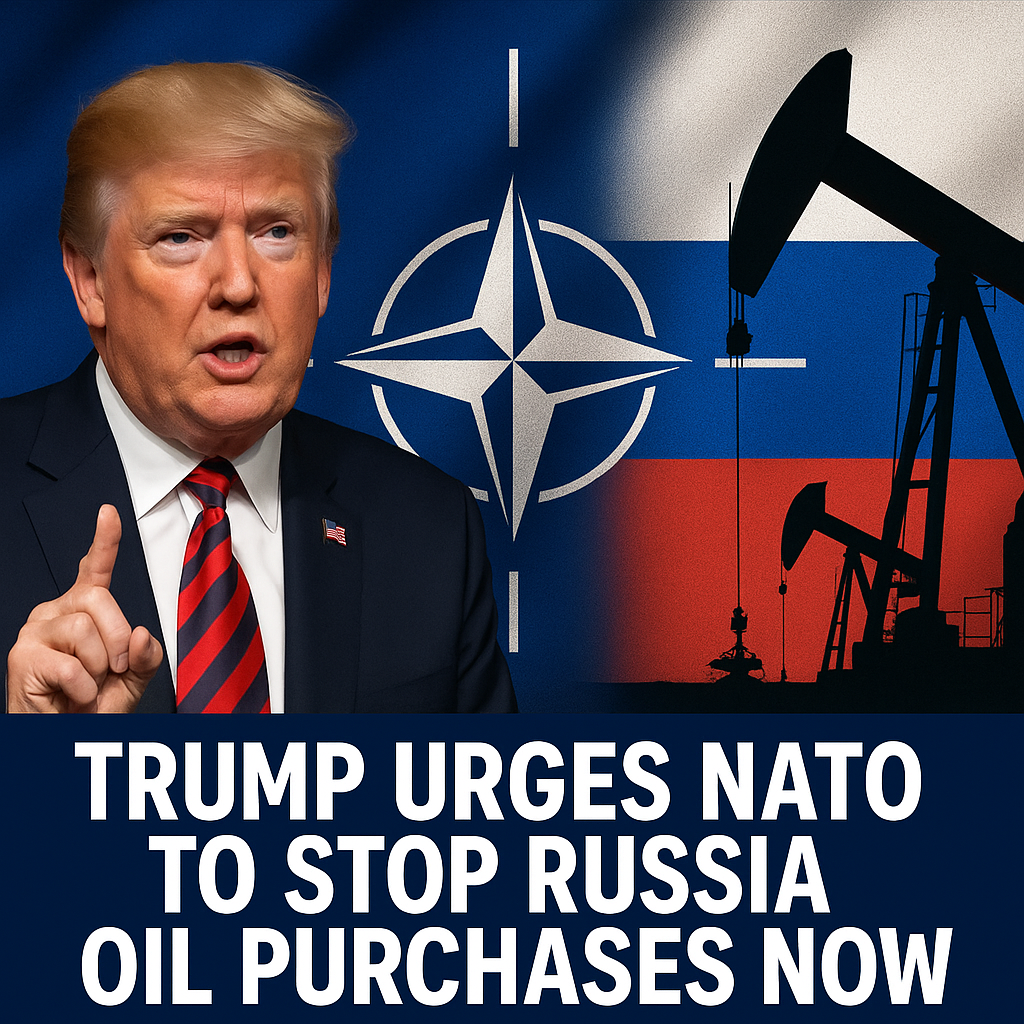
Trump Urges NATO to Stop Russia Oil Purchases Now

Trump Urges NATO to Halt Russia’s Oil Purchases
In an increasingly complex geopolitical landscape, Trump has called on NATO countries to promptly cease their oil purchases from Russia. This plea comes amid heightened tensions surrounding Russia’s actions in Ukraine, leading to a renewed focus on energy dependence and security throughout Europe.

The Context of the Call
Trump’s demand for NATO to stop buying Russian oil is not merely a matter of energy policy; it reflects broader concerns over national security and supporting Ukraine. After the Russian invasion, many countries faced dilemmas regarding their energy supplies. Europe, in particular, has historically relied heavily on Russian oil and gas, which has made it a focal point for discussions about sovereignty and economic independence.


In a statement, Trump criticized the ongoing energy transactions with Russia, underscoring that such purchases undermine international efforts to isolate Moscow economically. He posits that halting these purchases is essential before U.S. sanctions take effect, with the aim of strengthening collective action against Russian aggression. AI analyses from different sources emphasize that ceasing these transactions could serve as a critical lever in deterring further actions by Russia.


Diverse Reactions from NATO Members
While Trump’s viewpoint resonates with a faction of international leaders who advocate for stricter measures against Russia, reactions within NATO have been mixed. Some member states express concerns about the immediate consequences of such a ban. For instance, countries like Germany and Italy have indicated that their energy infrastructure is not currently equipped to handle a sudden cessation of Russian oil imports. This raises questions about how quickly NATO can pivot away from Russian energy dependency, highlighting the immediate economic risks it could pose.
Conversely, nations like Poland and the Baltic states have voiced strong support for Trump’s position, advocating for a swift and decisive energy independence strategy. They stress that the reliance on Russian energy compromises not only European security but also democratic values. This divergence in response reflects broader political landscapes within NATO, where energy security often tests the unity of member states against a backdrop of varying economic priorities and dependencies.
The Strategic Importance of Energy Independence
The strategic discussion surrounding energy independence goes beyond immediate geopolitical tensions; it delves into long-term energy strategies. As Europe considers alternatives to Russian oil, there is a burgeoning conversation around renewable energy and sustainability. Many experts argue that investing in green technologies not only lessens dependence on hostile nation-states but also aligns with global climate goals.
Numerous news outlets have articulated that the need to reduce dependency on Russian oil could accelerate the deployment of renewable energy sources across Europe. However, the transition is fraught with challenges. High initial costs, infrastructural overhauls, and the need for technological advancements in energy storage remain key hurdles that NATO countries must overcome.
Moreover, critics of a rushed ban on Russian oil highlight potential economic repercussions that could affect European citizens. Higher fuel prices and potential economic recession are real concerns that could arise from a sudden pivot away from Russian energy supplies. Hence, the urgency of Trump’s call is met with the caution of economic risk assessments from various analysts.
Conclusion: A Balancing Act
Trump’s urging for NATO to halt oil purchases from Russia is a complex issue that intertwines national security, economic stability, and global energy strategies. While there is a clear call for unity and decisive action against aggression, the diversity of responses within NATO underscores the complexities of energy dependence.
As member countries navigate their positions, it will be imperative for leaders to balance immediate energy needs with long-term strategic goals. This situation serves as a reminder of the intricate relationships between energy, security, and international diplomacy. How NATO collectively responds to this challenge may have lasting implications for its cohesion and the broader international order in the years to come.















