Trump Vows Response to Iran’s Downing of US Helicopter

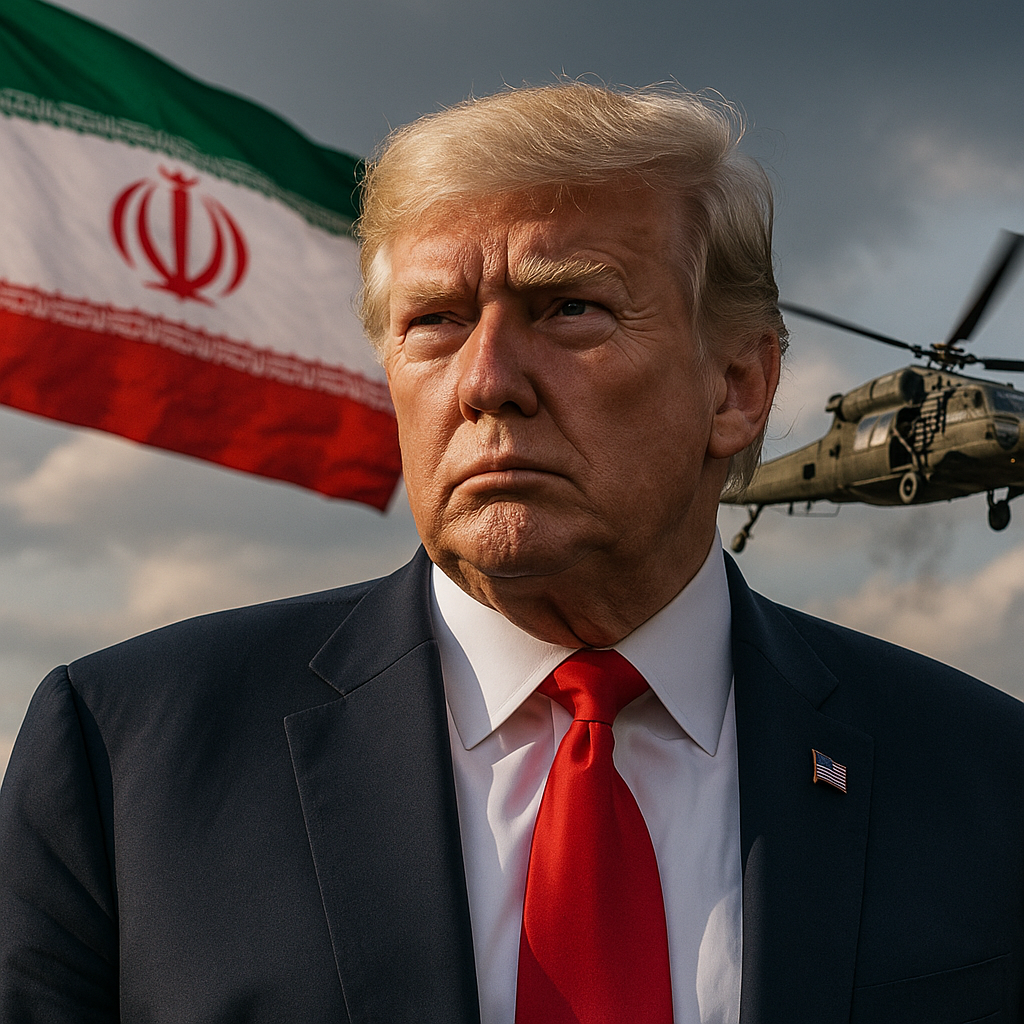
On June 9, 2026, former President Donald Trump publicly stated his commitment to respond to the recent incident involving Iran downing a U.S. helicopter over the Strait of Hormuz. This situation has escalated tensions in an already volatile region, pushing both domestic and international reactions into the spotlight.

Understanding the Incident
The helicopter incident, as reported by multiple sources, occurred amid heightened military activity in the Persian Gulf. Trump characterized the downing of the U.S. military asset as “an act of aggression” by Iran, an assertion that has been echoed by various government officials and analysts concerned about the implications for U.S.-Iran relations. Iran, on the other hand, has framed the action as a defensive measure, emphasizing its right to protect sovereign airspace.


While some observers argue that this incident could lead to a new conflict, others point out that it reflects a long-standing pattern of interactions between the U.S. and Iran, characterized by ongoing military posturing and rhetoric. Analysts highlight that the Strait of Hormuz is a critical maritime chokepoint, where a significant portion of the world’s oil supply passes, rendering any military incident particularly sensitive.


Trump’s Stance: A Call for Action
In his statements following the incident, Trump pledged a robust response, emphasizing the necessity of protecting U.S. assets and personnel. His comments included a warning that the U.S. would not “sit idly by” while Iranian forces threaten American interests. This type of rhetoric is consistent with Trump’s previous approaches to international relations, particularly when he utilized assertive language to project strength and resolve.
However, drawing insights from a variety of perspectives, one might discern a complex landscape of motivations behind Trump’s promises. Political analysts suggest that his response may also be influenced by domestic considerations, including upcoming elections and the need to rally support among his base. The narrative of strength against foreign aggression resonates well within American political discourse, particularly among conservative voters.
Conversely, experts from peace-focused organizations warn against jumping to military solutions, urging for diplomatic channels to be prioritized. They argue that escalating military action could lead to unintended repercussions, potentially igniting broader conflicts in the region. The contrasting viewpoints underline the spectrum of responses to the incident.
The Global Viewpoint: Reactions and Consequences
Beyond the U.S., global responses to the incident have been mixed. Some allies caution against any retaliatory measures that could destabilize the region further. Countries like the UK and France have urged for restraint, emphasizing that diplomacy should remain at the forefront of international efforts to manage tensions with Iran. The European perspective tends to stress the importance of maintaining negotiation channels open, even in the face of provocations.
In stark contrast, hardline factions within Iran have viewed the downing as a legitimate act and are calling for a stronger military response to any U.S. retaliation. This variability in response showcases the differing ideological perspectives within Iran itself, which complicates the narrative surrounding this incident.
While Trump’s vow to respond resonates with a segment of the U.S. populace that favors an assertive foreign policy, it also raises questions about the risks involved. Analysts argue that the unpredictability of military engagements can lead to broader regional destabilization, which could exacerbate rather than alleviate tensions.
Conclusion: Navigating Uncertainties
In conclusion, while Trump’s vow to respond to the downing of the U.S. helicopter reflects a traditional stance on defense and national pride, the multi-faceted nature of international relations necessitates a careful approach. Observers are left to weigh the evidence and sentiments surrounding the incident, recognizing that no straightforward solutions exist. As the U.S. grapples with how best to assert its interests and maintain stability in the Gulf, the complexities of global diplomacy remain evident.
The evolving narrative around this incident underlines the importance of maintaining open channels of communication. Rather than solely focusing on aggressive posturing, a balanced approach that incorporates diplomatic efforts may serve not just American interests, but also contribute to broader regional stability. As this situation unfolds, the world will be watching closely, uncertain of what the next steps may entail.