NATO Country Halts Arms Supply to Ukraine: What’s Next?

NATO Country Halts Arms Supply to Ukraine: What’s Next?

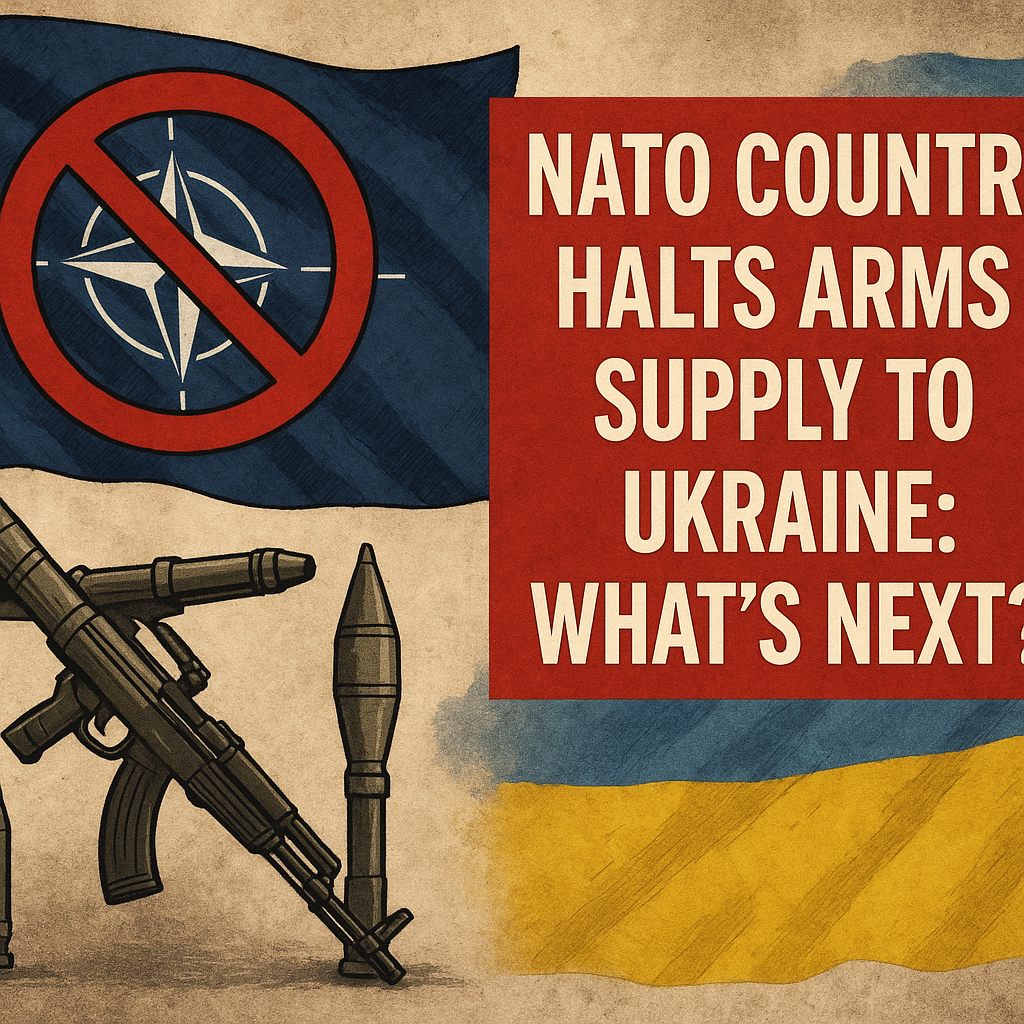
In a significant turn of events, Bulgaria has decided to suspend its military aid to Ukraine, marking a poignant moment in the ongoing conflict with Russia. This development comes amid escalating tensions in Eastern Europe and varying perspectives on military support within NATO member nations.


The Bulgarian Decision: Context and Implications
Bulgaria’s decision to halt arms shipments stems from a combination of domestic political factors and its ambivalent stance towards the Ukraine conflict. Following the recent parliamentary elections, the new government has signaled a desire to reevaluate its military assistance to Ukraine. Reports suggest that internal divisions among political parties regarding support for Ukraine have influenced this strategic shift.


While the previous government had been staunchly supportive of Ukraine in its battle against Russian aggression, the current administration appears more hesitant, prioritizing national concerns. Analysts have noted that Bulgaria’s decision may reflect broader wariness among some NATO countries regarding the extending military involvement in the conflict. As Bulgaria steps back, the question arises: what will this mean for Ukraine’s ability to sustain its defenses?
NATO’s Reactions: A Divided Alliance?
The NATO alliance has historically shown solidarity in supporting Ukraine. However, Bulgaria’s withdrawal from arms supply presents an increasingly complex dynamic within the coalition. Some member states, particularly in Eastern Europe, continue to advocate for robust military aid to Ukrainian forces, arguing that such support is essential for countering Russian expansionism. For instance, Poland and the Baltic states have expressed their unwavering commitment to assist Ukraine, despite any internal debates within their own governments.
Conversely, some nations within NATO share Bulgaria’s concerns about escalation. They argue that further arms shipments could provoke a stronger response from Russia, which might escalate tensions not only in Ukraine but throughout Europe. Critics of Ukraine’s military support, including parties within Bulgaria, warn that prolonged military engagement risks wider conflict and instability in the region.
Analyzing the Future Landscape for Ukraine
The immediate effect of Bulgaria’s halt in arms supply could be a short-term setback for Ukraine. However, experts caution against overestimating its impact on the broader military landscape. Ukraine has been supported by various other NATO countries, and a singular country’s withdrawal may not significantly undermine its military capabilities.
Nonetheless, the cessation of military aid from a NATO member can embolden adversarial forces. Military analysts suggest that such shifts can alter the strategic calculations of both Ukraine and its adversaries, potentially encouraging Russia to adopt a more aggressive stance.
Looking ahead, the situation raises critical questions: How will Ukraine fill the void left by Bulgaria? Will other NATO nations step in to maintain or even increase their military support? And what further political ramifications could Bulgaria face internally and within the NATO framework?
Conclusion: The Broader Implications
Bulgaria’s decision to halt arms shipments to Ukraine underscores the complexities of geopolitical alliances and the varied sentiment among NATO member states regarding military support for Ukraine. While some countries are committed to standing firm against Russian aggression, others are recalibrating their priorities based on domestic concerns.
As the conflict continues to evolve, it will be crucial for NATO to maintain cohesion and address internal divisions. The future of military assistance to Ukraine may depend not only on international diplomatic efforts but also on the ability of member states to navigate their own political landscapes.
As observers keenly watch the developments in this ongoing conflict, the consensus remains that the dynamics of warfare are ever-shifting. The withdrawal of support from any NATO ally could redefine strategies and outcomes that will ripple through the region for years to come.